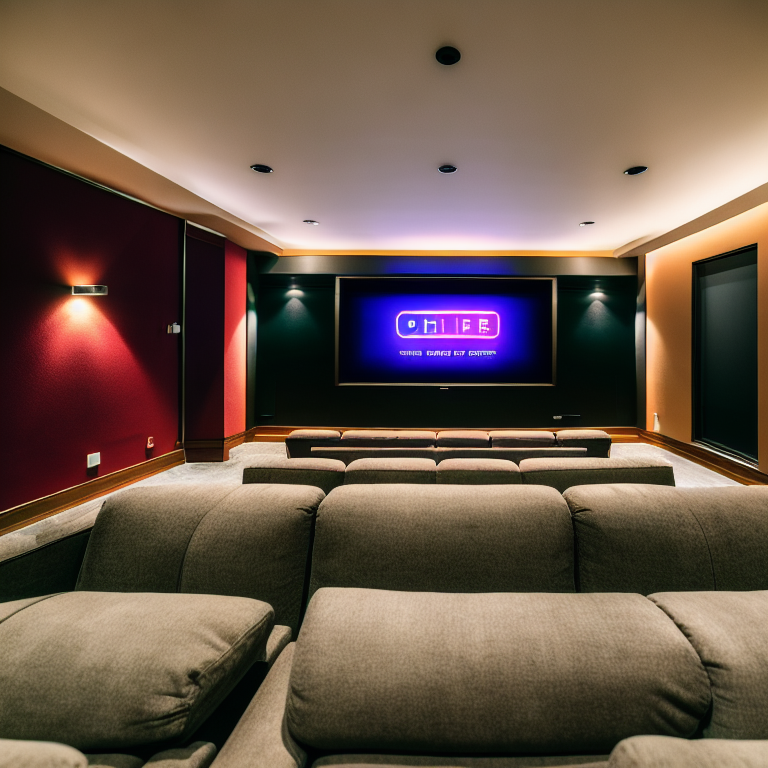
Movie theaters have been a big part of entertainment for over a hundred years. People would dress up, buy popcorn, and sit in dark rooms to watch stories on a giant screen. But now, things are changing fast. Streaming services like Netflix, Disney+, and HBO Max let people watch movies right at home, often on the same day they come out in theaters. This shift is making people wonder: Are movie theaters still worth the trip?
The answer is complicated. Some movies still draw huge crowds to theaters, like superhero films and animated features. But many other movies are being watched more on streaming platforms. This change affects not just moviegoers, but also filmmakers, studios, and theater owners. Let’s explore how streaming is reshaping the way we watch movies.
The Rise of Streaming Platforms
Streaming services have grown incredibly fast over the past decade. What started as a way to watch old TV shows and movies has turned into a massive industry that produces its own films and series. Platforms like Netflix, Amazon Prime Video, and Apple TV+ now create original movies that sometimes skip theaters entirely.
This shift happened for several reasons. First, technology improved. High-speed internet and smart TVs made it easy to stream high-quality video at home. Second, people’s habits changed. Many prefer the comfort and convenience of watching movies without leaving their house. Third, the COVID-19 pandemic accelerated this trend when theaters closed and studios released movies directly to streaming.
The impact is clear. In 2019, the global box office hit a record $42.5 billion. By 2020, it dropped to $12 billion, while streaming subscriptions soared. Even as theaters reopened, streaming remained popular. This doesn’t mean theaters are dying, but they face new competition that didn’t exist before.
Box Office Numbers Tell the Story
Looking at box office numbers shows how streaming affects movie attendance. Big blockbuster films still perform well in theaters. For example, movies like “Top Gun: Maverick” and “Spider-Man: No Way Home” broke records and proved that people will still go to theaters for the right experience. These films offer stunning visuals, sound, and a shared experience that’s hard to replicate at home.
However, mid-budget films and smaller productions struggle more. Many of these movies now premiere directly on streaming platforms instead of theaters. This change means fewer people are going to theaters for anything that isn’t a major event film. Studios have noticed this trend and are adjusting their strategies accordingly.
The data supports this shift. According to a report by the National Association of Theatre Owners, the number of wide-release films dropped by 20% between 2019 and 2022. Meanwhile, streaming platforms released thousands of new titles each year. This change in release patterns shows how the industry is adapting to new viewing habits.
How Studios Are Adapting
Movie studios are changing how they release films in response to streaming’s popularity. Many now use a “day-and-date” release strategy, where movies come out in theaters and on streaming platforms simultaneously. This approach gives audiences a choice while maximizing revenue from both channels.
Some studios have taken this even further. Warner Bros. announced that all its 2021 films would premiere on HBO Max the same day they hit theaters. Disney has used a hybrid model, releasing some films exclusively in theaters while putting others on Disney+ for an additional fee. These strategies reflect the reality that audiences have more options than ever before.
This adaptation isn’t just about release dates. Studios are also investing heavily in streaming content. Netflix spends billions annually on original films, while traditional studios have launched their own streaming services. This investment shows that the future of entertainment includes both theaters and streaming platforms working together.
The Theater Experience Still Matters
Despite streaming’s growth, the theater experience remains special for many people. There’s something unique about watching a movie on a massive screen with surround sound and a crowd of excited viewers. This experience is particularly important for certain types of films.
Action movies, horror films, and comedies often benefit from the theatrical setting. The big screen makes action sequences more thrilling, horror movies scarier, and comedies funnier when everyone laughs together. Some filmmakers still design their movies specifically for theatrical viewing, knowing that the impact would be reduced on smaller screens.
Theaters are also evolving to stay relevant. Many now offer luxury seating, expanded food menus, and even bars. Some theaters host special events like director Q&As or themed marathons. These enhancements aim to give people reasons to leave home and enjoy movies in a communal setting.
Impact on Independent Films
Independent films have been particularly affected by the rise of streaming. These smaller productions often struggle to get theater distribution because they can’t compete with big-budget marketing campaigns. Streaming platforms have become a crucial lifeline for indie filmmakers.
Services like Netflix, Hulu, and Amazon Prime have acquired and produced numerous independent films. This access has helped indie movies reach wider audiences than they might have in traditional theaters. Some filmmakers now design their projects with streaming in mind, knowing they’ll likely premiere on these platforms.
This shift has both advantages and disadvantages. On one hand, more people can discover indie films through streaming recommendations. On the other hand, these movies might lose the prestige and festival exposure that theatrical releases provide. The industry is still figuring out the best balance for independent cinema.
Changes in Movie-Watching Habits
People’s movie-watching habits have changed significantly with streaming. Many now prefer to watch movies at their own pace, pausing when needed and watching in multiple sittings. This flexibility is something theaters can’t offer, and it appeals to busy viewers.
Binge-watching has also influenced how people consume films. While this term usually applies to TV series, some viewers now treat movie franchises like the Marvel Cinematic Universe as extended stories to watch over time. Streaming makes this easier by keeping entire film libraries available.
Social viewing has also evolved. While theaters offer a shared experience, streaming platforms have introduced features like Netflix Party that let friends watch together remotely. These digital alternatives provide a different kind of social experience that appeals to younger audiences.
Economic Effects on the Industry
The shift to streaming has significant economic implications for the entertainment industry. Movie theaters traditionally made most of their money from ticket sales and concessions. With fewer people attending, many theaters have struggled financially, leading to closures and bankruptcies.
Studios face different economic calculations. While theatrical releases can generate massive opening weekends, streaming provides more predictable and steady revenue through subscriptions. Some analysts suggest that streaming might be more profitable in the long run, even if individual films earn less.
This economic shift affects everyone in the industry. Actors, directors, and crew members might see changes in how they’re paid, with some deals now including bonuses based on streaming performance. The entire business model of entertainment is evolving as streaming becomes more dominant.
What the Future Holds
The future of movie watching will likely include both theaters and streaming, but the balance between them is still being determined. Some predict that theaters will become more like event spaces, hosting only the biggest films and special experiences. Others believe that technological advances like virtual reality could create new types of theatrical experiences.
Studios are experimenting with different release windows. Some films might have exclusive theatrical runs for a few weeks before streaming, while others might go straight to digital. The ideal strategy probably varies by film type, audience, and market conditions.
What seems clear is that streaming is here to stay, and theaters must adapt to coexist with it. The most successful companies will likely be those that can leverage both distribution methods effectively, giving audiences choices while maintaining the magic of the theatrical experience.
Frequently Asked Questions (FAQ)
#### Will movie theaters disappear completely?
Movie theaters are unlikely to disappear entirely, but they may change significantly. Major event films will probably continue to draw crowds, while smaller theaters might focus on niche audiences or special experiences. The industry is evolving rather than disappearing.
#### Are streaming movies as good as theatrical releases?
The quality of streaming movies varies widely, just like theatrical releases. Some streaming originals have won major awards and feature top talent. The main difference is often the viewing experience rather than the content quality itself.
#### How has streaming affected movie budgets?
Streaming has influenced movie budgets in several ways. Some films now have larger budgets because streaming platforms are willing to invest heavily in original content. However, mid-budget theatrical films have decreased, with many of these projects moving to streaming instead.
#### Do filmmakers prefer theaters or streaming?
Different filmmakers have different preferences based on their goals. Some value the prestige and communal experience of theatrical releases, while others appreciate the creative freedom and guaranteed audience that streaming provides. Many now work across both platforms.
#### How do streaming releases affect box office reporting?
Streaming releases have complicated traditional box office reporting. Since streaming viewership numbers aren’t always public, it’s harder to compare a streaming film’s success with a theatrical release. The industry is developing new metrics to measure success across platforms.
#### Will streaming make movies cheaper to watch?
Streaming typically offers better value for frequent movie watchers through monthly subscriptions. However, some streaming releases still charge premium prices, and subscribing to multiple services can add up. The cost structure is different but not necessarily cheaper overall.
Conclusion
Streaming services have fundamentally changed how we watch movies, creating both challenges and opportunities for the entertainment industry. While theaters remain important for certain types of films and experiences, streaming has given audiences more choices and flexibility than ever before. The future likely includes both platforms working together, with each serving different needs and preferences. As technology and viewing habits continue to evolve, the movie industry will keep adapting to ensure that great stories reach audiences wherever they prefer to watch them.
###CONTENT_END
Leave a Reply