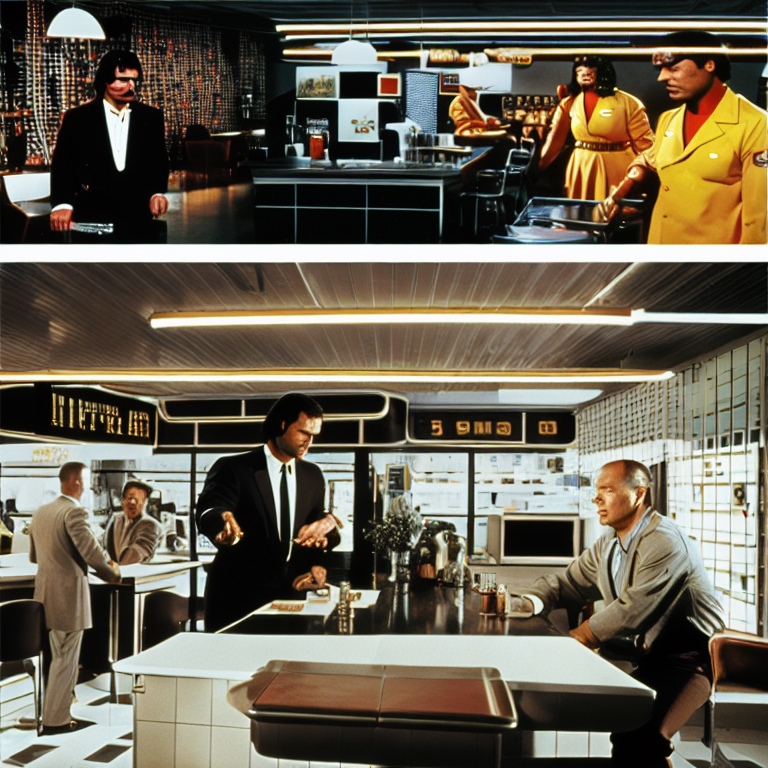
Have you ever watched a movie where the scenes seem all mixed up, yet somehow it works perfectly? That’s exactly what happens in Pulp Fiction, the 1994 crime film that changed how movies tell stories. The editing in this movie isn’t just about cutting scenes together – it’s a clever puzzle that keeps you guessing and watching closely.
When Pulp Fiction hit theaters, people couldn’t stop talking about how different it felt. The story jumps around in time, characters pop up in unexpected places, and scenes that seem unrelated suddenly connect in surprising ways. But why does this work so well? Let’s dive into the editing tricks that make this movie so addictive to watch.
The Non-Linear Timeline Magic
One of the most famous editing tricks in Pulp Fiction is its scrambled timeline. Instead of telling the story from beginning to end, the movie jumps between different moments in time. You might see the ending of a story before you see the beginning, then jump to the middle of another story.
This technique works because it creates mystery. When you see Jules and Vincent alive after their famous “divine intervention” scene, you’re left wondering how they got there. The editing makes you pay attention to every detail, trying to piece together when each scene happens. It’s like solving a puzzle while watching the movie.
The non-linear structure also lets the movie explore themes in interesting ways. By showing consequences before causes, the film makes you think about fate, choices, and how actions connect across different stories. This isn’t just random scrambling – every jump in time serves a purpose.
Cross-Cutting Between Stories
Another clever trick is how the movie cuts between different storylines. While one story is happening with Vincent and Mia, the movie might suddenly cut to Butch’s story or Jules and Vincent’s morning routine. These cuts aren’t random – they often happen at moments of tension or important decisions.
The cross-cutting creates a rhythm that keeps you engaged. Just when one story gets intense, you’re pulled into another one. This prevents any single storyline from becoming boring and maintains a constant sense of energy throughout the movie. It’s like channel surfing between the most interesting parts of different shows.
Sometimes the cross-cutting reveals connections between stories that you didn’t expect. A character from one storyline might appear briefly in another, or an object might show up in multiple places. These connections reward careful viewing and make the movie feel like a complete world rather than separate stories.
The Power of Dialogue Scenes
Pulp Fiction is famous for its long, dialogue-heavy scenes, and the editing plays a crucial role in making these work. Instead of quick cuts between speakers, many scenes use long takes that let conversations unfold naturally. This gives the dialogue room to breathe and lets the actors’ performances shine.
However, when cuts do happen in dialogue scenes, they’re often meaningful. A cut might emphasize a character’s reaction, highlight an important object, or create a sudden shift in mood. The editing in these scenes is subtle but powerful, guiding your attention without being obvious about it.
The movie also uses editing to create tension in dialogue scenes. A character might be talking casually while the editing suggests something dangerous is about to happen. This contrast between what characters say and what the editing shows creates suspense that keeps you on edge.
Freeze Frames and Chapter Breaks
Throughout Pulp Fiction, you’ll notice freeze frames and title cards that divide the movie into chapters. These aren’t just stylistic choices – they’re editing tools that help organize the non-linear story. Each chapter title gives you a clue about what’s coming and helps you understand where you are in the timeline.
The freeze frames often happen at moments of decision or revelation. When a character realizes something important or makes a choice that will change everything, the movie might freeze on their face. This gives you time to process what’s happening and emphasizes the importance of that moment.
These chapter breaks also give the movie a novel-like quality. Instead of feeling like one continuous story, Pulp Fiction feels like a collection of connected short stories. The editing helps create this structure while maintaining the flow between different parts of the narrative.
Sound Design and Music Editing
The editing in Pulp Fiction isn’t just about visuals – the sound design and music play a huge role too. Songs are edited to start and stop at precise moments that match the action on screen. A song might begin exactly when a character enters a room or cut off suddenly during a tense moment.
The sound editing also helps connect different scenes and storylines. You might hear a sound from one scene continue into the next, creating a bridge between different parts of the story. This technique makes the movie feel cohesive even when the timeline is scrambled.
Music choices are carefully edited to enhance the mood of each scene. Upbeat songs might play during violent moments, creating an unsettling contrast. The editing of sound and music works together with the visual editing to create the movie’s unique tone.
The Opening and Closing Circle
One of the most brilliant editing choices in Pulp Fiction is how it circles back to its beginning. The movie opens and closes with the same scene – a conversation in a diner that takes on completely different meaning the second time you see it. This circular structure is only possible because of careful editing.
When you watch the opening scene again at the end, you notice details you missed the first time. The editing makes you realize how much has changed for the characters and how their choices have led them back to this moment. It’s a satisfying payoff that rewards watching the entire movie.
This circular structure also reinforces the movie’s themes about fate and choices. The same moment can have different meanings depending on what comes before and after it. The editing makes you think about how time and perspective change our understanding of events.
Creating Tension Through Editing
Pulp Fiction uses editing to build tension in unique ways. Instead of showing you everything that’s happening, the movie might cut away at crucial moments or show only part of a scene. This leaves you to imagine what’s happening, which can be more suspenseful than actually seeing it.
The editing also controls the pace of tense moments. A scene might start with long, slow takes that build anticipation, then switch to quick cuts during action. This variation in editing rhythm keeps you engaged and makes the tension feel more real.
Sometimes the editing creates tension by showing you information that characters don’t have. You might see something dangerous approaching while a character remains unaware, creating dramatic irony that makes the scene more intense.
The Importance of Reaction Shots
Reaction shots are a key part of Pulp Fiction’s editing style. When something important happens, the movie often cuts to show how different characters react. These shots might seem simple, but they’re crucial for understanding character relationships and emotional beats.
The timing of reaction shots is carefully planned. A cut to a character’s face at the right moment can convey volumes about what they’re thinking or feeling. These shots also help you understand the relationships between characters by showing how they respond to each other.
Reaction shots in Pulp Fiction often reveal more than dialogue does. A character might say one thing while their face shows something completely different. The editing makes sure you see these contradictions, adding layers of meaning to every scene.
Frequently Asked Questions (FAQ)
Why does Pulp Fiction tell its story out of order?
The non-linear structure serves multiple purposes. It creates mystery and engagement by making viewers piece together the timeline. It also allows the movie to explore themes of fate and consequence in interesting ways, showing how different characters’ stories intersect across time.
How did the editing affect Pulp Fiction’s success?
The innovative editing was crucial to the film’s impact. It made the movie feel fresh and different from anything else at the time. The editing style also encouraged repeat viewings, as audiences wanted to watch again to catch connections they missed the first time.
What editing software was used for Pulp Fiction?
Pulp Fiction was edited using traditional film editing techniques on a Steenbeck flatbed editor. This hands-on approach allowed the editors to physically cut and arrange the film reels, which influenced the movie’s unique pacing and structure.
How long did the editing process take?
The editing process for Pulp Fiction took several months, with director Quentin Tarantino and editor Sally Menke working closely to perfect the film’s rhythm and structure. They experimented with different arrangements of scenes before settling on the final non-linear format.
What makes the dialogue scenes work so well?
The success of dialogue scenes comes from a combination of factors: long takes that let conversations breathe, strategic cuts that emphasize important moments, and careful attention to pacing. The editing ensures that even long conversations maintain viewer interest.
How does the editing contribute to the movie’s humor?
Much of Pulp Fiction’s humor comes from editing choices that create contrast or emphasize awkward moments. Quick cuts between serious and ridiculous situations, or holding on a character’s confused reaction, often generate the biggest laughs.
Conclusion
The editing tricks in Pulp Fiction aren’t just technical achievements – they’re essential to why the movie works so well. From the scrambled timeline to the careful use of reaction shots, every editing choice serves the story and themes. The movie proves that editing isn’t just about cutting scenes together; it’s about creating meaning and emotion.
What makes these editing tricks so effective is how invisible they are. You might not notice them while watching, but they shape your entire experience of the film. The next time you watch Pulp Fiction, pay attention to the editing. You’ll discover new layers of meaning and appreciate how much craft went into making this modern classic.
The influence of Pulp Fiction’s editing can be seen in countless movies that followed. Its success showed filmmakers that audiences are ready for more complex storytelling structures. But few movies have matched the perfect balance of innovation and entertainment that Pulp Fiction achieves through its clever editing.
Leave a Reply