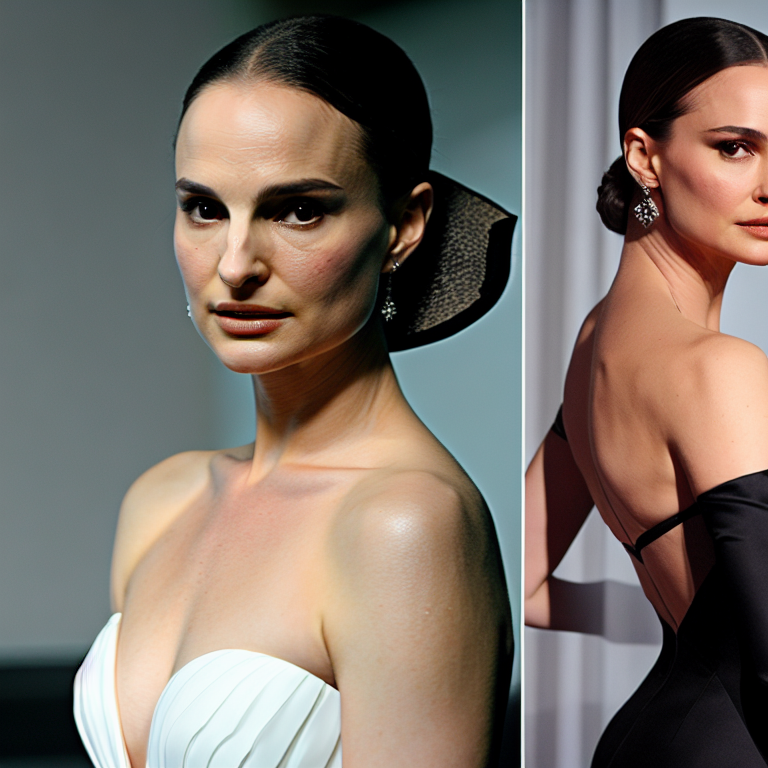
When you watch Black Swan, you might notice the stunning costumes designed by Rodarte, but there’s something much deeper happening with Nina Sayers’ wardrobe than just pretty tutus. Every piece of clothing she wears tells us exactly where she is on her journey from fragile ballerina to someone completely losing touch with reality. These costume changes are like a secret language that reveals her mental state without anyone having to say a word.
The genius of the costume design lies in how subtle these changes are. At first glance, you might think Nina’s wearing the same practice clothes throughout the movie, but if you look closer, you’ll see her outfits slowly shift in color, fit, and style as her grip on reality loosens. This is similar to how Parasite uses vertical space to show class divide, but instead of physical space, Black Swan uses clothing to map psychological territory.
Let’s start with Nina’s early costumes. In the beginning, she wears soft pink sweaters, white leotards, and delicate wrap skirts. These colors and fabrics scream innocence and purity. She looks like a child playing dress-up in her mother’s dance clothes. Her mother still treats her like a little girl, picking out her clothes and hanging them on a miniature rack in her bedroom. This wardrobe choice tells us that Nina hasn’t really grown up yet, she’s stuck in this state of perpetual childhood, which makes her eventual breakdown even more tragic.
As the pressure of becoming the Swan Queen mounts, her costumes begin to change. The soft pinks give way to pale grays and muted tones. Her practice clothes start to fit differently – they become tighter, more revealing. This isn’t just about the physical transformation she’s undergoing for the role; it’s about her psychological walls coming down. She’s being forced to confront parts of herself she’s kept hidden away, and her clothes start reflecting that internal struggle.
The most fascinating costume progression happens with her street clothes. Early in the film, Nina wears buttoned-up cardigans and conservative dresses that could belong to a teenager or even a child. But as she spends more time with Lily and starts exploring her darker impulses, her clothing becomes more adult and provocative. She starts wearing low-cut tops, tighter jeans, and even begins to experiment with makeup. These changes happen so gradually that most viewers don’t even notice them consciously, but they’re working on your brain the whole time.
One of the most telling costume moments happens during the club scene. Nina wears a black dress that’s completely unlike anything she’s worn before. It’s tight, sexy, and makes her look like a completely different person. This outfit represents her first real step into her “Black Swan” persona outside of the ballet studio. She’s trying on this new identity like it’s a costume, but she doesn’t quite know how to wear it yet. She’s uncomfortable and awkward, just like someone trying on clothes that don’t quite fit.
The transformation becomes even more apparent when you compare her costumes to Lily’s. Lily’s wardrobe is bold and confident from the start – leather jackets, low-cut tops, and edgy accessories. She’s comfortable in her own skin, while Nina is constantly trying to cover herself up. As Nina becomes more comfortable with her dark side, her clothing starts to mirror Lily’s style more closely. This visual parallel suggests that Nina is literally trying to become Lily, or at least the version of herself that she sees in Lily.
During the rehearsal scenes, pay attention to how Nina’s practice clothes change. Early on, she wears full-length tights and long-sleeve leotards that cover her completely. But as she embraces her sensuality for the Black Swan role, her practice outfits become more revealing. She switches to cut-off shorts and tank tops that show more skin. This isn’t just about comfort or practicality – it’s about her becoming more comfortable in her own body and with her own desires.
The color palette of Nina’s costumes follows a clear progression throughout the film. She starts in whites and pinks, moves through grays and beiges, and eventually ends up in blacks and deep reds. This color journey mirrors her psychological journey from innocence to experience, from repression to expression. The final act of the film sees her wearing almost entirely black, symbolizing that she’s fully embraced her dark side – for better or worse.
Even her dance costumes tell this story. The White Swan costume is all ethereal layers and soft fabrics, while the Black Swan costume is sleek, sharp, and slightly dangerous-looking. The transformation between these two costumes on stage mirrors the transformation Nina undergoes throughout the entire film. When she finally performs the Black Swan perfectly, her costume is complete – she’s become the character both physically and mentally.
The attention to detail in these costume changes is remarkable. Small things like the length of her sleeves, the neckline of her shirts, or the color of her tights all contribute to telling Nina’s story. It’s a masterclass in how costume design can be used not just for aesthetics, but as a storytelling tool that works on a subconscious level.
This approach to costume design is similar to how Mad Max: Fury Road uses color to tell the story, but instead of painting entire landscapes, Black Swan paints its main character in subtle shades of transformation. Every piece of clothing is carefully chosen to reflect where Nina is in her journey, creating a visual map of her descent into madness that most viewers only notice on a subconscious level.
The final costume moment in the film is particularly powerful. After she’s injured herself and knows she might never dance again, Nina is still wearing her Black Swan costume. This final image tells us that she’s become the Black Swan completely – it’s no longer just a role she’s playing, it’s who she is. The costume has become her skin, and there’s no going back to who she was before.
What makes this costume work so effective is that it’s never flashy or obvious. Unlike some films that use costume changes as major plot points, Black Swan lets these transformations happen quietly in the background. You might not even notice them while you’re watching, but they’re working on your brain the whole time, telling you Nina’s story through fabric and color instead of dialogue.
This subtle approach to costume storytelling is part of what makes Black Swan such a rich film to analyze. Every time you watch it, you notice new details in the costumes that reveal more about Nina’s psychological state. It’s like peeling back layers of an onion – each viewing reveals another level of meaning in what she’s wearing and why.
The costume design in Black Swan is a perfect example of how every element of filmmaking can work together to tell a deeper story. Just like how editing tricks in Pulp Fiction keep you hooked by playing with time and perspective, the costumes in Black Swan keep you engaged by visually tracking a character’s mental breakdown without ever having to explain it directly.
If you pay close attention to Nina’s costumes throughout the film, you’ll see her entire psychological journey laid out in fabric and color. From the innocent pink sweaters of her early scenes to the dark, dangerous black of her final performance, every piece of clothing tells us exactly where she is on her path to becoming – and being consumed by – the Black Swan.
Leave a Reply