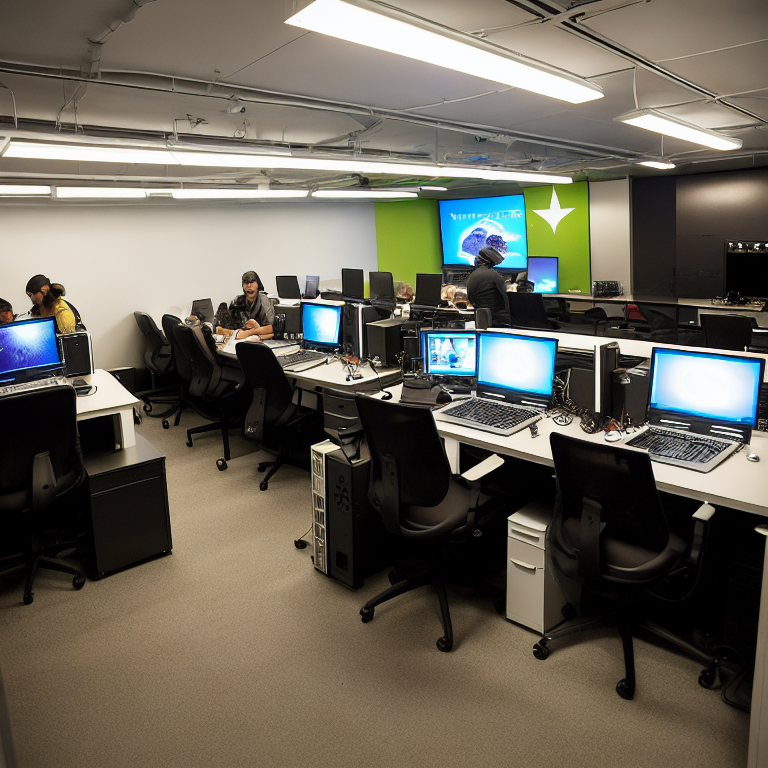
Imagine spending months perfecting a single explosion for a blockbuster movie, only to find out your studio might close before you get paid. That’s the reality many visual effects artists face today. These are the people who create the dragons in Game of Thrones, the superheroes in Marvel films, and the entire world of Avatar. Yet despite their massive contribution to modern cinema, VFX artists often work in conditions that would shock most moviegoers.
The visual effects industry has grown from a small specialty to a massive global business worth billions. But while movie studios make record profits, the artists who create these digital wonders often struggle with unpaid overtime, unrealistic deadlines, and job insecurity. It’s like building a beautiful house but never getting to live in it.
VFX artists are fighting back, demanding better treatment, fair pay, and more stable working conditions. Their struggle highlights a bigger problem in the entertainment industry where the people behind the scenes often bear the brunt of production pressures while studios and directors get most of the credit and profits.
The Hidden World of VFX Labor
Behind every stunning visual effect is a team of artists working hundreds of hours to make it perfect. These artists often work 60-80 hour weeks during crunch periods, sacrificing their health and personal lives to meet impossible deadlines. The work requires incredible skill and attention to detail, yet many VFX artists earn less than their counterparts in other tech fields despite having similar or even more specialized skills.
The pressure to deliver perfect effects on tight schedules creates a toxic cycle. Artists rush to complete shots, which leads to mistakes that require even more work to fix. This creates a constant state of emergency where normal work-life balance becomes impossible. Some artists report working for days without sleep to finish crucial shots for film premieres.
Many VFX studios operate on razor-thin margins, competing fiercely for contracts by underbidding each other. This creates a race to the bottom where studios promise more than they can deliver, then push their artists to make up the difference. The result is a system that burns out talented artists and drives many to leave the industry entirely.
How Streaming Changed Everything
The rise of streaming platforms has dramatically increased demand for visual effects. Where movies used to need a few hundred VFX shots, now even TV shows require thousands. This explosion in demand has created more jobs but also more pressure. Artists who once worked on one or two major projects per year now juggle multiple productions simultaneously.
Streaming services often demand faster turnaround times than traditional film releases. What used to take months must now be completed in weeks or even days. This accelerated pace leaves no room for the careful planning and testing that produces the best visual effects. Artists report that quality suffers as they’re forced to prioritize speed over craftsmanship.
The subscription model of streaming services also creates unique financial pressures. Unlike theatrical releases where studios get large upfront payments, streaming revenue trickles in slowly. This makes it harder for VFX studios to maintain stable workforces and invest in the tools and training their artists need.
The Global Competition Problem
VFX work has become a global competition where studios in different countries undercut each other for contracts. A studio in one country might offer to do the same work for half the price of a studio in another country. While this might seem good for movie studios’ bottom lines, it creates an unsustainable situation where no one can make a decent profit.
This global race to the bottom means that artists in countries with stronger labor protections often lose work to countries with weaker protections. VFX artists in the United States and Europe find themselves competing with artists in countries where overtime pay isn’t required and working conditions are even worse. It’s like asking Olympic athletes to compete while some have to run uphill.
The situation has gotten so bad that some VFX studios have gone bankrupt even while working on successful films. Rhythm & Hues, the studio behind the Oscar-winning visual effects for Life of Pi, declared bankruptcy just days before winning the Academy Award for their work. Their artists were left unpaid while the film grossed over $600 million worldwide.
What Artists Are Demanding
VFX artists aren’t asking for luxury treatment – they want basic workplace protections that other industries take for granted. They’re fighting for reasonable working hours, paid overtime, health benefits, and job security. Some are pushing for union representation to collectively bargain for better conditions, similar to how writers and actors have organized.
The movement for better conditions has gained momentum through social media and industry events. Artists share stories of abuse and exploitation, creating solidarity across studios and countries. This collective action has already achieved some victories, with major studios like Marvel agreeing to improve working conditions on their productions.
Artists are also pushing for more transparency in the bidding and contract process. They want studios to be honest about what work is possible within a given timeframe and budget. This would prevent the bait-and-switch tactics where artists are promised one schedule but given another that requires massive overtime.
The Cost of Cutting Corners
When VFX studios cut corners on artist welfare, the quality of the work often suffers. Rushed effects look obvious and take viewers out of the story. Remember the infamous “cats” in the 2019 film Cats, or the questionable CGI in some recent superhero films? These problems often stem from artists being pushed too hard with too little time.
Poor working conditions also drive away talented artists who burn out or find better opportunities in other fields. This creates a brain drain where the most experienced artists leave, taking their knowledge with them. Studios then have to train new artists who need time to develop their skills, creating a cycle of inexperience and rushed work.
The financial cost of high turnover and constant retraining is enormous. Studies show that replacing a skilled VFX artist can cost 50-200% of their annual salary when you factor in recruitment, training, and lost productivity. This money would be better spent on fair wages and reasonable working conditions that keep talented artists in the industry.
How This Affects the Movies You Watch
The VFX labor crisis affects every moviegoer, even if you don’t realize it. When artists are overworked and underpaid, the quality of visual effects suffers. Those spectacular action sequences and magical worlds lose their magic when you can spot the CGI seams. The emotional impact of a scene depends on believing in the world the filmmakers create.
The instability in the VFX industry also limits creativity. When studios are afraid to take risks because they can’t guarantee they’ll find reliable VFX partners, they stick to safe, formulaic approaches. This is why so many modern blockbusters look similar – the pressure to deliver quickly pushes everyone toward proven techniques rather than innovative solutions.
Moviegoers are becoming more aware of these issues and some are choosing to support films made under better conditions. Just as people care about fair trade coffee or ethically sourced clothing, there’s growing interest in entertainment created by fairly treated workers. This consumer awareness could help drive positive change in the industry.
The Path Forward for VFX Artists
Some progress is being made as more VFX artists organize and speak out. The International Alliance of Theatrical Stage Employees (IATSE) has expanded its efforts to include VFX workers, bringing decades of experience in entertainment labor organizing. Several major VFX studios have also voluntarily adopted better practices after public pressure.
Technology might also help solve some problems. New software tools can automate repetitive tasks, allowing artists to focus on creative work rather than technical busywork. Cloud-based collaboration tools can help distribute work more evenly and reduce the need for massive crunch periods. However, technology alone won’t fix the underlying issues of fair pay and reasonable schedules.
The most promising solutions involve changing how the entire industry approaches VFX work. This means realistic budgeting that accounts for the true cost of quality effects, longer production schedules that don’t rely on crunch time, and treating VFX artists as essential creative collaborators rather than just technical workers.
The Bigger Picture of Entertainment Labor
The VFX artists’ fight is part of a larger movement for better conditions across the entertainment industry. Writers, actors, and crew members are all pushing back against the intense pressures of modern content production. The COVID-19 pandemic accelerated many of these problems as studios rushed to produce content while dealing with new safety restrictions.
Streaming services promised creative freedom and new opportunities, but often delivered the opposite – tighter budgets, faster schedules, and less job security. This has created a perfect storm where talented people are leaving the industry entirely, unable to sustain the unsustainable pace. The result is a talent shortage that could eventually force the industry to change.
Consumers are increasingly aware of these labor issues and some are voting with their wallets. Just as people support fair trade products or ethically sourced clothing, there’s growing interest in entertainment created under fair working conditions. This consumer awareness could help drive positive change throughout the industry.
What You Can Do to Help
Moviegoers can support VFX artists by being aware of working conditions when choosing what to watch. Follow industry news and support films and studios known for treating their artists well. Share information about labor issues on social media to raise awareness among your friends and family.
When watching behind-the-scenes features or director commentaries, pay attention to how much credit and attention goes to the VFX artists versus other crew members. The lack of recognition for these crucial contributors is part of the problem. Supporting industry awards and recognition for VFX work also helps highlight the importance of these artists.
Consider supporting organizations that advocate for better working conditions in the entertainment industry. Groups like Animation Guild, VFX Union, and IATSE work to improve conditions for all entertainment workers, including VFX artists. Even small donations or sharing their campaigns can help amplify their message.
Frequently Asked Questions (FAQ)
Q: Why don’t VFX artists just get jobs in other tech fields that pay better?
A: Many VFX artists have a passion for filmmaking and storytelling that other tech jobs can’t provide. They often have specialized skills in art and animation that don’t directly transfer to other tech roles. Additionally, the collaborative nature of film work and seeing their creations on screen provides unique satisfaction that other jobs lack.
Q: How much do VFX artists typically work during crunch periods?
A: During crunch periods, VFX artists often work 60-80 hours per week, with some reporting 100-hour weeks. These intense periods can last for months, especially on major productions. Some artists report working for days without sleep to meet deadlines, which is both dangerous and unsustainable.
Q: Are there any successful VFX studios that treat their artists well?
A: Yes, some studios have built reputations for better working conditions. Companies like Industrial Light & Magic, Weta Digital, and Framestore are known for more stable employment and better benefits. However, even these studios face pressure from clients to cut costs and accelerate schedules.
Q: How does the VFX labor situation compare to other entertainment industry jobs?
A: VFX artists often face worse conditions than many other entertainment workers. While writers and actors have strong unions that protect their interests, VFX artists have historically lacked collective bargaining power. This has left them more vulnerable to exploitation and unstable working conditions.
Q: What impact does poor VFX working conditions have on movie quality?
A: Rushed and overworked artists often produce lower quality effects. This can result in obvious CGI, inconsistent visual elements, and effects that don’t integrate well with live-action footage. The best visual effects come from artists who have time to perfect their work, not those working under extreme pressure.
Q: Are there any recent films that have been criticized for poor VFX due to labor issues?
A: Several recent films have faced criticism for subpar visual effects, including some Marvel productions and the 2019 Cats film. While not all poor effects can be attributed to labor issues, the increasing frequency of noticeable CGI problems suggests systemic problems in how VFX work is scheduled and budgeted.
Conclusion
The fight for better working conditions in the VFX industry is about more than just one group of workers – it’s about the future of creative storytelling in cinema. When talented artists are treated well and given the time and resources they need, the results are magical. But when they’re pushed to their limits, everyone suffers – the artists, the studios, and most importantly, the audiences who love these films.
The solutions require changes from all sides: studios need to budget realistically and plan reasonable schedules, consumers need to support ethical productions, and artists need to continue organizing for their rights. The visual effects that make modern cinema spectacular deserve to be created by people working in conditions that respect their skills and humanity.
As moviegoers, we have the power to support positive change by being informed about how our entertainment is made. The next time you’re amazed by a stunning visual effect, remember the human beings who created it and the conditions under which they worked. Supporting fair treatment for VFX artists means supporting better movies for everyone.
Leave a Reply