Ever notice how a movie scene feels completely different when you watch it without music? That’s because soundtracks do more than just play in the background—they shape how we feel about every moment on screen. From the tense strings in a thriller to the sweeping orchestral themes in an epic adventure, film music guides our emotions and helps tell the story in ways visuals alone cannot.
The process of creating a movie soundtrack is a fascinating journey that involves composers, musicians, sound engineers, and directors working together for months or even years. It’s a creative collaboration that transforms raw emotions and visual stories into powerful musical experiences that stay with us long after the credits roll.
The Composer’s First Steps: Reading the Script and Meeting the Director
Before a single note is written, the composer needs to understand the heart of the film. This begins with reading the screenplay, often before filming even starts. Composers look for emotional cues, character arcs, and the overall tone the director wants to achieve. They ask questions like: What emotions should the audience feel at each moment? How can music enhance the storytelling without overwhelming it?
The initial meeting between composer and director is crucial. They discuss the film’s themes, the director’s vision, and sometimes even specific musical references that inspire them. Some directors provide “temp tracks”—temporary music from other films—to help communicate the mood they’re seeking. This collaboration sets the foundation for everything that follows.
Creating the Musical Palette: Themes and Motifs
Once the composer understands the story, they begin crafting the musical building blocks. This involves creating main themes for characters, locations, or ideas that will appear throughout the film. These themes act like musical fingerprints—when you hear that melody, you instantly recognize who or what it represents.
For example, in a superhero film, the hero might have a bold, triumphant theme, while the villain’s music could be dark and menacing. These motifs are then developed and transformed as the story progresses, reflecting character growth or plot twists. The composer might write dozens of themes before finding the perfect ones that capture the essence of the story.
The Spotting Session: Finding the Perfect Moments
A critical step in soundtrack creation is the spotting session, where the composer, director, and sometimes the editor watch the film together to decide exactly where music should appear. Not every scene needs music—in fact, strategic silence can be just as powerful as sound.
During this session, they determine which moments require subtle background music and which demand bold, dramatic scores. They discuss the emotional beats and decide how the music should support or contrast with what’s happening on screen. This collaborative process ensures the music enhances rather than distracts from the visual storytelling.
Writing the Score: From Piano to Full Orchestra
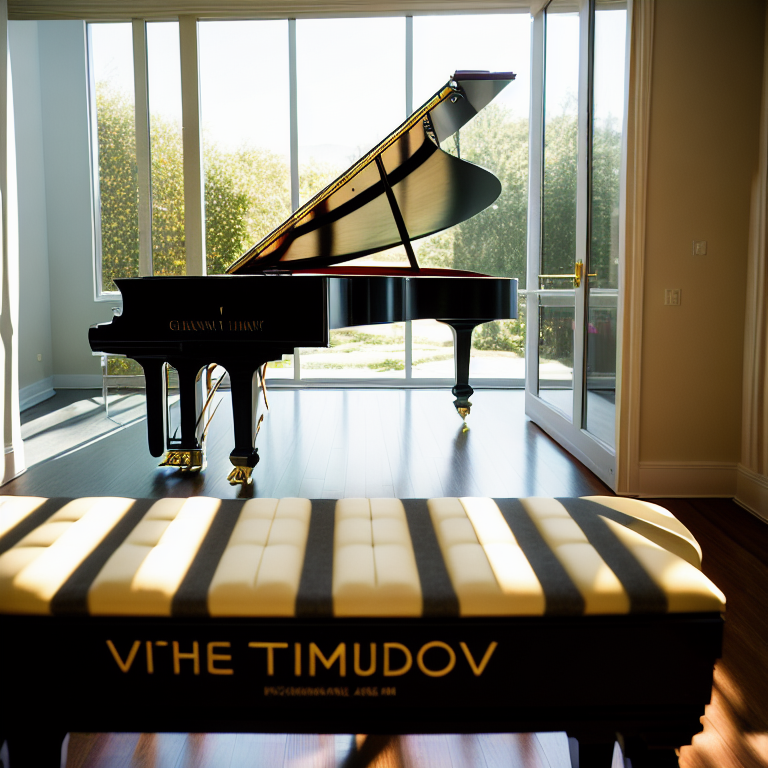
With the spotting notes in hand, the composer begins writing the actual music. Many start at the piano, sketching out melodies and harmonies. As the score develops, they expand these ideas for different instruments, considering how each section of the orchestra can contribute to the overall sound.
Modern composers often use digital tools and virtual instruments to create demos of their compositions. These demos allow directors to hear how the music will sound before recording with live musicians. The composer might write for a full orchestra, a small chamber ensemble, or even unconventional instruments depending on the film’s needs.
Recording Day: Bringing the Music to Life
The recording session is where the magic truly happens. Professional musicians gather in recording studios, often large spaces designed specifically for film scoring. The composer conducts the orchestra, guiding them through each cue while engineers capture the performances.
Recording film music is unique because it must sync perfectly with the picture. Musicians often wear headphones playing the film’s dialogue and sound effects, helping them match their timing to specific visual cues. The conductor uses a “click track”—a metronome played through headphones—to ensure everyone stays precisely on tempo with the film.
Sound Design and Mixing: The Final Polish
After recording, the music goes through sound design and mixing. This is where the score gets its final shape and polish. Sound designers might add electronic elements, manipulate recorded sounds, or create entirely new textures that blend with the orchestral music.
The mixing process balances all the musical elements—strings, brass, percussion, electronics—so each can be heard clearly. The mixer also ensures the music works well with dialogue and sound effects, creating a cohesive audio experience. This stage can take weeks as the team fine-tunes every detail.
The Psychology of Film Music: How It Affects Us
What makes film music so powerful? It taps into our emotions in ways we often don’t consciously notice. Composers use techniques like tempo, key, and instrumentation to create specific emotional responses. Fast-paced music with strong rhythms builds excitement and tension, while slow, minor-key melodies can evoke sadness or mystery.
The brain processes music and visuals together, creating a combined emotional experience that’s greater than either element alone. This is why the same scene with different music can feel completely different—comedy becomes tragedy, or suspense becomes romance, just by changing the soundtrack.
Technology’s Role: From Analog to Digital
The tools for creating film music have evolved dramatically. While traditional orchestral recording remains important, composers now have access to vast libraries of virtual instruments and advanced software that can create almost any sound imaginable. This technology allows for experimentation and can make scoring more accessible to independent filmmakers.
However, many composers still value the irreplaceable quality of live musicians. The subtle variations in timing, expression, and tone that human performers bring cannot be fully replicated by computers. Most modern film scores blend both approaches, using technology for efficiency while preserving the emotional depth of live performance.
Challenges and Creative Solutions
Creating a film soundtrack comes with unique challenges. Composers often work under tight deadlines, sometimes having only weeks to write hours of music. They must be flexible, ready to rewrite cues when scenes change during editing or when directors request adjustments.
Sometimes the most creative solutions come from limitations. A composer might use unconventional instruments or recording techniques to create a unique sound that perfectly captures a film’s atmosphere. The best soundtracks feel like they were always meant to be part of the film, even though they were created separately.
The Lasting Impact of Great Soundtracks
The best film soundtracks do more than accompany the movie—they become part of our cultural memory. Think about the iconic themes from Star Wars, Jaws, or Harry Potter. These melodies are instantly recognizable and evoke the entire story and its emotions, even years after seeing the films.
A great soundtrack enhances the film’s legacy, sometimes becoming more famous than the movie itself. It can launch careers, win awards, and inspire future generations of musicians and filmmakers. The emotional connection we feel to these musical themes speaks to the power of this collaborative art form.
Frequently Asked Questions (FAQ)
What’s the difference between a film score and a soundtrack?
A film score is the original music composed specifically for a movie, while a soundtrack can include both the score and pre-existing songs. The score is usually instrumental and created to match the film’s emotional beats, whereas soundtrack songs are often popular music tracks that play during certain scenes.
How long does it take to compose a film score?
The timeline varies greatly depending on the film’s complexity and the composer’s schedule. Some composers have only 4-6 weeks to complete a score, while others might work for several months. Major blockbuster films often give composers 3-4 months for writing and recording.
Do composers write every single piece of music in a film?
Not always. Some films use licensed music or songs that existed before the film was made. The composer typically writes the original score but may not compose every musical element you hear in the final film.
How much do film composers get paid?
Composer fees vary widely based on the film’s budget, the composer’s experience, and the scope of the project. Established composers for major films can earn six figures or more, while independent film composers might work for much less or even deferred payment.
Can anyone become a film composer?
While anyone can learn music composition, becoming a successful film composer requires not just musical talent but also the ability to collaborate, meet deadlines, and understand visual storytelling. Many composers study music formally and build experience through smaller projects before working on major films.
What software do film composers use?
Popular software includes Digital Audio Workstations (DAWs) like Logic Pro, Cubase, or Pro Tools. Composers also use notation software like Sibelius or Finale for writing traditional scores, and virtual instrument libraries from companies like Spitfire Audio or Native Instruments.
How do composers make sure the music matches the action on screen?
Composers use a technique called “spotting” to identify exact moments where musical hits should align with visual events. They often use a click track and work closely with the film’s editor to ensure perfect synchronization. Some even use software that displays the film while they compose.
What’s the most challenging part of creating a film score?
Many composers say the biggest challenge is balancing their creative vision with the director’s needs and the film’s requirements. They must create music that enhances the story without drawing too much attention to itself, all while working within tight deadlines and technical constraints.
Conclusion
The journey from studio to screen for a film soundtrack is a remarkable process that combines artistic vision, technical skill, and collaborative teamwork. It begins with understanding a story’s emotional core and ends with music that becomes inseparable from our memories of the film itself.
Next time you watch a movie, try to notice how the music guides your emotions, builds tension, or highlights important moments. The soundtrack might be working so perfectly that you don’t even consciously hear it—and that’s exactly the point. Great film music becomes the invisible hand that shapes our entire experience, proving that what we hear is just as important as what we see in the magic of cinema.
Whether it’s the triumphant brass of an adventure film or the subtle piano notes of a quiet drama, film soundtracks remind us that music has the power to transform stories into unforgettable experiences that resonate long after the final note fades away.
Leave a Reply