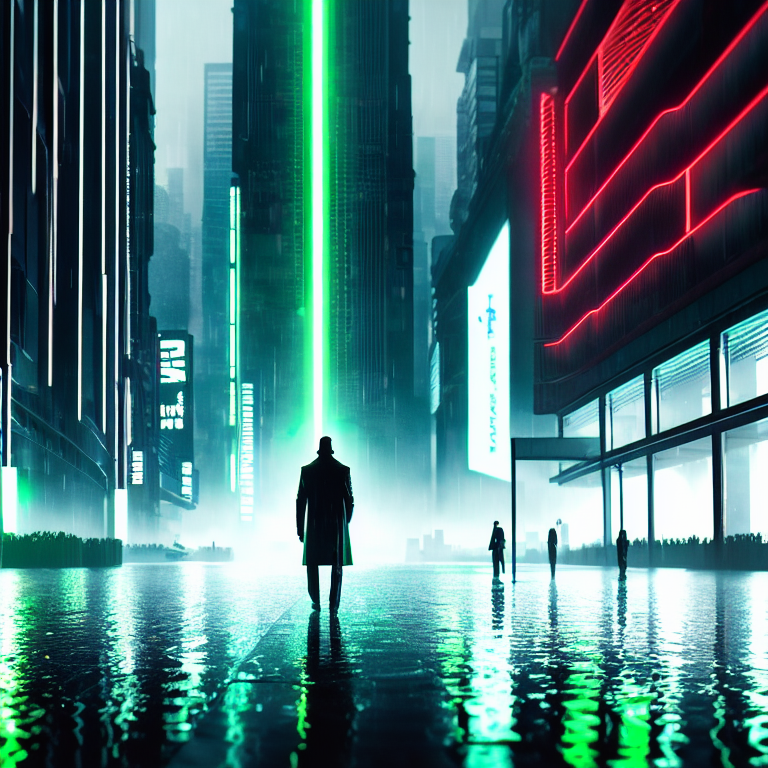
When The Matrix hit theaters in 1999, audiences were blown away by its groundbreaking special effects and mind-bending story. But beneath the surface of bullet-time action and leather trench coats lies a treasure trove of hidden meanings and philosophical ideas that many viewers miss on their first watch. Let’s dive into the secret symbolism that makes this sci-fi classic so much deeper than just a cool action movie.
The Red Pill vs. Blue Pill: More Than Just a Choice
The famous red pill/blue pill scene isn’t just about choosing between two colored tablets. This moment represents the fundamental choice between facing painful truth or living in comfortable ignorance. The red pill symbolizes enlightenment and the willingness to see reality as it truly is, while the blue pill represents the safety of illusion. This mirrors philosophical debates that have existed for centuries about whether ignorance is bliss or if knowledge, no matter how difficult, is always preferable.
The Wachowskis, who directed The Matrix, drew heavily from philosopher Jean Baudrillard’s book “Simulacra and Simulations.” In fact, Neo keeps a copy of this book in his apartment early in the film. Baudrillard argued that in our modern world, we often confuse simulations of reality with reality itself. The Matrix takes this idea literally, creating a simulated world that most humans mistake for the real thing.
Names That Tell a Story
Pay attention to the character names in The Matrix, and you’ll find they’re packed with meaning. Neo, whose real name is Thomas Anderson, represents “the One” – a savior figure. The name Thomas means “twin,” suggesting Neo has two identities: his fake life in the Matrix and his true self. Anderson means “son of man,” a title often used for Christ-like figures.
Other character names continue this pattern of hidden meaning. Morpheus is named after the Greek god of dreams, fitting since he helps people wake up from the dream-like Matrix. Trinity represents the Christian Holy Trinity and also symbolizes Neo’s connection to something greater than himself. Even the traitor Cypher’s name hints at his role – “cipher” means zero or nothing, reflecting how he betrays his friends for personal gain.
The Matrix as a Digital Prison
The Matrix itself serves as a powerful metaphor for various forms of control and oppression. Some viewers see it as representing consumer culture, where people are trapped in a cycle of working, buying, and consuming without questioning why. Others interpret it as a commentary on government surveillance and control, especially relevant in our modern world of smartphones and social media tracking.
The way humans are literally used as batteries in the film adds another layer of meaning. This represents how modern society can exploit people for their labor and energy while keeping them distracted with entertainment and false needs. The endless fields of human pods recall both dystopian fiction and real concerns about losing individuality in an increasingly connected world.
Alice in Wonderland Connections
The Matrix borrows heavily from Lewis Carroll’s “Alice’s Adventures in Wonderland.” Neo is told to “follow the white rabbit” early in the film, just as Alice follows the white rabbit down the rabbit hole into Wonderland. Both stories involve characters discovering hidden worlds that exist alongside our own.
The mirror scene where Neo touches a liquid mirror that spreads over his body directly references Alice stepping through the looking glass. Both scenes represent the moment when the protagonist crosses from one reality into another. The chess-like patterns seen in the loading program also echo the chessboard-like world Alice encounters.
Biblical and Mythological References
Religious symbolism runs throughout The Matrix. Neo’s journey mirrors the story of Christ – he dies and resurrects, gathers disciples, and sacrifices himself for humanity’s salvation. The scene where Neo is pierced in his side after being shot recalls the crucifixion of Jesus.
Greek mythology also influences the film’s symbolism. The Oracle plays a role similar to the oracles of ancient Greece, offering prophecies that guide the heroes’ actions. The ship Nebuchadnezzar is named after a biblical king who had prophetic dreams, suggesting the crew is on a divinely guided mission.
Technology and Control
Released at the dawn of the internet age, The Matrix captures fears about technology’s growing role in our lives. The film asks whether our increasing dependence on machines might one day lead to our enslavement. Today, with artificial intelligence advancing rapidly, these concerns feel even more relevant.
The way agents can take over any human still plugged into the Matrix represents fears about identity theft and loss of privacy in the digital age. The scene where Neo wakes up in his pod surrounded by millions of others suggests concerns about how technology might isolate us even while connecting us.
Color Symbolism Throughout
The Matrix uses color deliberately to convey meaning. The real world appears in cool blues and greens, suggesting a harsh but authentic existence. The Matrix itself uses warmer tones, particularly green, to create a sense of false comfort. The green tint throughout Matrix scenes resembles old computer monitors, reinforcing the digital nature of this reality.
Red appears at crucial moments – the red pill, the red woman in the training program, blood from injuries. This color consistently marks moments of truth, danger, and awakening. White is used for scenes of transformation, like Neo’s training and resurrection.
The Architect and Systems of Control
The Architect scene in the second film introduces complex ideas about control systems and the cyclical nature of revolution. Some interpret this as commentary on how revolutionary movements often get absorbed back into the systems they oppose. The choice between rebooting the system or letting humanity die represents the false choices often presented by those in power.
This scene also explores ideas about free will versus determinism. Are the characters truly making choices, or are they following a path predetermined by the system? This philosophical question has puzzled thinkers for centuries and remains relevant to modern discussions about technology and human agency.
Modern Relevance and Cultural Impact
The Matrix predicted many aspects of our current digital life. Reality TV, social media echo chambers, deepfakes, and virtual reality all reflect the film’s central concern about distinguishing between what’s real and what’s simulated. The phrase “take the red pill” has entered popular culture, though often stripped of its original meaning about seeking truth.
The film’s themes of awakening and questioning authority resonate strongly in today’s world of misinformation and conspiracy theories. However, The Matrix suggests that true awakening requires not just questioning, but also taking responsibility and working to help others see the truth.
###TITLE_START###
Frequently Asked Questions About Matrix Symbolism
What does the spoon-bending scene really mean?
The famous “there is no spoon” scene teaches that reality is more malleable than we think. The boy explains that it’s not the spoon that bends, but our perception of it. This represents the idea that our beliefs and perceptions shape our reality more than external circumstances.
Why is Neo’s passport expiration date significant?
Eagle-eyed viewers noticed Neo’s passport expires on September 11, 2001 – the date of the real-world terrorist attacks. While likely coincidental, this detail has led to various interpretations about the film predicting future events or commenting on how reality can change dramatically.
What’s the significance of the numbers on Neo’s apartment door?
Neo’s apartment number is 101, a binary code reference that also suggests he’s the first of a new kind of human. In George Orwell’s “1984,” Room 101 represents ultimate truth and confrontation with one’s fears, paralleling Neo’s journey to discover the truth about reality.
How does the film’s martial arts training relate to its themes?
The martial arts training scenes show that knowledge and skill can be instantly downloaded, raising questions about what makes us human. Is it our experiences, our choices, or something else? The training also represents how awakening to truth requires both mental understanding and practical ability to act on that knowledge.
What does the Merovingian character represent?
The Merovingian represents the old guard of the system – someone who understands how the Matrix works and uses that knowledge for personal gain rather than liberation. He’s a cautionary figure showing how enlightenment without ethics can lead to exploitation.
###TITLE_START###
Conclusion: Why The Matrix Still Matters
Nearly 25 years after its release, The Matrix continues to fascinate viewers with its rich layers of symbolism and meaning. The film works on multiple levels – as an exciting action movie, as a philosophical exploration, and as a cultural commentary that grows more relevant with each passing year. Its central question about the nature of reality and our ability to choose our path remains one of the most compelling in modern cinema.
The genius of The Matrix lies in how it packages complex philosophical ideas into an accessible, entertaining package. Whether you’re interested in deep philosophical questions or just want to watch cool action scenes, the film offers something valuable. By understanding the hidden symbolism, viewers can appreciate how this seemingly simple sci-fi movie actually contains profound insights about technology, freedom, and what it means to be human in an increasingly digital world.
The next time you watch The Matrix, try looking beyond the surface. Notice the color choices, the character names, the philosophical references, and the way each scene builds on centuries of philosophical thought. You might discover that this film you thought you knew well actually contains entire worlds of meaning waiting to be explored.
Leave a Reply