Author: probloggerpk1@gmail.com

  • Why Some Film Festivals Are Moving Online Permanently

    Why Some Film Festivals Are Moving Online Permanently

    Film festivals have always been about bringing people together to celebrate movies. But lately, many festivals are making a big change – they’re staying online even after the pandemic ends. This shift is happening for good reasons, and it’s changing how we watch and discover films.

    The pandemic forced many festivals to go virtual in 2020 and 2021. What started as a temporary fix has turned into a permanent option for several major festivals. This change isn’t just about convenience – it’s opening doors for filmmakers and audiences in ways traditional festivals never could.

    Film festivals like Sundance, Tribeca, and SXSW discovered something surprising during their online runs. They could reach way more people than ever before. Instead of filling a theater with 200 people, they could have thousands watching from home. This bigger audience means more exposure for independent films that might otherwise get lost in the crowd.

    Cost savings play a huge role too. Running a physical festival means renting venues, hiring staff, printing programs, and handling all the logistics of moving people and equipment around. Online festivals cut most of these costs dramatically. This means festivals can take more risks on unusual or experimental films since they’re not gambling as much money on each screening.

    The digital format also creates new opportunities for filmmakers. Getting into a physical festival often means traveling across the country or even internationally. For many independent creators, these travel costs make attending impossible. Online festivals remove this barrier completely. A filmmaker in rural Kansas can now screen their work alongside someone from London or Tokyo without leaving their home.

    Audience engagement has changed in interesting ways too. Online Q&A sessions can include viewers from anywhere in the world. Someone in Australia can ask a question to a director in Canada in real-time. These global conversations create connections that wouldn’t happen at a local theater screening.

    Some festivals are finding creative ways to blend the best of both worlds. They might host in-person events in major cities while streaming everything online. This hybrid approach gives people options based on their preferences and circumstances. Want to watch from your couch? Great. Prefer the energy of a live audience? That’s available too.

    The data from online festivals has been eye-opening for organizers. They can track exactly how many people watch each film, how long they watch, and even where viewers drop off. This information helps programmers understand what audiences actually want to see, not just what they say they want.

    Technical challenges remain a concern for some. Not everyone has reliable internet or the devices needed to stream high-quality video. Festivals are working on solutions like offering downloadable content or partnering with libraries to provide viewing stations. The goal is making sure the move online doesn’t create new barriers for certain audiences.

    Sponsors and distributors are also adapting to the online format. Brands that might not have wanted to be associated with a small local festival suddenly see value in reaching a global online audience. Distributors are more willing to take chances on films that perform well in virtual settings since they have data showing real audience interest.

    The environmental impact can’t be ignored either. Physical festivals generate tons of waste from printed materials, food containers, and travel emissions. While streaming isn’t perfectly green, it’s generally less resource-intensive than flying hundreds of people to one location. This aligns with growing concerns about climate change in the film industry.

    Some filmmakers initially worried that online screenings would feel less special than red-carpet premieres. But many have found that virtual festivals create their own kind of excitement. Watch parties, live-tweeting events, and online communities form around films in ways that feel fresh and authentic to the digital age.

    The economics are shifting too. Ticket prices for online festivals are often lower than in-person events, making them accessible to more people. Some festivals use a subscription model where viewers pay one price to access everything, similar to streaming services. This approach has helped festivals maintain revenue while expanding their reach.

    Technical innovations continue to improve the online festival experience. Better streaming quality, interactive features, and virtual reality options are making digital screenings feel more immersive. Some festivals are experimenting with virtual venues that mimic the feeling of walking through a physical space, complete with theaters and lounges.

    The international film community has particularly benefited from this shift. Films from countries with less developed festival infrastructure can now reach global audiences easily. This democratization of access is helping diversify the types of stories that get told and celebrated.

    As we look to the future, it’s clear that online festivals aren’t just a temporary solution – they’re becoming a permanent part of how we experience film festivals. The convenience, accessibility, and new creative possibilities they offer are too valuable to abandon. While nothing can completely replace the magic of watching a great film with a live audience, the online format has earned its place alongside traditional festivals.

    The film industry is always evolving, and this shift represents another step in making movies more accessible to everyone. Whether you’re a filmmaker looking to share your work, a film lover wanting to discover new voices, or just someone who enjoys a good movie night at home, online festivals offer something valuable that’s here to stay.

  • How Soundtracks Are Made: From Studio to Screen

    How Soundtracks Are Made: From Studio to Screen

    Ever notice how a movie scene feels completely different when you watch it without music? That’s because soundtracks do more than just play in the background—they shape how we feel about every moment on screen. From the tense strings in a thriller to the sweeping orchestral themes in an epic adventure, film music guides our emotions and helps tell the story in ways visuals alone cannot.

    The process of creating a movie soundtrack is a fascinating journey that involves composers, musicians, sound engineers, and directors working together for months or even years. It’s a creative collaboration that transforms raw emotions and visual stories into powerful musical experiences that stay with us long after the credits roll.

    The Composer’s First Steps: Reading the Script and Meeting the Director

    Before a single note is written, the composer needs to understand the heart of the film. This begins with reading the screenplay, often before filming even starts. Composers look for emotional cues, character arcs, and the overall tone the director wants to achieve. They ask questions like: What emotions should the audience feel at each moment? How can music enhance the storytelling without overwhelming it?

    The initial meeting between composer and director is crucial. They discuss the film’s themes, the director’s vision, and sometimes even specific musical references that inspire them. Some directors provide “temp tracks”—temporary music from other films—to help communicate the mood they’re seeking. This collaboration sets the foundation for everything that follows.

    Creating the Musical Palette: Themes and Motifs

    Once the composer understands the story, they begin crafting the musical building blocks. This involves creating main themes for characters, locations, or ideas that will appear throughout the film. These themes act like musical fingerprints—when you hear that melody, you instantly recognize who or what it represents.

    For example, in a superhero film, the hero might have a bold, triumphant theme, while the villain’s music could be dark and menacing. These motifs are then developed and transformed as the story progresses, reflecting character growth or plot twists. The composer might write dozens of themes before finding the perfect ones that capture the essence of the story.

    The Spotting Session: Finding the Perfect Moments

    A critical step in soundtrack creation is the spotting session, where the composer, director, and sometimes the editor watch the film together to decide exactly where music should appear. Not every scene needs music—in fact, strategic silence can be just as powerful as sound.

    During this session, they determine which moments require subtle background music and which demand bold, dramatic scores. They discuss the emotional beats and decide how the music should support or contrast with what’s happening on screen. This collaborative process ensures the music enhances rather than distracts from the visual storytelling.

    Writing the Score: From Piano to Full Orchestra

    With the spotting notes in hand, the composer begins writing the actual music. Many start at the piano, sketching out melodies and harmonies. As the score develops, they expand these ideas for different instruments, considering how each section of the orchestra can contribute to the overall sound.

    Modern composers often use digital tools and virtual instruments to create demos of their compositions. These demos allow directors to hear how the music will sound before recording with live musicians. The composer might write for a full orchestra, a small chamber ensemble, or even unconventional instruments depending on the film’s needs.

    Recording Day: Bringing the Music to Life

    The recording session is where the magic truly happens. Professional musicians gather in recording studios, often large spaces designed specifically for film scoring. The composer conducts the orchestra, guiding them through each cue while engineers capture the performances.

    Recording film music is unique because it must sync perfectly with the picture. Musicians often wear headphones playing the film’s dialogue and sound effects, helping them match their timing to specific visual cues. The conductor uses a “click track”—a metronome played through headphones—to ensure everyone stays precisely on tempo with the film.

    Sound Design and Mixing: The Final Polish

    After recording, the music goes through sound design and mixing. This is where the score gets its final shape and polish. Sound designers might add electronic elements, manipulate recorded sounds, or create entirely new textures that blend with the orchestral music.

    The mixing process balances all the musical elements—strings, brass, percussion, electronics—so each can be heard clearly. The mixer also ensures the music works well with dialogue and sound effects, creating a cohesive audio experience. This stage can take weeks as the team fine-tunes every detail.

    The Psychology of Film Music: How It Affects Us

    What makes film music so powerful? It taps into our emotions in ways we often don’t consciously notice. Composers use techniques like tempo, key, and instrumentation to create specific emotional responses. Fast-paced music with strong rhythms builds excitement and tension, while slow, minor-key melodies can evoke sadness or mystery.

    The brain processes music and visuals together, creating a combined emotional experience that’s greater than either element alone. This is why the same scene with different music can feel completely different—comedy becomes tragedy, or suspense becomes romance, just by changing the soundtrack.

    Technology’s Role: From Analog to Digital

    The tools for creating film music have evolved dramatically. While traditional orchestral recording remains important, composers now have access to vast libraries of virtual instruments and advanced software that can create almost any sound imaginable. This technology allows for experimentation and can make scoring more accessible to independent filmmakers.

    However, many composers still value the irreplaceable quality of live musicians. The subtle variations in timing, expression, and tone that human performers bring cannot be fully replicated by computers. Most modern film scores blend both approaches, using technology for efficiency while preserving the emotional depth of live performance.

    Challenges and Creative Solutions

    Creating a film soundtrack comes with unique challenges. Composers often work under tight deadlines, sometimes having only weeks to write hours of music. They must be flexible, ready to rewrite cues when scenes change during editing or when directors request adjustments.

    Sometimes the most creative solutions come from limitations. A composer might use unconventional instruments or recording techniques to create a unique sound that perfectly captures a film’s atmosphere. The best soundtracks feel like they were always meant to be part of the film, even though they were created separately.

    The Lasting Impact of Great Soundtracks

    The best film soundtracks do more than accompany the movie—they become part of our cultural memory. Think about the iconic themes from Star Wars, Jaws, or Harry Potter. These melodies are instantly recognizable and evoke the entire story and its emotions, even years after seeing the films.

    A great soundtrack enhances the film’s legacy, sometimes becoming more famous than the movie itself. It can launch careers, win awards, and inspire future generations of musicians and filmmakers. The emotional connection we feel to these musical themes speaks to the power of this collaborative art form.

    Frequently Asked Questions (FAQ)

    What’s the difference between a film score and a soundtrack?

    A film score is the original music composed specifically for a movie, while a soundtrack can include both the score and pre-existing songs. The score is usually instrumental and created to match the film’s emotional beats, whereas soundtrack songs are often popular music tracks that play during certain scenes.

    How long does it take to compose a film score?

    The timeline varies greatly depending on the film’s complexity and the composer’s schedule. Some composers have only 4-6 weeks to complete a score, while others might work for several months. Major blockbuster films often give composers 3-4 months for writing and recording.

    Do composers write every single piece of music in a film?

    Not always. Some films use licensed music or songs that existed before the film was made. The composer typically writes the original score but may not compose every musical element you hear in the final film.

    How much do film composers get paid?

    Composer fees vary widely based on the film’s budget, the composer’s experience, and the scope of the project. Established composers for major films can earn six figures or more, while independent film composers might work for much less or even deferred payment.

    Can anyone become a film composer?

    While anyone can learn music composition, becoming a successful film composer requires not just musical talent but also the ability to collaborate, meet deadlines, and understand visual storytelling. Many composers study music formally and build experience through smaller projects before working on major films.

    What software do film composers use?

    Popular software includes Digital Audio Workstations (DAWs) like Logic Pro, Cubase, or Pro Tools. Composers also use notation software like Sibelius or Finale for writing traditional scores, and virtual instrument libraries from companies like Spitfire Audio or Native Instruments.

    How do composers make sure the music matches the action on screen?

    Composers use a technique called “spotting” to identify exact moments where musical hits should align with visual events. They often use a click track and work closely with the film’s editor to ensure perfect synchronization. Some even use software that displays the film while they compose.

    What’s the most challenging part of creating a film score?

    Many composers say the biggest challenge is balancing their creative vision with the director’s needs and the film’s requirements. They must create music that enhances the story without drawing too much attention to itself, all while working within tight deadlines and technical constraints.

    Conclusion

    The journey from studio to screen for a film soundtrack is a remarkable process that combines artistic vision, technical skill, and collaborative teamwork. It begins with understanding a story’s emotional core and ends with music that becomes inseparable from our memories of the film itself.

    Next time you watch a movie, try to notice how the music guides your emotions, builds tension, or highlights important moments. The soundtrack might be working so perfectly that you don’t even consciously hear it—and that’s exactly the point. Great film music becomes the invisible hand that shapes our entire experience, proving that what we hear is just as important as what we see in the magic of cinema.

    Whether it’s the triumphant brass of an adventure film or the subtle piano notes of a quiet drama, film soundtracks remind us that music has the power to transform stories into unforgettable experiences that resonate long after the final note fades away.

  • What Happens When a Movie’s Release Date Gets Pushed?

    When a movie’s release date gets pushed back, it can feel like a punch to the gut for fans who have been waiting months or even years to see their favorite characters on the big screen. But behind the scenes, these delays are often complex decisions that can have ripple effects throughout the entire film industry.

    Movie release dates are carefully planned events that involve massive marketing campaigns, theater bookings, and distribution agreements. When a studio decides to push back a release date, it’s rarely a simple choice. There are usually multiple factors at play, from production challenges to strategic business decisions that can affect millions of dollars in potential revenue.

    The impact of a delayed movie release extends far beyond just disappointed fans. Theaters count on big releases to draw crowds, merchandise companies plan their product launches around movie dates, and actors’ promotional schedules get completely disrupted. Understanding why these delays happen and what they mean for the industry gives us fascinating insight into how Hollywood really works.

    Production Challenges That Force Delays

    Sometimes the simplest reason for a delayed release is that the movie just isn’t ready. Film productions are incredibly complex endeavors with hundreds of moving parts, and it’s not uncommon for things to go wrong. Whether it’s special effects that need more time, reshoots to improve the story, or technical issues that need fixing, studios will often choose to delay a release rather than put out a product they know isn’t up to their standards.

    The COVID-19 pandemic taught us just how fragile movie productions can be. When entire film sets had to shut down, release dates became impossible to keep. Studios learned that sometimes the best business decision is to wait until they can deliver the quality their audience expects. This is especially true for big-budget blockbusters where the visual effects alone can take months to perfect.

    Even smaller films can face production delays that force a release date change. Maybe the weather didn’t cooperate during outdoor shooting, or an actor became unavailable for crucial scenes. These seemingly small issues can snowball into major delays that push a film back by months or even years.

    Strategic Business Decisions Behind Release Date Changes

    Not all release date delays are caused by production problems. Sometimes studios make the strategic decision to move a movie’s release date to maximize its box office potential. The film industry is incredibly competitive, and releasing a movie on the wrong weekend can mean the difference between a hit and a flop.

    Studios carefully analyze their competition before setting release dates. If two similar movies are scheduled for the same weekend, one studio might decide to move their film to avoid splitting the audience. This happened recently when major studios adjusted their schedules to avoid competing directly with each other’s biggest franchises.

    Holiday seasons and summer months are prime real estate for movie releases, and studios will often jockey for the best dates. A Christmas release might be moved to Thanksgiving if the studio believes it has a better chance of success, or a summer blockbuster might be pushed to spring if market research suggests less competition.

    The Financial Impact on Studios and Theaters

    When a movie’s release date gets pushed, the financial implications can be enormous. Studios have already invested millions in marketing campaigns that are suddenly outdated. Television commercials, billboards, and online advertisements all need to be revised or scrapped entirely. The cost of these changes can run into millions of additional dollars.

    Movie theaters suffer when anticipated releases get delayed. Many theaters operate on thin margins and count on big releases to draw crowds during specific seasons. When a major film moves its release date, theaters lose not just the revenue from ticket sales but also from concessions, which are often their most profitable items.

    The ripple effect extends to everyone involved in the film’s release. Merchandise companies have to adjust their production schedules, international distributors need to renegotiate release windows, and even streaming services might need to modify their acquisition strategies if the film was planned for a theatrical window before moving to their platform.

    How Delays Affect Marketing and Promotion

    A delayed release date throws carefully planned marketing campaigns into chaos. Movie studios spend months building anticipation through trailers, posters, and social media campaigns. When a release date changes, all of this promotional material suddenly becomes outdated and needs to be revised.

    Actors and directors who have already begun their promotional tours find themselves in awkward positions. Interviews scheduled months in advance suddenly need to be rescheduled or canceled. Social media campaigns that were timed to build momentum toward a specific release date lose their effectiveness and need to be completely reworked.

    The challenge becomes even more complicated when delays stretch into months or years. How do you maintain audience interest in a movie that keeps getting pushed back? Studios have to find creative ways to keep their film relevant without oversaturating the market with the same promotional material.

    International Release Strategies and Global Markets

    Movie delays affect international markets differently than domestic ones. What might be a strategic move for a U.S. release could create complications for international distributors who have already planned their schedules around the original date. Different countries have different holiday seasons and competitive landscapes that studios must consider.

    The rise of international box office has made global release strategies more important than ever. A movie that performs well in China or other international markets might need different timing than one that relies primarily on domestic success. Sometimes delays are specifically designed to optimize international release windows rather than domestic ones.

    Streaming services have added another layer of complexity to international releases. Some territories might get a movie on streaming platforms while others still get theatrical releases, creating a complicated web of release windows that studios must carefully navigate when considering date changes.

    Fan Reactions and Social Media Impact

    When a movie’s release date gets pushed, fans take to social media to express their disappointment. While this might seem like just emotional reactions, these responses can actually influence how studios handle delays. Negative fan reaction can sometimes force studios to be more transparent about their reasons for pushing a release.

    Social media also creates opportunities for studios to manage fan expectations during delays. Clever marketing campaigns can turn a delay into an opportunity to build even more anticipation. Behind-the-scenes content, new trailers, or interactive fan experiences can keep audiences engaged even when they have to wait longer for the actual movie.

    The way studios communicate about delays has become increasingly important. Fans appreciate transparency and understanding the reasons behind a delay, whether it’s to ensure quality or to avoid competing with other major releases. The best studios use delays as opportunities to strengthen their relationship with their audience rather than just announcing changes without explanation.

    How Delays Affect Awards Season Considerations

    For movies aiming for awards season glory, release date timing is crucial. Many films that want to be considered for major awards are released late in the year so they’re fresh in voters’ minds. A delay that pushes a movie out of this window can significantly impact its awards potential.

    Studios must balance the desire for awards recognition with the need to maximize box office revenue. Sometimes a delay might move a film out of awards contention but into a more profitable release window. Other times, studios might delay a film specifically to position it better for awards season, even if it means a longer wait for general audiences.

    The streaming era has changed how awards season works, with some streaming platforms releasing movies year-round rather than concentrating on the traditional fall awards season. This has given studios more flexibility in their release strategies, but the prestige of a well-timed awards release still carries significant weight in the industry.

    The Future of Movie Release Strategies

    The film industry is constantly evolving, and release date strategies are changing along with it. The success of movies released directly to streaming platforms during the pandemic has made studios reconsider their traditional theatrical windows. Some movies that might have been delayed for theatrical release are now being positioned for streaming platforms instead.

    Hybrid release models are becoming more common, where movies have shorter theatrical runs before moving to streaming services. This gives studios more flexibility in their release strategies and can make delays less damaging since the ultimate goal isn’t always a long theatrical run.

    Technology is also changing how studios approach release dates. Advanced analytics and artificial intelligence are helping studios better predict the optimal release windows for their films. This data-driven approach might reduce the number of delays in the future, but it also means that when delays do happen, they’re likely to be for very specific strategic reasons.

    Frequently Asked Questions

    Why do movies get delayed so close to their release dates?
    Movies often get delayed close to their release dates because final post-production work takes longer than expected, or because test screenings reveal that audiences aren’t responding well to the current version. Studios would rather delay a release than put out a movie they know isn’t ready.

    How do release date delays affect actors and their contracts?
    Release date delays can affect actors’ contracts, especially if they have agreements about when a movie must be released for them to receive certain bonuses. However, most contracts have provisions for reasonable delays, and major delays might require renegotiation of terms.

    Can fans get refunds if they bought tickets for a movie that gets delayed?
    If you’ve purchased tickets for a movie that gets delayed, most theaters will refund your money or allow you to keep the tickets for the new release date. Some theaters even offer additional perks for the inconvenience of a delay.

    Do delayed movies usually perform better or worse at the box office?
    There’s no consistent pattern for how delayed movies perform. Some delayed films benefit from additional marketing time and improved quality, while others lose momentum and audience interest. The outcome usually depends on how the delay is handled and the reasons behind it.

    How do streaming services handle movie delays differently than theaters?
    Streaming services have more flexibility with release dates since they don’t have to coordinate with thousands of theaters. They can often make release date changes with less financial impact and can use delays as opportunities to build anticipation for their platform exclusives.

    Conclusion

    Movie release date delays are complex events that affect every part of the film industry, from the studios that make the movies to the fans who wait to see them. While delays can be frustrating for audiences, they’re often necessary decisions made to ensure the best possible product or to maximize a film’s commercial success.

    The film industry has learned to be more flexible and strategic about release dates, especially in the wake of global events that have shown just how unpredictable production schedules can be. As streaming services continue to change the landscape of film distribution, we may see fewer traditional delays and more strategic release planning that takes advantage of multiple distribution channels.

    Understanding the reasons behind movie delays helps us appreciate the complex business decisions that go into bringing our favorite films to the screen. Whether it’s to perfect the visual effects, avoid competition, or optimize international release strategies, these delays are usually part of a larger plan to give audiences the best possible movie experience.

  • The Secret Behind Hollywood’s New Age Ratings

    The Secret Behind Hollywood’s New Age Ratings

    Hollywood movies come with age ratings that tell us who can watch them. These ratings help parents know what’s in a movie before their kids see it. But have you ever wondered how these ratings really work? The system has some secrets that most people don’t know about.

    The movie rating system in the United States is run by the Motion Picture Association. They give movies ratings like G, PG, PG-13, R, and NC-17. Each rating has rules about what kind of content is allowed. But the process behind these ratings is not as simple as you might think.

    The people who decide ratings are part of a special group called the Classification and Rating Administration. This group meets in secret to watch movies and decide their ratings. They don’t make their meetings public, and they don’t explain exactly why they give certain ratings. This secrecy has led to many questions about fairness and consistency.

    How Ratings Actually Get Decided

    The rating process starts when a movie studio submits their film to the rating board. A group of 8 to 13 people watch the movie together in a private screening room. These viewers come from different backgrounds but they all have one thing in common – they’re parents with kids under 17 years old.

    After watching the movie, the group discusses what they saw. They look at things like violence, language, sexual content, and drug use. Then they vote on what rating the movie should get. The rating needs majority approval to be assigned. If the studio doesn’t like the rating, they can appeal or make changes to the movie and resubmit it.

    The guidelines for each rating are not written in stone. The board has some flexibility in how they apply the rules. This means that two movies with similar content might get different ratings depending on the specific board members watching them. This inconsistency is one of the biggest complaints about the system.

    The Money Factor in Ratings

    Movie ratings have a huge impact on how much money a film can make. A movie with an R rating can’t be seen by anyone under 17 without a parent. This cuts out a big part of the audience. That’s why studios often try hard to get a PG-13 rating instead of an R rating.

    Sometimes studios will actually change their movies to avoid an R rating. They might cut scenes or change dialogue. This happens because R-rated movies typically make less money at the box office. The rating system therefore has a big influence on what ends up on screen.

    The NC-17 rating is especially problematic for studios. Many theaters won’t show NC-17 movies, and some newspapers won’t run ads for them. This makes the NC-17 rating almost like a death sentence for a film’s commercial prospects. As a result, very few movies actually receive this rating.

    Violence vs. Sex: The Double Standard

    One of the most interesting secrets about movie ratings is how they treat violence compared to sexual content. Generally speaking, movies can show a lot more violence than sexual content before getting an R rating. This has been true for decades and reflects cultural attitudes about what’s acceptable.

    A movie can show people getting shot or beaten up and still get a PG-13 rating. But if it shows too much skin or sexual activity, it’s more likely to get an R rating. This double standard has been criticized by many filmmakers and cultural critics. They argue that this sends the wrong message to young viewers.

    Foreign films often face different standards when it comes to sexual content. Movies from Europe or other countries that show nudity or sexual themes might get harsher ratings in the US than they do in their home countries. This cultural difference affects which international films succeed in the American market.

    The Appeals Process

    When a studio disagrees with a rating, they can go through an appeals process. This involves presenting their case to a different panel of viewers. The appeals board includes movie theater owners and distributors who have a financial stake in how movies are rated.

    During an appeal, the studio can present arguments about why their movie deserves a different rating. They might point to similar movies that got different ratings. Sometimes this works, and the rating gets changed. Other times, the original rating stands.

    The appeals process is private, just like the initial rating decision. This means the public never knows what arguments were made or why a decision was changed. This lack of transparency continues to be a point of controversy in the film industry.

    Independent Films vs. Studio Films

    Independent films often face different treatment than big studio productions when it comes to ratings. Some filmmakers have complained that the same content gets stricter ratings when it appears in small, independent movies compared to major studio releases.

    This perception of unfairness has led to calls for more transparency in the rating process. Independent filmmakers argue that they don’t have the resources to fight ratings decisions the way major studios do. This can limit the audience for important independent films that tackle challenging subjects.

    The rating board has denied that they treat independent films differently. They say they apply the same standards to all movies. But the perception of bias remains, especially among independent filmmakers who feel their work is judged more harshly.

    The International Rating Puzzle

    Movie ratings work differently in other countries. What gets a PG rating in the US might get a 12 rating in the UK or a G rating in Australia. This creates challenges for studios releasing movies globally.

    Some countries have much stricter rules about certain types of content. For example, many European countries are more relaxed about sexual content but stricter about violence. Asian countries might have different standards for supernatural themes or religious content.

    Studios sometimes create different versions of movies for different markets. They might cut scenes for countries with stricter standards. This means that the movie you see in the US might be different from the one shown in other countries, even with the same rating.

    Technology Changing the Game

    Streaming services have started to change how we think about movie ratings. When you watch a movie on Netflix or Hulu, you don’t see the same prominent rating as you would in a theater. The platforms have their own content warnings and age restrictions.

    This shift to streaming has led some to question whether traditional movie ratings are still necessary. When parents can read detailed content descriptions and use parental controls, does the simple G, PG, PG-13 system still serve its purpose?

    Some streaming services are developing more detailed content classifications. Instead of just an age rating, they provide specific information about what type of content is in a movie. This gives viewers more information to make decisions about what to watch.

    The Future of Movie Ratings

    The movie rating system has been around for over 50 years, but it’s facing new challenges. With content available everywhere from theaters to phones, the old system might need updating. Some experts suggest moving to a more detailed content description system rather than simple age ratings.

    There’s also growing pressure for more transparency in how ratings are decided. Filmmakers, parents, and cultural critics all want to understand the process better. Some suggest making the rating board’s meetings public or at least explaining their decisions more clearly.

    Despite these challenges, the rating system continues to play an important role in American media. Parents still rely on these ratings to make decisions about what their children watch. The system may evolve, but it’s likely to remain a part of how we classify and consume media for years to come.

    Frequently Asked Questions (FAQ)

    What do the different movie ratings mean?

    G means General Audiences – suitable for all ages. PG suggests Parental Guidance – some material might not be suitable for young children. PG-13 means Parents Strongly Cautioned – some material might be inappropriate for children under 13. R means Restricted – under 17 requires accompanying parent or adult guardian. NC-17 means No One 17 and Under Admitted.

    Who decides movie ratings?

    The Classification and Rating Administration, part of the Motion Picture Association, decides movie ratings. The group consists of 8-13 parents with children under 17 who watch each movie and vote on the appropriate rating.

    Can movie ratings be changed?

    Yes, studios can appeal a rating decision if they disagree with it. They can also choose to edit their movie and resubmit it for a new rating. The appeals process involves a different panel of viewers than the original rating decision.

    Why do some movies seem to get different ratings for similar content?

    The rating system has some flexibility, and different board members might interpret guidelines differently. There’s also evidence of a double standard where violence often gets more lenient treatment than sexual content. Independent films sometimes appear to face stricter standards than studio films.

    How do movie ratings affect box office performance?

    Ratings significantly impact box office potential. G, PG, and PG-13 movies can be seen by wider audiences, including teenagers who buy many movie tickets. R-rated movies exclude viewers under 17 without parents, and NC-17 ratings can prevent movies from being shown in many theaters entirely.

    Do other countries use the same rating system?

    No, different countries have their own rating systems with different standards. What gets a PG-13 rating in the US might get a 12 rating in the UK or a different rating entirely in countries like Australia, Germany, or Japan. Studios often make different versions of movies for international markets.

    Conclusion

    The secret world of movie ratings is more complex than most people realize. Behind those simple letters lies a system that affects what movies get made, how they’re marketed, and who can watch them. While the system has its flaws and critics, it continues to serve an important function in helping viewers make informed choices about media consumption.

    As technology changes how we watch movies and cultural attitudes evolve, the rating system will likely need to adapt. But for now, those little rating cards at the beginning of movies remain a powerful force in Hollywood, shaping everything from creative decisions to box office results. Understanding how this system really works gives us a new perspective on the movies we watch and the industry that creates them.

  • Why VFX Artists Are Fighting for Better Working Conditions

    Why VFX Artists Are Fighting for Better Working Conditions

    Imagine spending months perfecting a single explosion for a blockbuster movie, only to find out your studio might close before you get paid. That’s the reality many visual effects artists face today. These are the people who create the dragons in Game of Thrones, the superheroes in Marvel films, and the entire world of Avatar. Yet despite their massive contribution to modern cinema, VFX artists often work in conditions that would shock most moviegoers.

    The visual effects industry has grown from a small specialty to a massive global business worth billions. But while movie studios make record profits, the artists who create these digital wonders often struggle with unpaid overtime, unrealistic deadlines, and job insecurity. It’s like building a beautiful house but never getting to live in it.

    VFX artists are fighting back, demanding better treatment, fair pay, and more stable working conditions. Their struggle highlights a bigger problem in the entertainment industry where the people behind the scenes often bear the brunt of production pressures while studios and directors get most of the credit and profits.

    The Hidden World of VFX Labor

    Behind every stunning visual effect is a team of artists working hundreds of hours to make it perfect. These artists often work 60-80 hour weeks during crunch periods, sacrificing their health and personal lives to meet impossible deadlines. The work requires incredible skill and attention to detail, yet many VFX artists earn less than their counterparts in other tech fields despite having similar or even more specialized skills.

    The pressure to deliver perfect effects on tight schedules creates a toxic cycle. Artists rush to complete shots, which leads to mistakes that require even more work to fix. This creates a constant state of emergency where normal work-life balance becomes impossible. Some artists report working for days without sleep to finish crucial shots for film premieres.

    Many VFX studios operate on razor-thin margins, competing fiercely for contracts by underbidding each other. This creates a race to the bottom where studios promise more than they can deliver, then push their artists to make up the difference. The result is a system that burns out talented artists and drives many to leave the industry entirely.

    How Streaming Changed Everything

    The rise of streaming platforms has dramatically increased demand for visual effects. Where movies used to need a few hundred VFX shots, now even TV shows require thousands. This explosion in demand has created more jobs but also more pressure. Artists who once worked on one or two major projects per year now juggle multiple productions simultaneously.

    Streaming services often demand faster turnaround times than traditional film releases. What used to take months must now be completed in weeks or even days. This accelerated pace leaves no room for the careful planning and testing that produces the best visual effects. Artists report that quality suffers as they’re forced to prioritize speed over craftsmanship.

    The subscription model of streaming services also creates unique financial pressures. Unlike theatrical releases where studios get large upfront payments, streaming revenue trickles in slowly. This makes it harder for VFX studios to maintain stable workforces and invest in the tools and training their artists need.

    The Global Competition Problem

    VFX work has become a global competition where studios in different countries undercut each other for contracts. A studio in one country might offer to do the same work for half the price of a studio in another country. While this might seem good for movie studios’ bottom lines, it creates an unsustainable situation where no one can make a decent profit.

    This global race to the bottom means that artists in countries with stronger labor protections often lose work to countries with weaker protections. VFX artists in the United States and Europe find themselves competing with artists in countries where overtime pay isn’t required and working conditions are even worse. It’s like asking Olympic athletes to compete while some have to run uphill.

    The situation has gotten so bad that some VFX studios have gone bankrupt even while working on successful films. Rhythm & Hues, the studio behind the Oscar-winning visual effects for Life of Pi, declared bankruptcy just days before winning the Academy Award for their work. Their artists were left unpaid while the film grossed over $600 million worldwide.

    What Artists Are Demanding

    VFX artists aren’t asking for luxury treatment – they want basic workplace protections that other industries take for granted. They’re fighting for reasonable working hours, paid overtime, health benefits, and job security. Some are pushing for union representation to collectively bargain for better conditions, similar to how writers and actors have organized.

    The movement for better conditions has gained momentum through social media and industry events. Artists share stories of abuse and exploitation, creating solidarity across studios and countries. This collective action has already achieved some victories, with major studios like Marvel agreeing to improve working conditions on their productions.

    Artists are also pushing for more transparency in the bidding and contract process. They want studios to be honest about what work is possible within a given timeframe and budget. This would prevent the bait-and-switch tactics where artists are promised one schedule but given another that requires massive overtime.

    The Cost of Cutting Corners

    When VFX studios cut corners on artist welfare, the quality of the work often suffers. Rushed effects look obvious and take viewers out of the story. Remember the infamous “cats” in the 2019 film Cats, or the questionable CGI in some recent superhero films? These problems often stem from artists being pushed too hard with too little time.

    Poor working conditions also drive away talented artists who burn out or find better opportunities in other fields. This creates a brain drain where the most experienced artists leave, taking their knowledge with them. Studios then have to train new artists who need time to develop their skills, creating a cycle of inexperience and rushed work.

    The financial cost of high turnover and constant retraining is enormous. Studies show that replacing a skilled VFX artist can cost 50-200% of their annual salary when you factor in recruitment, training, and lost productivity. This money would be better spent on fair wages and reasonable working conditions that keep talented artists in the industry.

    How This Affects the Movies You Watch

    The VFX labor crisis affects every moviegoer, even if you don’t realize it. When artists are overworked and underpaid, the quality of visual effects suffers. Those spectacular action sequences and magical worlds lose their magic when you can spot the CGI seams. The emotional impact of a scene depends on believing in the world the filmmakers create.

    The instability in the VFX industry also limits creativity. When studios are afraid to take risks because they can’t guarantee they’ll find reliable VFX partners, they stick to safe, formulaic approaches. This is why so many modern blockbusters look similar – the pressure to deliver quickly pushes everyone toward proven techniques rather than innovative solutions.

    Moviegoers are becoming more aware of these issues and some are choosing to support films made under better conditions. Just as people care about fair trade coffee or ethically sourced clothing, there’s growing interest in entertainment created by fairly treated workers. This consumer awareness could help drive positive change in the industry.

    The Path Forward for VFX Artists

    Some progress is being made as more VFX artists organize and speak out. The International Alliance of Theatrical Stage Employees (IATSE) has expanded its efforts to include VFX workers, bringing decades of experience in entertainment labor organizing. Several major VFX studios have also voluntarily adopted better practices after public pressure.

    Technology might also help solve some problems. New software tools can automate repetitive tasks, allowing artists to focus on creative work rather than technical busywork. Cloud-based collaboration tools can help distribute work more evenly and reduce the need for massive crunch periods. However, technology alone won’t fix the underlying issues of fair pay and reasonable schedules.

    The most promising solutions involve changing how the entire industry approaches VFX work. This means realistic budgeting that accounts for the true cost of quality effects, longer production schedules that don’t rely on crunch time, and treating VFX artists as essential creative collaborators rather than just technical workers.

    The Bigger Picture of Entertainment Labor

    The VFX artists’ fight is part of a larger movement for better conditions across the entertainment industry. Writers, actors, and crew members are all pushing back against the intense pressures of modern content production. The COVID-19 pandemic accelerated many of these problems as studios rushed to produce content while dealing with new safety restrictions.

    Streaming services promised creative freedom and new opportunities, but often delivered the opposite – tighter budgets, faster schedules, and less job security. This has created a perfect storm where talented people are leaving the industry entirely, unable to sustain the unsustainable pace. The result is a talent shortage that could eventually force the industry to change.

    Consumers are increasingly aware of these labor issues and some are voting with their wallets. Just as people support fair trade products or ethically sourced clothing, there’s growing interest in entertainment created under fair working conditions. This consumer awareness could help drive positive change throughout the industry.

    What You Can Do to Help

    Moviegoers can support VFX artists by being aware of working conditions when choosing what to watch. Follow industry news and support films and studios known for treating their artists well. Share information about labor issues on social media to raise awareness among your friends and family.

    When watching behind-the-scenes features or director commentaries, pay attention to how much credit and attention goes to the VFX artists versus other crew members. The lack of recognition for these crucial contributors is part of the problem. Supporting industry awards and recognition for VFX work also helps highlight the importance of these artists.

    Consider supporting organizations that advocate for better working conditions in the entertainment industry. Groups like Animation Guild, VFX Union, and IATSE work to improve conditions for all entertainment workers, including VFX artists. Even small donations or sharing their campaigns can help amplify their message.

    Frequently Asked Questions (FAQ)

    Q: Why don’t VFX artists just get jobs in other tech fields that pay better?
    A: Many VFX artists have a passion for filmmaking and storytelling that other tech jobs can’t provide. They often have specialized skills in art and animation that don’t directly transfer to other tech roles. Additionally, the collaborative nature of film work and seeing their creations on screen provides unique satisfaction that other jobs lack.

    Q: How much do VFX artists typically work during crunch periods?
    A: During crunch periods, VFX artists often work 60-80 hours per week, with some reporting 100-hour weeks. These intense periods can last for months, especially on major productions. Some artists report working for days without sleep to meet deadlines, which is both dangerous and unsustainable.

    Q: Are there any successful VFX studios that treat their artists well?
    A: Yes, some studios have built reputations for better working conditions. Companies like Industrial Light & Magic, Weta Digital, and Framestore are known for more stable employment and better benefits. However, even these studios face pressure from clients to cut costs and accelerate schedules.

    Q: How does the VFX labor situation compare to other entertainment industry jobs?
    A: VFX artists often face worse conditions than many other entertainment workers. While writers and actors have strong unions that protect their interests, VFX artists have historically lacked collective bargaining power. This has left them more vulnerable to exploitation and unstable working conditions.

    Q: What impact does poor VFX working conditions have on movie quality?
    A: Rushed and overworked artists often produce lower quality effects. This can result in obvious CGI, inconsistent visual elements, and effects that don’t integrate well with live-action footage. The best visual effects come from artists who have time to perfect their work, not those working under extreme pressure.

    Q: Are there any recent films that have been criticized for poor VFX due to labor issues?
    A: Several recent films have faced criticism for subpar visual effects, including some Marvel productions and the 2019 Cats film. While not all poor effects can be attributed to labor issues, the increasing frequency of noticeable CGI problems suggests systemic problems in how VFX work is scheduled and budgeted.

    Conclusion

    The fight for better working conditions in the VFX industry is about more than just one group of workers – it’s about the future of creative storytelling in cinema. When talented artists are treated well and given the time and resources they need, the results are magical. But when they’re pushed to their limits, everyone suffers – the artists, the studios, and most importantly, the audiences who love these films.

    The solutions require changes from all sides: studios need to budget realistically and plan reasonable schedules, consumers need to support ethical productions, and artists need to continue organizing for their rights. The visual effects that make modern cinema spectacular deserve to be created by people working in conditions that respect their skills and humanity.

    As moviegoers, we have the power to support positive change by being informed about how our entertainment is made. The next time you’re amazed by a stunning visual effect, remember the human beings who created it and the conditions under which they worked. Supporting fair treatment for VFX artists means supporting better movies for everyone.

  • How Black Swan’s Costumes Secretly Track Her Mental Collapse

    How Black Swan’s Costumes Secretly Track Her Mental Collapse

    When you watch Black Swan, you might notice the stunning costumes designed by Rodarte, but there’s something much deeper happening with Nina Sayers’ wardrobe than just pretty tutus. Every piece of clothing she wears tells us exactly where she is on her journey from fragile ballerina to someone completely losing touch with reality. These costume changes are like a secret language that reveals her mental state without anyone having to say a word.

    The genius of the costume design lies in how subtle these changes are. At first glance, you might think Nina’s wearing the same practice clothes throughout the movie, but if you look closer, you’ll see her outfits slowly shift in color, fit, and style as her grip on reality loosens. This is similar to how Parasite uses vertical space to show class divide, but instead of physical space, Black Swan uses clothing to map psychological territory.

    Let’s start with Nina’s early costumes. In the beginning, she wears soft pink sweaters, white leotards, and delicate wrap skirts. These colors and fabrics scream innocence and purity. She looks like a child playing dress-up in her mother’s dance clothes. Her mother still treats her like a little girl, picking out her clothes and hanging them on a miniature rack in her bedroom. This wardrobe choice tells us that Nina hasn’t really grown up yet, she’s stuck in this state of perpetual childhood, which makes her eventual breakdown even more tragic.

    As the pressure of becoming the Swan Queen mounts, her costumes begin to change. The soft pinks give way to pale grays and muted tones. Her practice clothes start to fit differently – they become tighter, more revealing. This isn’t just about the physical transformation she’s undergoing for the role; it’s about her psychological walls coming down. She’s being forced to confront parts of herself she’s kept hidden away, and her clothes start reflecting that internal struggle.

    The most fascinating costume progression happens with her street clothes. Early in the film, Nina wears buttoned-up cardigans and conservative dresses that could belong to a teenager or even a child. But as she spends more time with Lily and starts exploring her darker impulses, her clothing becomes more adult and provocative. She starts wearing low-cut tops, tighter jeans, and even begins to experiment with makeup. These changes happen so gradually that most viewers don’t even notice them consciously, but they’re working on your brain the whole time.

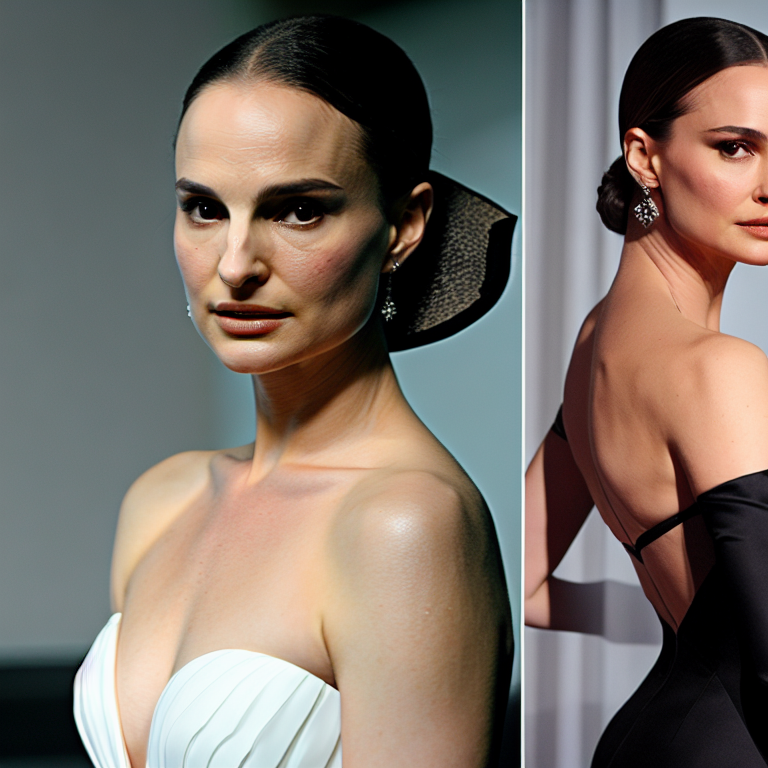
    One of the most telling costume moments happens during the club scene. Nina wears a black dress that’s completely unlike anything she’s worn before. It’s tight, sexy, and makes her look like a completely different person. This outfit represents her first real step into her “Black Swan” persona outside of the ballet studio. She’s trying on this new identity like it’s a costume, but she doesn’t quite know how to wear it yet. She’s uncomfortable and awkward, just like someone trying on clothes that don’t quite fit.

    The transformation becomes even more apparent when you compare her costumes to Lily’s. Lily’s wardrobe is bold and confident from the start – leather jackets, low-cut tops, and edgy accessories. She’s comfortable in her own skin, while Nina is constantly trying to cover herself up. As Nina becomes more comfortable with her dark side, her clothing starts to mirror Lily’s style more closely. This visual parallel suggests that Nina is literally trying to become Lily, or at least the version of herself that she sees in Lily.

    During the rehearsal scenes, pay attention to how Nina’s practice clothes change. Early on, she wears full-length tights and long-sleeve leotards that cover her completely. But as she embraces her sensuality for the Black Swan role, her practice outfits become more revealing. She switches to cut-off shorts and tank tops that show more skin. This isn’t just about comfort or practicality – it’s about her becoming more comfortable in her own body and with her own desires.

    The color palette of Nina’s costumes follows a clear progression throughout the film. She starts in whites and pinks, moves through grays and beiges, and eventually ends up in blacks and deep reds. This color journey mirrors her psychological journey from innocence to experience, from repression to expression. The final act of the film sees her wearing almost entirely black, symbolizing that she’s fully embraced her dark side – for better or worse.

    Even her dance costumes tell this story. The White Swan costume is all ethereal layers and soft fabrics, while the Black Swan costume is sleek, sharp, and slightly dangerous-looking. The transformation between these two costumes on stage mirrors the transformation Nina undergoes throughout the entire film. When she finally performs the Black Swan perfectly, her costume is complete – she’s become the character both physically and mentally.

    The attention to detail in these costume changes is remarkable. Small things like the length of her sleeves, the neckline of her shirts, or the color of her tights all contribute to telling Nina’s story. It’s a masterclass in how costume design can be used not just for aesthetics, but as a storytelling tool that works on a subconscious level.

    This approach to costume design is similar to how Mad Max: Fury Road uses color to tell the story, but instead of painting entire landscapes, Black Swan paints its main character in subtle shades of transformation. Every piece of clothing is carefully chosen to reflect where Nina is in her journey, creating a visual map of her descent into madness that most viewers only notice on a subconscious level.

    The final costume moment in the film is particularly powerful. After she’s injured herself and knows she might never dance again, Nina is still wearing her Black Swan costume. This final image tells us that she’s become the Black Swan completely – it’s no longer just a role she’s playing, it’s who she is. The costume has become her skin, and there’s no going back to who she was before.

    What makes this costume work so effective is that it’s never flashy or obvious. Unlike some films that use costume changes as major plot points, Black Swan lets these transformations happen quietly in the background. You might not even notice them while you’re watching, but they’re working on your brain the whole time, telling you Nina’s story through fabric and color instead of dialogue.

    This subtle approach to costume storytelling is part of what makes Black Swan such a rich film to analyze. Every time you watch it, you notice new details in the costumes that reveal more about Nina’s psychological state. It’s like peeling back layers of an onion – each viewing reveals another level of meaning in what she’s wearing and why.

    The costume design in Black Swan is a perfect example of how every element of filmmaking can work together to tell a deeper story. Just like how editing tricks in Pulp Fiction keep you hooked by playing with time and perspective, the costumes in Black Swan keep you engaged by visually tracking a character’s mental breakdown without ever having to explain it directly.

    If you pay close attention to Nina’s costumes throughout the film, you’ll see her entire psychological journey laid out in fabric and color. From the innocent pink sweaters of her early scenes to the dark, dangerous black of her final performance, every piece of clothing tells us exactly where she is on her path to becoming – and being consumed by – the Black Swan.

  • How ‘Whiplash’ Uses Sound to Build Tension: A Deep Dive

    Have you ever watched a movie where the music itself becomes a character? That’s exactly what happens in “Whiplash,” where sound design transforms from background noise into a weapon of psychological warfare. The 2014 film about a young jazz drummer and his abusive music teacher uses audio in ways that will make your heart race and palms sweat. Let me show you how director Damien Chazelle turned sound into one of the most terrifying elements of this psychological thriller disguised as a music drama.

    The genius of “Whiplash” lies in how it weaponizes everyday sounds. From the moment Andrew Neiman sits behind his drum kit, every cymbal crash and snare hit carries the weight of a punch. The film doesn’t just use music to set mood—it uses it to torture, motivate, and ultimately break its characters. This isn’t your typical feel-good music movie where montages show gradual improvement. Instead, every beat becomes a potential failure, every rhythm a test of survival.

    What makes this approach so effective is how it mirrors real musical performance anxiety. When you’re on stage, every mistake feels amplified, every missed beat echoes in your ears. “Whiplash” takes that natural tension and cranks it up to eleven. The sound design makes you feel like you’re sitting in that practice room with Andrew, feeling every ounce of pressure that Fletcher dishes out.

    The film’s sound strategy works on multiple levels. First, there’s the obvious musical tension—the pressure of performing complex rhythms perfectly. But then there’s the psychological layer, where silence becomes just as threatening as the loudest cymbal crash. Fletcher’s quiet moments are often more terrifying than his screaming fits, and the sound design knows exactly when to let silence speak volumes.

    ###SLUG_START###
    whiplash-sound-design-analysis

    ###IMAGEPROMPTSTART###
    A close-up shot of a jazz drummer’s hands gripping drumsticks tightly, beads of sweat visible, intense concentration on blurred background, dramatic lighting highlighting the tension in his knuckles and forearms, symbolizing the physical and mental pressure of performance
    ###IMAGEPROMPTEND###

    ###CONTENT_START###

    ###SECTION 1: The Power of Silence and Sudden Sound

    One of the most brilliant aspects of “Whiplash” sound design is how it uses silence as a weapon. Before Andrew’s first encounter with Fletcher, the practice room is filled with the steady rhythm of drums. When Fletcher enters, everything stops. That sudden silence isn’t just empty space—it’s loaded with anticipation. Your ears strain to hear what comes next, and when Fletcher finally speaks, his voice cuts through the quiet like a knife.

    This technique appears throughout the film. During the major competition scenes, the moments between Fletcher’s instructions become unbearable. The audience knows something terrible could happen at any second, and the sound design amplifies that tension by stripping away background noise. When the music finally explodes back in, it feels like a release valve opening after building pressure.

    The film also uses sudden loud sounds to shock the audience into Andrew’s perspective. When Fletcher throws a chair, the sound isn’t just loud—it’s distorted, almost painful to hear. This makes you feel Andrew’s fear viscerally. You’re not just watching someone get scared; you’re experiencing that shock yourself through the audio.

    Research in film sound psychology shows that unexpected loud noises trigger our fight-or-flight response. “Whiplash” exploits this biological reaction constantly. Every time Fletcher slams his hand on the piano or shouts unexpectedly, your body reacts before your brain can process what’s happening. This physical response makes the tension feel real and immediate.

    ###SECTION 2: Amplifying the Physical Toll of Music

    “Whiplash” doesn’t romanticize musical performance—it shows the brutal physical cost. The sound design makes you feel every blister, every drop of sweat, every moment of exhaustion. When Andrew practices alone, the microphones seem to be inside his drum kit, inches from the skins. You hear the texture of the sticks hitting the drums, the subtle variations in pressure, the way his hands must be bleeding.

    This hyper-realistic sound approach continues during Andrew’s physical breakdown. As his hands bleed onto the drums, the sound of blood hitting cymbal metal is sickeningly specific. You can almost smell the copper and feel the sting. The film makes you experience music as both art and violence, where creating beauty requires physical sacrifice.

    The editing of sound during practice montages is particularly clever. Instead of showing gradual improvement, the audio shows Andrew pushing past pain barriers. You hear his breathing get heavier, his rhythm get sloppier, then suddenly cleaner as he powers through. This audio journey tells the story of his determination without needing dialogue or visual cues.

    ###SECTION 3: Fletcher’s Voice as a Weapon

    J.K. Simmons’ performance as Fletcher is terrifying, but the sound design makes it even more menacing. His voice isn’t just loud—it’s mixed to feel like it’s coming from inside your head. During confrontations, Fletcher’s words seem to echo in the small practice rooms, making the space feel claustrophobic. The reverb on his voice makes every insult feel like it’s bouncing off the walls and back into Andrew’s skull.

    The film also plays with distance and proximity in interesting ways. When Fletcher is far away, his voice might be muffled, but you can still hear every word clearly. This creates a sense that he’s always listening, always aware. Even when he’s not physically present, his voice haunts the audio landscape of the film.

    There’s a particular scene where Fletcher whispers something to Andrew during a performance. The sound mixing makes this whisper feel intimate and threatening at the same time. You can barely hear the words, but they carry enormous weight. This shows how “Whiplash” uses audio dynamics to create different types of tension—sometimes it’s loud and explosive, other times it’s quiet and suffocating.

    ###SECTION 4: The Competition as Audio Battleground

    The competition scenes in “Whiplash” are masterclasses in building tension through sound. Each performance starts with a false sense of security—the familiar rhythm, the organized chaos of a jazz band. But underneath, the sound design plants seeds of doubt. You hear slight tempo changes, missed cues, the sound of someone breathing too hard.

    During the final competition, the sound becomes almost unbearable. As Andrew tries to keep the band together after Fletcher’s betrayal, every instrument seems to be fighting him. The sound mixing makes it feel like the entire band is against him, their instruments creating a wall of noise he has to break through. When he finally takes control and the music explodes, it’s not just a musical victory—it’s an audio triumph over chaos.

    The film uses crowd reactions brilliantly too. During performances, you hear scattered applause, whispers, someone coughing—all the small sounds that make a live performance feel real and vulnerable. These background noises remind you that Andrew is being judged, that every mistake is being heard by real people who could destroy his future with their reactions.

    ###SECTION 5: Breaking the Rules of Musical Soundtracks

    Most musical films use their soundtracks to enhance emotion or guide the audience’s feelings. “Whiplash” does the opposite—it uses music to create discomfort and anxiety. The jazz pieces aren’t soothing or beautiful in the traditional sense. They’re aggressive, complex, and often sound like they’re about to fall apart.

    The sound mixing during band rehearsals is particularly effective. You hear every instrument clearly, but they don’t blend into a harmonious whole. Instead, they compete for space in the audio landscape. This creates a sense of chaos and lack of control that mirrors Andrew’s psychological state. The music itself becomes a source of tension rather than relief.

    When Andrew finally performs his solo at the end, the sound design makes it feel like he’s fighting the music as much as playing it. The drums don’t sound polished or professional—they sound desperate and angry. This subversion of musical expectations makes the final performance feel more like a battle than a concert, which is exactly what the film has been building toward.

    ###SECTION 6: The Psychological Impact of Repetitive Sound

    Repetition is a key tool in “Whiplash’s” sound arsenal. Fletcher makes Andrew play the same rhythms over and over, and the film makes you hear those repetitions. What starts as a simple beat becomes increasingly oppressive with each repeat. Your mind starts to rebel against the monotony, just as Andrew’s body rebels against the physical demands.

    This technique is particularly effective during the practice scenes where Andrew plays until his hands bleed. The sound of the same rhythm, slightly different each time, creates a hypnotic effect. You begin to feel the mental exhaustion that comes from endless repetition. The film uses this audio fatigue to make you empathize with Andrew’s psychological breakdown.

    The final scene uses repetition differently. Andrew’s solo starts as a statement of defiance, but as he continues, the repetition becomes a display of mastery. The sound design shows how he’s internalized the rhythm so completely that he can bend it to his will. This transformation of repetitive sound from torture to triumph provides the emotional payoff for enduring the audio tension throughout the film.

    ###SECTION 7: Sound as Character Development

    Throughout “Whiplash,” the evolution of Andrew’s drumming sound mirrors his character development. In the beginning, his playing is tentative and unsure—you can hear the hesitation in how he strikes the drums. As he becomes more confident (or more obsessive), his sound becomes more aggressive and precise. The audio tells his story of transformation even when the visuals show him doing the same basic actions.

    Fletcher’s sound presence also evolves. Early in the film, his voice is sharp and unpredictable. As the story progresses, you begin to hear patterns in his abuse—certain phrases, certain ways of delivering criticism. This audio consistency makes him feel more like a force of nature than a human being, which increases his terrifying presence.

    The relationship between Andrew and Fletcher is also reflected in how their sounds interact. When they’re in conflict, their audio spaces feel separate—Fletcher’s voice cuts through, but Andrew’s drumming feels isolated. When they achieve moments of understanding, their sounds begin to complement each other, creating brief moments of audio harmony in an otherwise discordant relationship.

    ###SECTION 8: The Final Performance as Audio Climax

    The ending of “Whiplash” is a masterpiece of sound design tension. Andrew starts alone, his drums sounding raw and exposed. As the band joins in, the sound builds layer by layer, creating a sense of controlled chaos. The mixing makes you feel like you’re in the audience, experiencing the performance’s energy while also being inside Andrew’s head, feeling his focus and determination.

    What makes this final sequence so effective is how it subverts all the audio tension that came before. Throughout the film, music has been a source of pressure and fear. In the final performance, Andrew reclaims that sound. The drums that once terrified him become instruments of his liberation. The sound design shows this transformation by making his playing feel powerful rather than desperate.

    The very last moments of the film are particularly brilliant. As Andrew plays his final solo, the sound seems to expand beyond the confines of the performance space. The audio feels bigger, more confident, more alive than anything we’ve heard before. This sonic liberation provides the emotional release that the audience has been craving throughout the film’s tension-filled journey.

    ###SLUG_START###
    whiplash-sound-design-techniques

    ###IMAGEPROMPTSTART###
    An intense close-up of a drum cymbal with water droplets spraying off during a powerful strike, dramatic side lighting creating texture on the metal surface, capturing the raw energy and violence of musical performance, symbolizing the physical toll of artistic perfection
    ###IMAGEPROMPTEND###

    ###CONTENT_START###

    ###FREQUENTLY ASKED QUESTIONS###

    Q: How did the sound designers create such realistic drumming sounds in Whiplash?

    A: The sound team used multiple microphones placed extremely close to the drums to capture every detail of the sticks hitting the skins. They recorded Miles Teller actually playing the drums, then enhanced those recordings with studio techniques to make every hit feel visceral. The proximity effect of the microphones made the drums sound like they were in your living room, creating an intimate and intense audio experience.

    Q: Why does Whiplash make me feel so physically uncomfortable while watching?

    A: The film’s sound design intentionally triggers your fight-or-flight response through sudden loud noises, claustrophobic audio mixing, and the physical sounds of pain and exhaustion. When you hear Andrew’s hands bleeding or Fletcher’s voice echoing in small rooms, your body reacts as if you’re experiencing those things yourself. This immersive audio approach makes the tension feel real and physical.

    Q: How does the sound in Whiplash differ from other music movies?

    A: Unlike traditional music films that use soundtracks to create emotional warmth, Whiplash uses music to create anxiety and discomfort. The jazz pieces are mixed to sound aggressive and unstable rather than beautiful. The sound design focuses on the physical and psychological toll of music rather than its artistic beauty, making it feel more like a horror film than a musical drama.

    Q: What role does silence play in building tension in Whiplash?

    A: Silence in Whiplash is just as important as sound. The moments between Fletcher’s outbursts or before musical performances are loaded with anticipation. These quiet moments make the audience strain to hear what comes next, creating psychological tension that’s often more effective than loud sounds. The strategic use of silence makes the sudden noises much more shocking and impactful.

    Q: How did the filmmakers use sound to show Andrew’s character development?

    A: Andrew’s drumming sound evolves throughout the film to reflect his psychological journey. Early on, his playing sounds hesitant and unsure. As he becomes more obsessive, his sound becomes more aggressive and precise. The final performance shows him reclaiming the music, with his drums sounding powerful and confident rather than desperate. This audio evolution tells his character arc without needing explicit dialogue.

    Q: Why does Fletcher’s voice sound so terrifying in the film?

    A: The sound mixing makes Fletcher’s voice feel like it’s coming from inside your head rather than from a distance. The reverb and proximity effects make his insults echo in small spaces, creating a claustrophobic feeling. Even when he’s far away, you can hear every word clearly, suggesting he’s always listening and watching. This audio omnipresence makes him feel like an unstoppable force rather than just a person.

    ###SLUG_START###
    whiplash-audio-tension-analysis

    ###IMAGEPROMPTSTART###
    A dramatic overhead shot of a jazz band performance from the drummer’s perspective, blurred musicians in background, focused spotlight on drum kit, smoke and atmospheric lighting creating tension, capturing the pressure and intensity of live musical performance
    ###IMAGEPROMPTEND###

    ###CONTENT_START###

    ###CONCLUSION###

    “Whiplash” demonstrates how sound design can transform a film from a simple story into a visceral experience. By weaponizing everyday noises, amplifying physical sounds, and using silence as effectively as music, the film creates tension that goes beyond visual storytelling. Every cymbal crash, every whispered threat, every moment of quiet becomes part of a larger audio assault that puts you in Andrew’s headspace.

    The genius of “Whiplash” sound design lies in its specificity. It doesn’t just make things loud or quiet—it makes you feel the texture of drumsticks on bleeding hands, the echo of insults in small rooms, the pressure of being judged by every cough in the audience. This attention to audio detail is what elevates “Whiplash” from a good film to an unforgettable experience.

    What makes this approach so effective is how it mirrors the psychological reality of performance anxiety. When you’re under extreme pressure, every sound becomes amplified, every mistake echoes endlessly in your mind. “Whiplash” captures this mental state through its audio design, making the audience feel the same tension and fear that drives its characters to the brink of destruction.

    The film’s sound strategy also serves its themes perfectly. Just as Fletcher pushes his students to physical and mental extremes in pursuit of perfection, the sound design pushes the audience to experience that same pressure. You don’t just watch Andrew’s breakdown—you feel it in your bones through the audio. This immersive approach makes “Whiplash” one of the most effective examples of how sound can build tension in modern cinema.

    For filmmakers and sound designers, “Whiplash” offers valuable lessons about the power of audio storytelling. It shows how silence can be as powerful as sound, how everyday noises can become terrifying when used strategically, and how music can be used to create anxiety rather than comfort. These techniques can be applied to any genre, not just music films or thrillers.

    The next time you watch “Whiplash,” pay attention to what you’re hearing, not just what you’re seeing. Notice how the sound changes during different emotional moments, how silence builds anticipation, how the music itself becomes a character in the story. You’ll discover that the film’s true genius lies not just in its performances or direction, but in how it uses sound to make you feel every ounce of pressure, every moment of fear, every beat of that relentless rhythm.

    Sound design in “Whiplash” isn’t just technical expertise—it’s emotional manipulation at its finest. And that’s what makes it such a powerful example of how audio can build tension, create empathy, and transform a good film into an unforgettable experience that stays with you long after the final cymbal crash fades away.
    ###CONTENT_END
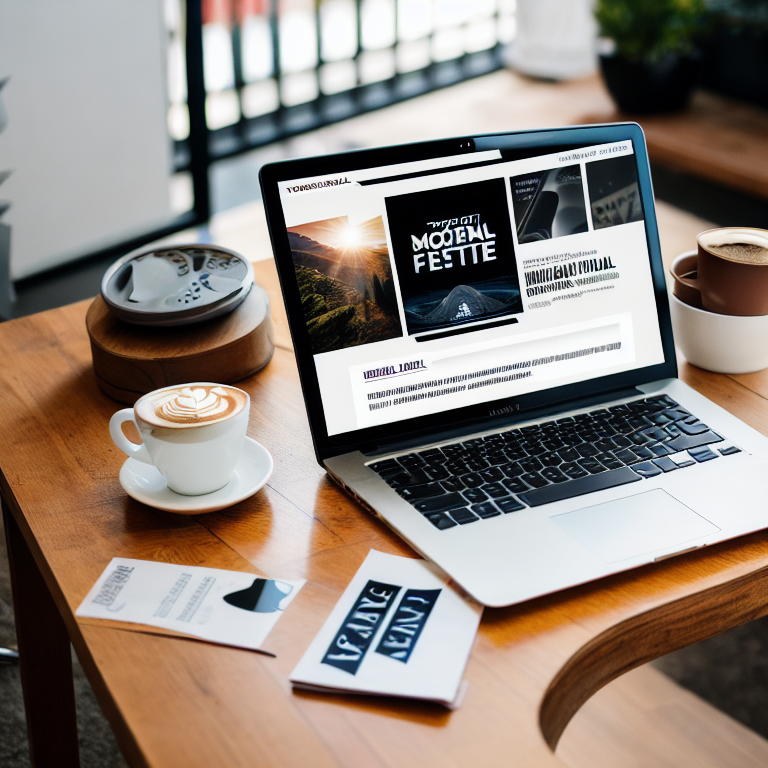
  • The Clever Editing Tricks in ‘Pulp Fiction’ That Keep You Hooked

    The Clever Editing Tricks in ‘Pulp Fiction’ That Keep You Hooked

    Have you ever watched a movie where the scenes seem all mixed up, yet somehow it works perfectly? That’s exactly what happens in Pulp Fiction, the 1994 crime film that changed how movies tell stories. The editing in this movie isn’t just about cutting scenes together – it’s a clever puzzle that keeps you guessing and watching closely.

    When Pulp Fiction hit theaters, people couldn’t stop talking about how different it felt. The story jumps around in time, characters pop up in unexpected places, and scenes that seem unrelated suddenly connect in surprising ways. But why does this work so well? Let’s dive into the editing tricks that make this movie so addictive to watch.

    The Non-Linear Timeline Magic

    One of the most famous editing tricks in Pulp Fiction is its scrambled timeline. Instead of telling the story from beginning to end, the movie jumps between different moments in time. You might see the ending of a story before you see the beginning, then jump to the middle of another story.

    This technique works because it creates mystery. When you see Jules and Vincent alive after their famous “divine intervention” scene, you’re left wondering how they got there. The editing makes you pay attention to every detail, trying to piece together when each scene happens. It’s like solving a puzzle while watching the movie.

    The non-linear structure also lets the movie explore themes in interesting ways. By showing consequences before causes, the film makes you think about fate, choices, and how actions connect across different stories. This isn’t just random scrambling – every jump in time serves a purpose.

    Cross-Cutting Between Stories

    Another clever trick is how the movie cuts between different storylines. While one story is happening with Vincent and Mia, the movie might suddenly cut to Butch’s story or Jules and Vincent’s morning routine. These cuts aren’t random – they often happen at moments of tension or important decisions.

    The cross-cutting creates a rhythm that keeps you engaged. Just when one story gets intense, you’re pulled into another one. This prevents any single storyline from becoming boring and maintains a constant sense of energy throughout the movie. It’s like channel surfing between the most interesting parts of different shows.

    Sometimes the cross-cutting reveals connections between stories that you didn’t expect. A character from one storyline might appear briefly in another, or an object might show up in multiple places. These connections reward careful viewing and make the movie feel like a complete world rather than separate stories.

    The Power of Dialogue Scenes

    Pulp Fiction is famous for its long, dialogue-heavy scenes, and the editing plays a crucial role in making these work. Instead of quick cuts between speakers, many scenes use long takes that let conversations unfold naturally. This gives the dialogue room to breathe and lets the actors’ performances shine.

    However, when cuts do happen in dialogue scenes, they’re often meaningful. A cut might emphasize a character’s reaction, highlight an important object, or create a sudden shift in mood. The editing in these scenes is subtle but powerful, guiding your attention without being obvious about it.

    The movie also uses editing to create tension in dialogue scenes. A character might be talking casually while the editing suggests something dangerous is about to happen. This contrast between what characters say and what the editing shows creates suspense that keeps you on edge.

    Freeze Frames and Chapter Breaks

    Throughout Pulp Fiction, you’ll notice freeze frames and title cards that divide the movie into chapters. These aren’t just stylistic choices – they’re editing tools that help organize the non-linear story. Each chapter title gives you a clue about what’s coming and helps you understand where you are in the timeline.

    The freeze frames often happen at moments of decision or revelation. When a character realizes something important or makes a choice that will change everything, the movie might freeze on their face. This gives you time to process what’s happening and emphasizes the importance of that moment.

    These chapter breaks also give the movie a novel-like quality. Instead of feeling like one continuous story, Pulp Fiction feels like a collection of connected short stories. The editing helps create this structure while maintaining the flow between different parts of the narrative.

    Sound Design and Music Editing

    The editing in Pulp Fiction isn’t just about visuals – the sound design and music play a huge role too. Songs are edited to start and stop at precise moments that match the action on screen. A song might begin exactly when a character enters a room or cut off suddenly during a tense moment.

    The sound editing also helps connect different scenes and storylines. You might hear a sound from one scene continue into the next, creating a bridge between different parts of the story. This technique makes the movie feel cohesive even when the timeline is scrambled.

    Music choices are carefully edited to enhance the mood of each scene. Upbeat songs might play during violent moments, creating an unsettling contrast. The editing of sound and music works together with the visual editing to create the movie’s unique tone.

    The Opening and Closing Circle

    One of the most brilliant editing choices in Pulp Fiction is how it circles back to its beginning. The movie opens and closes with the same scene – a conversation in a diner that takes on completely different meaning the second time you see it. This circular structure is only possible because of careful editing.

    When you watch the opening scene again at the end, you notice details you missed the first time. The editing makes you realize how much has changed for the characters and how their choices have led them back to this moment. It’s a satisfying payoff that rewards watching the entire movie.

    This circular structure also reinforces the movie’s themes about fate and choices. The same moment can have different meanings depending on what comes before and after it. The editing makes you think about how time and perspective change our understanding of events.

    Creating Tension Through Editing

    Pulp Fiction uses editing to build tension in unique ways. Instead of showing you everything that’s happening, the movie might cut away at crucial moments or show only part of a scene. This leaves you to imagine what’s happening, which can be more suspenseful than actually seeing it.

    The editing also controls the pace of tense moments. A scene might start with long, slow takes that build anticipation, then switch to quick cuts during action. This variation in editing rhythm keeps you engaged and makes the tension feel more real.

    Sometimes the editing creates tension by showing you information that characters don’t have. You might see something dangerous approaching while a character remains unaware, creating dramatic irony that makes the scene more intense.

    The Importance of Reaction Shots

    Reaction shots are a key part of Pulp Fiction’s editing style. When something important happens, the movie often cuts to show how different characters react. These shots might seem simple, but they’re crucial for understanding character relationships and emotional beats.

    The timing of reaction shots is carefully planned. A cut to a character’s face at the right moment can convey volumes about what they’re thinking or feeling. These shots also help you understand the relationships between characters by showing how they respond to each other.

    Reaction shots in Pulp Fiction often reveal more than dialogue does. A character might say one thing while their face shows something completely different. The editing makes sure you see these contradictions, adding layers of meaning to every scene.

    Frequently Asked Questions (FAQ)

    Why does Pulp Fiction tell its story out of order?

    The non-linear structure serves multiple purposes. It creates mystery and engagement by making viewers piece together the timeline. It also allows the movie to explore themes of fate and consequence in interesting ways, showing how different characters’ stories intersect across time.

    How did the editing affect Pulp Fiction’s success?

    The innovative editing was crucial to the film’s impact. It made the movie feel fresh and different from anything else at the time. The editing style also encouraged repeat viewings, as audiences wanted to watch again to catch connections they missed the first time.

    What editing software was used for Pulp Fiction?

    Pulp Fiction was edited using traditional film editing techniques on a Steenbeck flatbed editor. This hands-on approach allowed the editors to physically cut and arrange the film reels, which influenced the movie’s unique pacing and structure.

    How long did the editing process take?

    The editing process for Pulp Fiction took several months, with director Quentin Tarantino and editor Sally Menke working closely to perfect the film’s rhythm and structure. They experimented with different arrangements of scenes before settling on the final non-linear format.

    What makes the dialogue scenes work so well?

    The success of dialogue scenes comes from a combination of factors: long takes that let conversations breathe, strategic cuts that emphasize important moments, and careful attention to pacing. The editing ensures that even long conversations maintain viewer interest.

    How does the editing contribute to the movie’s humor?

    Much of Pulp Fiction’s humor comes from editing choices that create contrast or emphasize awkward moments. Quick cuts between serious and ridiculous situations, or holding on a character’s confused reaction, often generate the biggest laughs.

    Conclusion

    The editing tricks in Pulp Fiction aren’t just technical achievements – they’re essential to why the movie works so well. From the scrambled timeline to the careful use of reaction shots, every editing choice serves the story and themes. The movie proves that editing isn’t just about cutting scenes together; it’s about creating meaning and emotion.

    What makes these editing tricks so effective is how invisible they are. You might not notice them while watching, but they shape your entire experience of the film. The next time you watch Pulp Fiction, pay attention to the editing. You’ll discover new layers of meaning and appreciate how much craft went into making this modern classic.

    The influence of Pulp Fiction’s editing can be seen in countless movies that followed. Its success showed filmmakers that audiences are ready for more complex storytelling structures. But few movies have matched the perfect balance of innovation and entertainment that Pulp Fiction achieves through its clever editing.

  • Why The Shining Hallways Feel So Unsettling

    You’ve felt it before. That strange, creeping unease that washes over you when Danny rides his Big Wheel through the empty corridors of the Overlook Hotel. Something about those hallways just feels wrong, even before anything scary happens. But what exactly makes these spaces so psychologically unsettling?

    The truth is, Stanley Kubrick crafted these hallways with incredible precision, using architecture, color, lighting, and sound to create an environment that messes with your mind. Let’s explore the specific techniques that make The Shining’s hallways some of the most disturbing spaces ever captured on film.

    The Power of Impossible Architecture

    One of the biggest reasons these hallways feel so strange is that they break basic rules of architecture. The layout of the Overlook Hotel doesn’t actually work if you try to map it out. Rooms that should be next to each other are impossibly far apart. Windows appear where exterior walls should be. Hallways lead to places they couldn’t possibly reach.

    This architectural impossibility creates what psychologists call “cognitive dissonance” – your brain knows something is wrong, but it can’t quite figure out what. When your mind struggles to understand a space, it creates anxiety and discomfort. You feel lost even when you’re standing still.

    The hotel’s designer, Stanley Kubrick, intentionally made the floor plan confusing. He wanted viewers to feel disoriented, just like the characters trapped inside. This technique is similar to how horror video games use maze-like designs to create tension, except Kubrick did it on a massive cinematic scale.

    Color Psychology and Visual Tension

    The color choices in The Shining’s hallways are absolutely deliberate and deeply unsettling. The famous carpet pattern uses bold reds, oranges, and browns in geometric designs that create visual chaos. These warm colors typically feel cozy and inviting, but when used in such aggressive patterns, they become overwhelming and aggressive.

    The walls are painted in pale greens and yellows – colors that should feel fresh and clean. But in the context of the hotel’s decay and isolation, these colors take on a sickly, institutional quality. They remind you of hospitals or mental asylums, places associated with illness and confinement.

    The contrast between the bright carpet and pale walls creates visual vibration. Your eyes can’t rest anywhere, constantly jumping between patterns and surfaces. This visual tension translates directly into psychological tension. You can’t relax your gaze, so you can’t relax your mind.

    Lighting That Creates Fear

    The lighting in these hallways is perhaps the most crucial element in creating unease. Kubrick used a technique called “practical lighting” – meaning most of the light comes from actual fixtures within the scene, like wall sconces and overhead lights.

    These lights create harsh shadows and uneven illumination. Some areas are brightly lit while others fall into deep darkness. This uneven lighting makes it impossible to see clearly down the entire hallway. You’re always aware that something could be hiding just outside the light’s reach.

    The quality of light is also important. The fixtures have a yellowish, artificial quality that feels unnatural. They don’t provide the warm, comforting glow you’d expect from hotel lighting. Instead, they create a sterile, clinical atmosphere that feels more like a laboratory than a hotel.

    Sound Design Creates Invisible Walls

    Sound plays a massive role in making these hallways feel threatening. The famous scene where Danny rides his tricycle through the halls demonstrates this perfectly. The sound of the wheels changes dramatically as he moves from carpet to hardwood floors – click, clack, click, clack.

    This sound design creates an auditory map of the space. You become hyper-aware of every surface and every turn. The echoes in the empty halls make the space feel larger than it appears. Sometimes you hear sounds that shouldn’t exist – distant music, whispers, or mechanical noises.

    These audio elements create what’s called “sensory disorientation.” When your ears tell you one thing and your eyes tell you another, your brain gets confused. This confusion creates anxiety and makes you feel vulnerable, as if you’re being watched or followed.

    The Psychology of Empty Space

    Empty spaces can be more frightening than spaces filled with monsters. The hallways in The Shining are almost always completely empty of people, which creates a profound sense of isolation. Your mind starts to imagine what could be there, filling the emptiness with potential threats.

    This relates to a psychological concept called “autophobia” – the fear of being alone. Even if you’re not normally afraid of being by yourself, these hallways trigger that primal fear. The vast, empty corridors suggest abandonment and decay. You feel like you shouldn’t be there, that you’re intruding on somewhere abandoned.

    The scale of the hallways also matters. They’re often wider and taller than necessary for a hotel. This exaggerated scale makes humans feel small and insignificant. You’re aware of how tiny you are compared to the massive structure surrounding you.

    Symmetry and the Uncanny Valley

    Many of the hallway shots use perfect symmetry – the same elements mirrored on both sides. While symmetry usually feels balanced and pleasing, in these contexts it creates something called the “uncanny valley” effect. Things that should feel right but feel slightly wrong.

    The symmetrical compositions in The Shining often feature a door or hallway in the exact center of the frame. This should feel organized, but instead it feels artificial and unsettling. It’s too perfect, too controlled. This perfection feels unnatural in what should be a lived-in, imperfect space.

    This technique relates to how horror games use symmetry to create tension. When environments feel too orderly or too perfect, they trigger our suspicion. We know that perfect order rarely exists in nature, so we become alert for hidden dangers.

    Time Distortion and Eternal Spaces

    The hallways in The Shining seem to exist outside of normal time. There are no windows showing day or night. The lighting never changes. This creates a sense that time has stopped or become meaningless within these spaces.

    This time distortion relates to the film’s themes about past and present bleeding together. The hallways become a space where all times exist simultaneously. You feel like you could encounter someone from any era – a 1920s party guest or a future visitor who hasn’t arrived yet.

    This eternal quality makes the hallways feel haunted even before any ghosts appear. They’re spaces where normal rules don’t apply. Time moves differently, if it moves at all. This timelessness creates existential anxiety – the fear of being trapped in a space that never changes.

    Related Cinematic Techniques

    The techniques used in The Shining’s hallways have influenced countless other films and shows. For example, the way Parasite uses vertical space to show class divide creates similar feelings of unease through architectural storytelling. The vertical separation in Parasite creates tension just as the impossible layouts in The Shining do.

    Similarly, Mad Max: Fury Road uses color to tell the story, creating visual tension through deliberate color choices. The way Kubrick uses color in the Overlook’s hallways to create psychological discomfort mirrors how modern films use color to guide emotional responses.

    Even animated films have adopted these techniques. The surprising success of animated movies in 2023 shows how visual storytelling continues to evolve, with many modern animated films using architectural and color techniques inspired by horror classics like The Shining.

    Why This Matters for Modern Filmmaking

    Understanding how The Shining’s hallways create unease helps explain why certain spaces in modern films feel threatening even when nothing scary is happening. Directors study these techniques and apply them to create tension in all kinds of stories, not just horror.

    The way streaming services are changing movie theater attendance has also affected how directors use space. With more people watching on smaller screens, filmmakers must create visual tension that translates across all viewing formats. The psychological techniques used in The Shining’s hallways work whether you’re watching on a massive theater screen or a phone.

    These techniques also relate to how movie reviews really affect box office numbers. Critics often praise films that use space and architecture effectively to create mood and tension. Understanding the psychology behind these techniques helps both filmmakers and critics appreciate when a film succeeds at creating atmosphere.

    The Lasting Impact on Horror

    The Shining established many techniques that modern horror films still use. The way it uses architecture, color, and sound to create unease without relying on jump scares has influenced an entire generation of filmmakers. This approach creates what’s called “atmospheric horror” – fear that builds slowly through environment rather than sudden shocks.

    This technique is particularly effective for indie films outperforming big studio blockbusters. Independent horror films often have smaller budgets, so they rely on psychological tension rather than expensive special effects. The Shining proved that you don’t need monsters to create fear – you just need spaces that make people feel uncomfortable.

    Even how social media makes or breaks movies at the box office shows the lasting impact of these techniques. Memorable, unsettling spaces from films like The Shining become iconic images that people share and discuss online, creating buzz that translates into box office success.

    Learning from the Masters

    Modern filmmakers continue to study how Kubrick created tension through space and architecture. Whether they’re making big-budget blockbusters or small indie films, understanding these psychological techniques helps create more effective horror and suspense.

    The way movie theaters are adapting to streaming competition has also led to renewed interest in films that use space effectively. When people choose to leave their homes to see a movie, they want an experience they can’t get at home. Films that use architecture and space creatively provide that unique theatrical experience.

    Even films that become box office flops often fail because they don’t create the kind of psychological tension that draws audiences in. Understanding how The Shining’s hallways create unease helps explain why some films succeed while others fail, regardless of their marketing budgets or star power.

    Frequently Asked Questions

    Why do the hallway patterns feel so hypnotic?

    The repeating geometric patterns in the carpet create what’s called “visual oscillation.” Your eyes can’t find a comfortable place to rest, so they keep moving across the pattern. This constant eye movement creates a mild hypnotic effect that makes you feel slightly disoriented and vulnerable.

    Could someone actually build the Overlook Hotel as shown in the film?

    No, the hotel’s layout is intentionally impossible. Rooms that should connect don’t. Windows appear on interior walls. Hallways lead to places they couldn’t physically reach. This architectural impossibility is deliberate – it creates the cognitive dissonance that makes the space feel wrong.

    How did Kubrick decide on the specific colors used?

    Kubrick worked with his cinematographer and production designer to choose colors that would create maximum psychological impact. The reds and oranges in the carpet are warm colors that typically feel energetic and alive, but in this context they feel aggressive and overwhelming. The pale greens and yellows of the walls create a sickly, institutional feeling.

    Why is the sound of Danny’s tricycle so important?

    The changing sounds as Danny moves from carpet to hardwood create an auditory map of the space. This sound design makes you hyper-aware of the environment and creates tension through contrast. The echoes in the empty halls also make the space feel larger and more threatening than it appears visually.

    Do other horror films use these same techniques?

    Yes, many modern horror films use similar techniques. The way Parasite uses vertical space to show class divide creates similar architectural tension. Many horror games also use impossible layouts and unsettling color schemes inspired by The Shining’s hallways.

    Can these techniques work in other genres besides horror?

    Absolutely. While these techniques are most common in horror, they can create tension and atmosphere in any genre. Thriller, drama, and even some comedies use architectural and color psychology to influence audience emotions and create specific moods.

    Conclusion

    The unsettling feeling you get from The Shining’s hallways isn’t accidental – it’s the result of careful psychological manipulation through architecture, color, lighting, and sound. Stanley Kubrick understood how spaces affect human psychology and used that knowledge to create environments that make viewers feel anxious and vulnerable even before anything scary happens.

    These techniques continue to influence filmmakers today, showing up in everything from big-budget blockbusters to small indie films. Understanding how The Shining’s hallways work helps explain why certain spaces in movies feel threatening and how directors use environment to create emotion.

    The next time you watch The Shining, pay attention to how you feel in those hallway scenes. Notice how your eyes can’t find a comfortable place to rest, how your ears pick up on subtle sound changes, and how your mind struggles to understand the impossible layout. That’s the power of good filmmaking – creating genuine psychological responses through careful design and technique.

    The Overlook Hotel’s hallways remain some of the most effective examples of environmental horror ever created, proving that sometimes the scariest thing isn’t what’s in the shadows – it’s the shadows themselves.

  • How ‘Mad Max: Fury Road’ Uses Color to Tell the Story

    How ‘Mad Max: Fury Road’ Uses Color to Tell the Story

    When you think about the movie ‘Mad Max: Fury Road’, what comes to mind first? Maybe the crazy car chases, the wild characters, or the amazing stunts. But there’s something else that makes this movie stand out – the colors. Director George Miller uses color in a smart way to tell the story without saying a word. Every color choice has a purpose, and together they create a visual language that helps us understand the characters, the world, and the emotions behind the action.

    The movie takes place in a harsh desert wasteland where water and resources are scarce. The colors reflect this – mostly browns, oranges, and dusty yellows. But then there are bursts of blue, green, and red that pop out and grab your attention. These aren’t random choices. Each color is carefully placed to guide your eye and your feelings through the story. It’s like the movie is speaking to you in a secret color code.

    Let’s dive into how ‘Mad Max: Fury Road’ uses color to tell its story. We’ll look at the meaning behind different colors, how they change as the story moves forward, and why this makes the movie so powerful. By the end, you’ll see this action-packed film in a whole new light – or should we say, a whole new color palette.