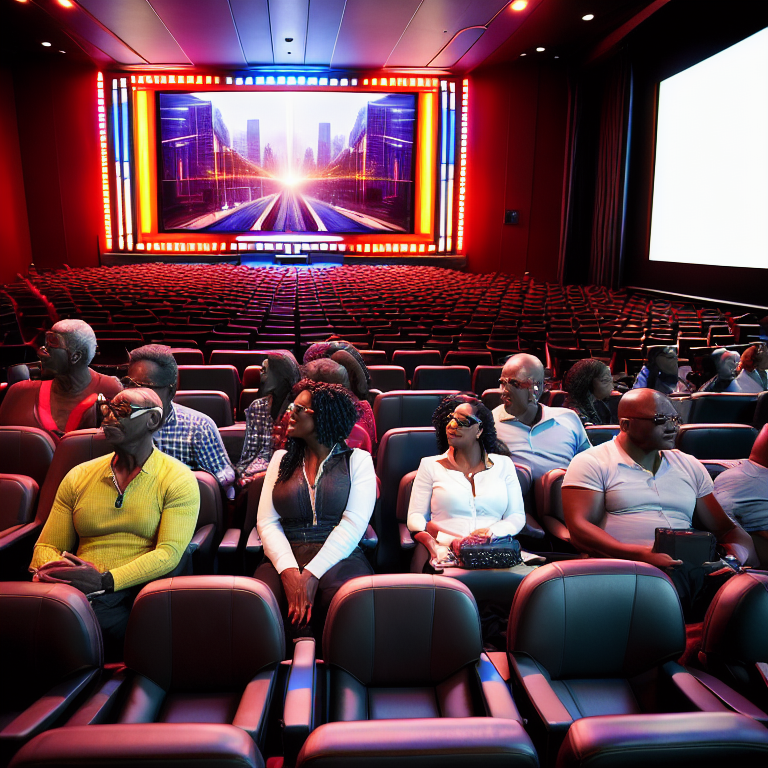
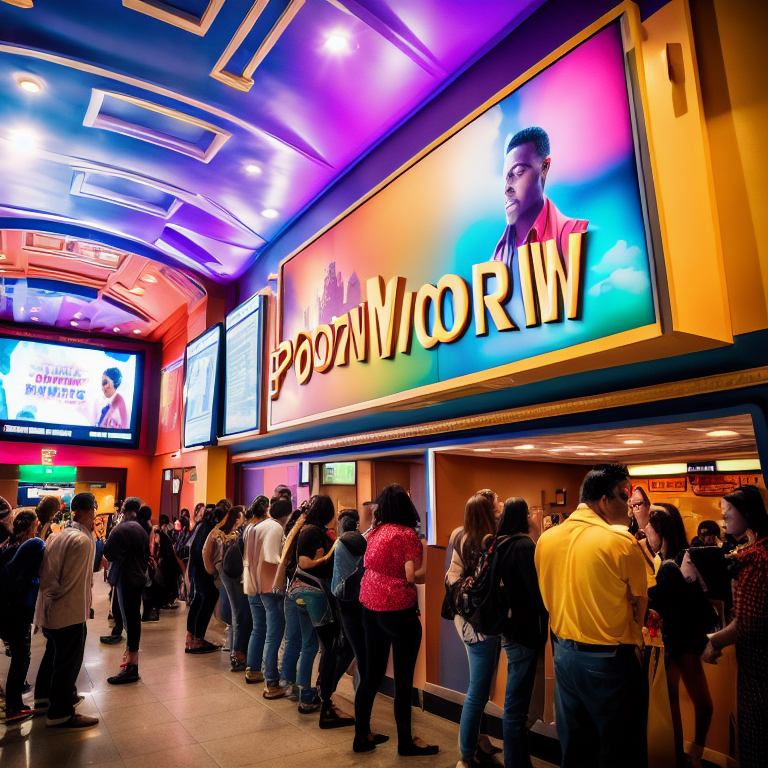
Social media has completely changed how movies succeed or fail at the box office. What once relied on newspaper ads and TV commercials now depends heavily on tweets, TikTok videos, and Instagram posts from fans and critics alike. A single viral moment can send ticket sales soaring, while negative buzz can kill a film’s chances before it even opens.
The relationship between social media and box office performance is fascinating because it works both ways. Movies create content for social platforms, and those platforms in turn drive people to theaters. This two-way street has become essential for Hollywood’s bottom line.
How Social Media Builds Pre-Release Buzz
The journey starts long before a movie hits theaters. Studios now treat social media as their primary marketing channel, often months or even years before release. They release teaser trailers, behind-the-scenes footage, and cast interviews specifically designed to be shared across platforms.
Marvel Studios mastered this approach with their superhero films. Before “Black Panther” released in 2018, fans were already creating fan art, sharing costume reveals, and debating theories online. This organic excitement translated directly into record-breaking opening weekend numbers.
The timing matters too. Studios carefully coordinate their social media campaigns to build momentum gradually. They might start with cryptic posts that spark curiosity, then release more substantial content as the release date approaches. This creates a snowball effect where each new piece of content gets more engagement than the last.
Viral Marketing Campaigns That Changed Everything
Some movies have achieved legendary status purely through clever social media campaigns. “The Blair Witch Project” in 1999 created one of the first viral marketing sensations, though social media as we know it didn’t exist yet. The filmmakers created fake websites and documents suggesting the movie was real found footage, sparking intense online debate.
More recently, “Barbie” (2023) dominated social media months before release. The marketing team created custom posters featuring Margot Robbie as Barbie in various careers, encouraging fans to share their favorites. This user-generated content created millions of free impressions and built massive anticipation.
The key to these successful campaigns is authenticity. When fans feel like they’re discovering something cool rather than being marketed to, they’re much more likely to share it. Studios that try too hard to manufacture viral moments often fail because audiences can spot the manipulation.
Real-Time Audience Reactions Shape Success
Social media has turned moviegoing into a shared experience that extends far beyond the theater. As soon as credits roll, people rush to post their reactions. These immediate responses can make or break a film’s opening weekend.
Consider how Rotten Tomatoes scores and Twitter reactions influenced “Justice League” (2017) versus “Zack Snyder’s Justice League” (2021). The original film faced harsh criticism online, which likely contributed to its disappointing box office. When the director’s cut released on HBO Max years later, positive buzz from dedicated fans helped it become a cultural moment despite being a streaming release.
Studios now monitor social media sentiment in real-time during opening weekends. If reactions are overwhelmingly positive, they might increase advertising spending to capitalize on the momentum. If reactions are poor, they may cut their losses and shift focus to the next release.
Influencer Marketing and Its Growing Power
Movie studios have discovered that traditional critics aren’t the only voices that matter anymore. Social media influencers with millions of followers can now drive significant ticket sales through their reviews and reactions.
Netflix understood this when they partnered with popular YouTubers to promote “Bird Box” in 2018. The influencers created reaction videos and memes that helped the movie become a massive hit, even though it bypassed theaters entirely. This success has led to similar campaigns for theatrical releases.
The authenticity factor remains crucial here. Audiences can tell when an influencer genuinely enjoyed a movie versus when they’re just reading a paid script. The most successful influencer campaigns happen when creators are given early access and allowed to share their honest opinions.
How Negative Social Media Buzz Can Destroy a Film
While positive social media attention can boost a movie, negative buzz can be devastating. Several high-profile flops in recent years suffered primarily due to poor social media reception.
“Ghostbusters” (2016) faced intense backlash on social media before release, with some of it stemming from sexist criticism of the all-female cast. This negative energy created a self-fulfilling prophecy where potential viewers decided to skip the movie based on the online discourse.
Similarly, “Cats” (2019) became a social media laughingstock when the trailer revealed bizarre CGI effects. The mockery continued through release, and the movie became one of the biggest box office bombs in recent memory. The studio couldn’t overcome the negative perception created online.
Social Media’s Role During the COVID-19 Pandemic
The pandemic fundamentally changed how movies use social media. With theaters closed, studios had to find new ways to generate excitement for streaming and VOD releases.
“Trolls World Tour” (2020) made headlines when Universal released it directly to digital platforms, earning nearly $100 million in its first three weeks. The success relied heavily on social media marketing targeting families stuck at home. Parents shared posts about finally having new content for their kids, creating organic buzz.
As theaters reopened, social media became even more crucial for convincing people it was safe to return. Studios emphasized health measures and created campaigns encouraging group viewings of long-awaited blockbusters like “No Time to Die” and “Top Gun: Maverick.”
The Data Behind Social Media and Box Office Performance
Research shows a clear correlation between social media engagement and box office success. Studies have found that movies with higher volumes of positive social media mentions tend to earn more domestically and internationally.
A fascinating analysis of the “Fast & Furious” franchise reveals how social media engagement grew with each installment. The earlier films had modest online presence, but by “Fast Five” and beyond, the cast’s social media activity and fan engagement directly correlated with increasing box office numbers.
The data also shows that different platforms serve different purposes. Twitter excels at real-time reactions and debates, Instagram works well for visual content and behind-the-scenes material, while TikTok has become crucial for reaching younger audiences through short, shareable clips.
International Markets and Social Media Strategy
Social media’s impact varies significantly across international markets. In China, for instance, platforms like Weibo and Douyin (the Chinese version of TikTok) are essential for marketing Hollywood films.
Marvel’s success in China demonstrates this perfectly. Before each Marvel release, the studio creates custom content for Chinese social media, including localized posters and specially edited trailers. This attention to local platforms has helped Marvel become one of the most successful Western franchises in China.
However, social media can also create challenges in international markets. Cultural differences mean that content going viral in one country might fall flat or even offend in another. Studios must carefully navigate these differences when crafting their global social media strategies.
Future Trends: Where Social Media and Movies Are Headed
Looking ahead, several trends suggest social media’s role in box office success will only grow stronger. One major development is the rise of social commerce, where platforms like Instagram and TikTok are adding direct purchasing features.
This could revolutionize movie ticketing, allowing people to buy tickets directly through social media posts or ads. Some theaters are already experimenting with this, and wider adoption could make the path from social media buzz to actual ticket sales much shorter.
Another trend is the increasing importance of diversity and representation, topics that often trend heavily on social media. Movies that authentically represent diverse voices tend to generate strong social media support from communities eager to see themselves represented on screen.
The Double-Edged Sword of Social Media Transparency
One of the most significant changes social media has brought to the film industry is unprecedented transparency. Box office numbers, which were once closely guarded secrets, now leak within hours of a movie’s release.
This transparency works both ways. Positive early numbers can create momentum and encourage more people to see a movie while poor initial results can doom a film’s chances. Studios must now manage not just the movie’s quality but also the narrative around its performance.
Some filmmakers have embraced this transparency, sharing behind-the-scenes content and production updates throughout the filmmaking process. This approach builds a community of invested fans who feel personally connected to the project’s success.
How Studios Are Adapting Their Social Media Strategies
Major studios have professional social media teams dedicated to maximizing a film’s online presence. These teams work months in advance, creating content calendars and crisis management plans for potential negative reactions.
One effective strategy is creating platform-specific content. A movie might have a different social media approach for Twitter versus Instagram versus TikTok, recognizing that each platform has its own culture and user expectations. What works as a meme on Twitter might need to be a beautiful still image for Instagram.
Studios are also investing in social media listening tools that track not just volume of mentions but also sentiment and emerging trends. This data helps them adjust their marketing strategies in real-time, potentially saving money on ads for movies that are already generating strong organic buzz.
The Role of Cast Members as Social Media Ambassadors
Movie stars have always been crucial for promoting films, but social media has changed how they connect with fans. Today’s actors often have larger followings than the movies they star in, making them powerful marketing assets.
Dwayne “The Rock” Johnson exemplifies this new reality. With over 300 million Instagram followers, his posts about movies like “Jumanji: Welcome to the Jungle” reached more people than traditional advertising. Studios now include social media requirements in actors’ contracts, expecting them to promote films to their followers.
However, this strategy comes with risks. When actors post controversial content or criticize their own movies, it can create PR nightmares. Studios must balance giving actors creative freedom with protecting the film’s marketing message.
Conclusion
Social media has become inseparable from modern movie marketing and box office success. From building pre-release buzz to amplifying audience reactions, these platforms shape how films perform financially in ways that would have seemed impossible just a decade ago.
The most successful movies today are those that understand and embrace social media’s power while remaining authentic to their creative vision. They use these platforms not just for marketing but for building genuine connections with audiences who then become passionate advocates.
As social media continues to evolve, so too will its relationship with the film industry. What remains constant is the fundamental truth that movies are meant to be shared experiences, and social media provides the perfect platform for that sharing to happen on a global scale.
The future belongs to filmmakers and studios who can harness social media’s power while staying true to storytelling’s core purpose: creating experiences that move, entertain, and inspire audiences worldwide.
###IMAGEPROMPTEND###
###CONTENT_START###
Social media has completely changed how movies succeed or fail at the box office. What once relied on newspaper ads and TV commercials now depends heavily on tweets, TikTok videos, and Instagram posts from fans and critics alike. A single viral moment can send ticket sales soaring, while negative buzz can kill a film’s chances before it even opens.
The relationship between social media and box office performance is fascinating because it works both ways. Movies create content for social platforms, and those platforms in turn drive people to theaters. This two-way street has become essential for Hollywood’s bottom line.
How Social Media Builds Pre-Release Buzz
The journey starts long before a movie hits theaters. Studios now treat social media as their primary marketing channel, often months or even years before release. They release teaser trailers, behind-the-scenes footage, and cast interviews specifically designed to be shared across platforms.
Marvel Studios mastered this approach with their superhero films. Before “Black Panther” released in 2018, fans were already creating fan art, sharing costume reveals, and debating theories online. This organic excitement translated directly into record-breaking opening weekend numbers.
The timing matters too. Studios carefully coordinate their social media campaigns to build momentum gradually. They might start with cryptic posts that spark curiosity, then release more substantial content as the release date approaches. This creates a snowball effect where each new piece of content gets more engagement than the last.
Viral Marketing Campaigns That Changed Everything
Some movies have achieved legendary status purely through clever social media campaigns. “The Blair Witch Project” in 1999 created one of the first viral marketing sensations, though social media as we know it didn’t exist yet. The filmmakers created fake websites and documents suggesting the movie was real found footage, sparking intense online debate.
More recently, “Barbie” (2023) dominated social media months before release. The marketing team created custom posters featuring Margot Robbie as Barbie in various careers, encouraging fans to share their favorites. This user-generated content created millions of free impressions and built massive anticipation.
The key to these successful campaigns is authenticity. When fans feel like they’re discovering something cool rather than being marketed to, they’re much more likely to share it. Studios that try too hard to manufacture viral moments often fail because audiences can spot the manipulation.
Real-Time Audience Reactions Shape Success
Social media has turned moviegoing into a shared experience that extends far beyond the theater. As soon as credits roll, people rush to post their reactions. These immediate responses can make or break a film’s opening weekend.
Consider how Rotten Tomatoes scores and Twitter reactions influenced “Justice League” (2017) versus “Zack Snyder’s Justice League” (2021). The original film faced harsh criticism online, which likely contributed to its disappointing box office. When the director’s cut released on HBO Max years later, positive buzz from dedicated fans helped it become a cultural moment despite being a streaming release.
Studios now monitor social media sentiment in real-time during opening weekends. If reactions are overwhelmingly positive, they might increase advertising spending to capitalize on the momentum. If reactions are poor, they may cut their losses and shift focus to the next release.
Influencer Marketing and Its Growing Power
Movie studios have discovered that traditional critics aren’t the only voices that matter anymore. Social media influencers with millions of followers can now drive significant ticket sales through their reviews and reactions.
Netflix understood this when they partnered with popular YouTubers to promote “Bird Box” in 2018. The influencers created reaction videos and memes that helped the movie become a massive hit, even though it bypassed theaters entirely. This success has led to similar campaigns for theatrical releases.
The authenticity factor remains crucial here. Audiences can tell when an influencer genuinely enjoyed a movie versus when they’re just reading a paid script. The most successful influencer campaigns happen when creators are given early access and allowed to share their honest opinions.
How Negative Social Media Buzz Can Destroy a Film
While positive social media attention can boost a movie, negative buzz can be devastating. Several high-profile flops in recent years suffered primarily due to poor social media reception.
“Ghostbusters” (2016) faced intense backlash on social media before release, with some of it stemming from sexist criticism of the all-female cast. This negative energy created a self-fulfilling prophecy where potential viewers decided to skip the movie based on the online discourse.
Similarly, “Cats” (2019) became a social media laughingstock when the trailer revealed bizarre CGI effects. The mockery continued through release, and the movie became one of the biggest box office bombs in recent memory. The studio couldn’t overcome the negative perception created online.
Social Media’s Role During the COVID-19 Pandemic
The pandemic fundamentally changed how movies use social media. With theaters closed, studios had to find new ways to generate excitement for streaming and VOD releases.
“Trolls World Tour” (2020) made headlines when Universal released it directly to digital platforms, earning nearly $100 million in its first three weeks. The success relied heavily on social media marketing targeting families stuck at home. Parents shared posts about finally having new content for their kids, creating organic buzz.
As theaters reopened, social media became even more crucial for convincing people it was safe to return. Studios emphasized health measures and created campaigns encouraging group viewings of long-awaited blockbusters like “No Time to Die” and “Top Gun: Maverick.”
The Data Behind Social Media and Box Office Performance
Research shows a clear correlation between social media engagement and box office success. Studies have found that movies with higher volumes of positive social media mentions tend to earn more domestically and internationally.
A fascinating analysis of the “Fast & Furious” franchise reveals how social media engagement grew with each installment. The earlier films had modest online presence, but by “Fast Five” and beyond, the cast’s social media activity and fan engagement directly correlated with increasing box office numbers.
The data also shows that different platforms serve different purposes. Twitter excels at real-time reactions and debates, Instagram works well for visual content and behind-the-scenes material, while TikTok has become crucial for reaching younger audiences through short, shareable clips.
International Markets and Social Media Strategy
Social media’s impact varies significantly across international markets. In China, for instance, platforms like Weibo and Douyin (the Chinese version of TikTok) are essential for marketing Hollywood films.
Marvel’s success in China demonstrates this perfectly. Before each Marvel release, the studio creates custom content for Chinese social media, including localized posters and specially edited trailers. This attention to local platforms has helped Marvel become one of the most successful Western franchises in China.
However, social media can also create challenges in international markets. Cultural differences mean that content going viral in one country might fall flat or even offend in another. Studios must carefully navigate these differences when crafting their global social media strategies.
Future Trends: Where Social Media and Movies Are Headed
Looking ahead, several trends suggest social media’s role in box office success will only grow stronger. One major development is the rise of social commerce, where platforms like Instagram and TikTok are adding direct purchasing features.
This could revolutionize movie ticketing, allowing people to buy tickets directly through social media posts or ads. Some theaters are already experimenting with this, and wider adoption could make the path from social media buzz to actual ticket sales much shorter.
Another trend is the increasing importance of diversity and representation, topics that often trend heavily on social media. Movies that authentically represent diverse voices tend to generate strong social media support from communities eager to see themselves represented on screen.
The Double-Edged Sword of Social Media Transparency
One of the most significant changes social media has brought to the film industry is unprecedented transparency. Box office numbers, which were once closely guarded secrets, now leak within hours of a movie’s release.
This transparency works both ways. Positive early numbers can create momentum and encourage more people to see a movie while poor initial results can doom a film’s chances. Studios must now manage not just the movie’s quality but also the narrative around its performance.
Some filmmakers have embraced this transparency, sharing behind-the-scenes content and production updates throughout the filmmaking process. This approach builds a community of invested fans who feel personally connected to the project’s success.
How Studios Are Adapting Their Social Media Strategies
Major studios have professional social media teams dedicated to maximizing a film’s online presence. These teams work months in advance, creating content calendars and crisis management plans for potential negative reactions.
One effective strategy is creating platform-specific content. A movie might have a different social media approach for Twitter versus Instagram versus TikTok, recognizing that each platform has its own culture and user expectations. What works as a meme on Twitter might need to be a beautiful still image for Instagram.
Studios are also investing in social media listening tools that track not just volume of mentions but also sentiment and emerging trends. This data helps them adjust their marketing strategies in real-time, potentially saving money on ads for movies that are already generating strong organic buzz.
The Role of Cast Members as Social Media Ambassadors
Movie stars have always been crucial for promoting films, but social media has changed how they connect with fans. Today’s actors often have larger followings than the movies they star in, making them powerful marketing assets.
Dwayne “The Rock” Johnson exemplifies this new reality. With over 300 million Instagram followers, his posts about movies like “Jumanji: Welcome to the Jungle” reached more people than traditional advertising. Studios now include social media requirements in actors’ contracts, expecting them to promote films to their followers.
However, this strategy comes with risks. When actors post controversial content or criticize their own movies, it can create PR nightmares. Studios must balance giving actors creative freedom with protecting the film’s marketing message.
Frequently Asked Questions About Social Media and Box Office Success
How quickly does social media impact box office numbers after a movie releases?
Social media impact is almost instantaneous. Studies show that Twitter activity during a movie’s opening weekend correlates strongly with its box office performance. Movies that generate positive buzz in the first 24-48 hours typically see stronger ticket sales throughout their opening weekend.
Can social media save a movie with poor reviews?
Sometimes, yes. If a movie generates strong positive social media buzz despite negative reviews, it can still perform well at the box office. Horror movies often benefit from this phenomenon, where audience reactions on social media matter more than critic reviews. However, this is less common for big-budget blockbusters that rely on broader appeal.
Which social media platform has the biggest impact on movie success?
Currently, Twitter and TikTok appear to have the strongest correlation with box office performance. Twitter’s real-time nature makes it perfect for immediate reactions, while TikTok’s viral content can introduce movies to younger audiences who might not follow traditional marketing. Instagram remains crucial for visual content and behind-the-scenes material.
How do studios measure social media success?
Studios use sophisticated analytics tools to track metrics like volume of mentions, sentiment analysis, engagement rates, and share of voice compared to competing films. They also monitor specific hashtags, track influencer posts, and analyze the demographics of people discussing their movies online.
Do negative social media campaigns always hurt a movie?
Not always. Sometimes controversy can actually boost a movie’s performance by increasing awareness. The key is whether the negative attention comes from the movie’s target audience or outside groups. If core fans are excited despite broader criticism, the movie can still succeed.
How has social media changed movie marketing budgets?
Social media has both increased and decreased marketing costs. While studios spend more on digital marketing teams and influencer partnerships, they often spend less on traditional advertising like TV commercials. The ability to target specific audiences more precisely can also make marketing more cost-effective.
Conclusion
Social media has become inseparable from modern movie marketing and box office success. From building pre-release buzz to amplifying audience reactions, these platforms shape how films perform financially in ways that would have seemed impossible just a decade ago.
The most successful movies today are those that understand and embrace social media’s power while remaining authentic to their creative vision. They use these platforms not just for marketing but for building genuine connections with audiences who then become passionate advocates.
As social media continues to evolve, so too will its relationship with the film industry. What remains constant is the fundamental truth that movies are meant to be shared experiences, and social media provides the perfect platform for that sharing to happen on a global scale.
The future belongs to filmmakers and studios who can harness social media’s power while staying true to storytelling’s core purpose: creating experiences that move, entertain, and inspire audiences worldwide.