Category: Movie Reviews

  • The Subtle Humor in ‘The Grand Budapest Hotel’ You Didn’t Notice

    The Subtle Humor in ‘The Grand Budapest Hotel’ You Didn’t Notice

    When you watch Wes Anderson’s “The Grand Budapest Hotel,” you might notice the beautiful colors, the symmetrical shots, and the charming story. But if you look closer, you’ll find a treasure trove of subtle humor that makes this movie even more delightful. This film is packed with clever jokes and funny moments that you might miss on your first viewing. Let’s explore some of these hidden gems that make “The Grand Budapest Hotel” such a joy to watch again and again.

    The Art of Visual Comedy

    Wes Anderson is famous for his unique visual style, and he uses it brilliantly to create humor in “The Grand Budapest Hotel.” One of the funniest things about the movie is how Anderson uses symmetry to set up visual jokes. For example, when Monsieur Gustave is standing perfectly centered in a doorway, it creates a funny contrast with the chaos happening around him. This use of symmetry isn’t just pretty to look at – it’s a clever way to highlight the absurdity of the situations the characters find themselves in.

    Another visual gag that you might not notice right away is the way Anderson uses miniature models and stop-motion animation. These techniques add a layer of whimsy to the film that makes even serious moments feel a bit silly. When you see a tiny model of the hotel or a stop-motion ski chase, it’s hard not to smile at the playful creativity on display.

    The Power of Wordplay

    The dialogue in “The Grand Budapest Hotel” is full of witty wordplay that adds to the film’s humor. Wes Anderson has a knack for creating funny phrases and clever turns of phrase that make you chuckle. For instance, when Gustave describes his signature scent as smelling “like a baby’s burp after a tall glass of milk,” it’s both absurd and oddly specific in a way that’s hilarious.

    The characters in the movie also have a habit of using overly formal language in ridiculous situations, which creates a funny contrast. When Gustave is in the middle of a chaotic prison break and still manages to say things like “I’ve never seen such a beautiful, ugly building,” it shows how the film uses language to create humor in unexpected ways.

    Physical Comedy in a Refined Setting

    While “The Grand Budapest Hotel” might seem like a sophisticated film, it actually has a lot of physical comedy hidden within its refined setting. The contrast between the elegant hotel and the slapstick situations that occur there is part of what makes the humor so effective. For example, when Gustave is trying to escape from prison and ends up in a series of increasingly absurd situations, it’s funny because it’s so unexpected in such a posh environment.

    Another great example of physical comedy is the way characters move and interact with their surroundings. The exaggerated gestures and precise movements of the actors, combined with Anderson’s meticulous framing, create moments of humor that are both subtle and effective. When characters bump into each other or struggle with props, it adds a layer of comedy that enhances the overall experience of the film.

    The Humor of Historical Inaccuracies

    “The Grand Budapest Hotel” is set in a fictional version of Europe between the two World Wars, but Anderson plays fast and loose with historical accuracy in a way that adds to the film’s humor. The movie creates its own version of history that’s both familiar and absurd, allowing for jokes that wouldn’t work in a more realistic setting.

    For instance, the film’s portrayal of the military and government officials is intentionally exaggerated and silly. The soldiers wear bright pink uniforms, and the officials are often portrayed as bumbling and incompetent. This playful approach to history creates a world where anything can happen, and the humor comes from the unexpected twists and turns of the plot.

    Character-Driven Comedy

    The characters in “The Grand Budapest Hotel” are a big part of what makes the film so funny. Each character has their own quirks and personality traits that contribute to the overall humor of the movie. Gustave, with his over-the-top manners and obsession with luxury, is a constant source of amusement. His interactions with other characters, especially the gruff Zero, create a comedy of contrasts that’s both charming and hilarious.

    The supporting characters also add to the film’s humor in their own ways. From the angry chef who communicates through angry grunts to the wealthy widow who’s obsessed with her dead husband’s paintings, each character brings something unique to the table. The way these characters bounce off each other and react to the absurd situations they find themselves in is a big part of what makes the movie so entertaining.

    The Joy of Running Gags

    One of the things that makes “The Grand Budapest Hotel” so rewatchable is the presence of running gags throughout the film. These are jokes that keep popping up in different forms, getting funnier each time you notice them. For example, the recurring mention of Gustave’s “creamy skin” becomes funnier each time it’s brought up, especially as the situation becomes more dire.

    Another great running gag is the way characters keep mentioning how much they love the Grand Budapest Hotel, even as it falls into disrepair. This contrast between the characters’ nostalgia and the reality of the hotel’s condition creates a subtle humor that builds throughout the film. These running gags reward attentive viewers and make the movie more enjoyable with each viewing.

    The Subtlety of Situational Irony

    “The Grand Budapest Hotel” is full of situational irony that adds depth to its humor. This is when the opposite of what you expect to happen actually occurs, creating a funny and often surprising result. For example, the film’s climax involves a high-speed chase on skis, which is both thrilling and absurd at the same time. The fact that such a serious moment is played out in such a ridiculous way is a perfect example of the film’s ironic humor.

    Another instance of situational irony is the way the characters’ plans often backfire in unexpected ways. When Gustave tries to use his charm to get out of a difficult situation, it often leads to even more trouble. This irony adds a layer of complexity to the humor, making the film rewarding for viewers who appreciate subtle comedy.

    The Art of Timing and Pacing

    Wes Anderson is a master of timing and pacing, and this is especially evident in the humor of “The Grand Budapest Hotel.” The way scenes are edited and the timing of jokes is crucial to their effectiveness. Anderson often uses quick cuts and precise timing to deliver punchlines, creating a rhythm to the humor that keeps viewers engaged.

    The pacing of the film also contributes to its humor. The way the story moves quickly from one absurd situation to another creates a sense of momentum that makes the jokes land even better. When you’re caught up in the fast-paced action, the subtle humor woven throughout becomes even more effective.

    Frequently Asked Questions (FAQ)

    What makes “The Grand Budapest Hotel” different from other Wes Anderson films in terms of humor?

    “The Grand Budapest Hotel” stands out for its blend of visual comedy, wordplay, and situational irony. While all of Anderson’s films have humor, this one combines these elements in a particularly effective way, creating a unique comedic experience.

    Are there any hidden jokes that only appear in the background?

    Yes! Anderson often includes background details that add to the humor. For example, in the prison scenes, you might notice funny posters or signs that add to the absurdity of the situation. These details reward viewers who pay close attention to the entire frame.

    How does the film’s setting contribute to its humor?

    The fictional European setting allows Anderson to play with historical elements in a way that creates humor. By mixing real historical periods with fictional elements, the film creates a world where the unexpected can happen, leading to many of the movie’s funniest moments.

    Is the humor in “The Grand Budapest Hotel” suitable for all ages?

    While the film is rated R for language and some adult themes, much of its humor is clever and sophisticated rather than crude. Older children and teenagers who appreciate wordplay and visual comedy might enjoy it, but parents should be aware of the mature content.

    How does the film’s structure affect its comedic timing?

    The film’s non-linear structure, with its multiple time periods and narrators, creates opportunities for ironic humor and unexpected twists. This structure allows Anderson to set up jokes that pay off later in surprising ways, enhancing the overall comedic experience.

    Conclusion

    “The Grand Budapest Hotel” is a treasure trove of subtle humor that rewards multiple viewings. From visual gags and clever wordplay to situational irony and running jokes, the film is packed with comedic moments that you might miss on your first watch. Wes Anderson’s unique style and attention to detail create a world where humor can be found in the smallest of moments, making the movie a joy to revisit again and again. Whether you’re a fan of sophisticated wordplay or enjoy visual slapstick, there’s something in this film for everyone to appreciate and laugh at. So next time you watch “The Grand Budapest Hotel,” keep an eye out for these subtle jokes – you might just find yourself smiling at the clever details you never noticed before.

  • Why ‘The Shawshank Redemption’ Still Resonates Today

    Why ‘The Shawshank Redemption’ Still Resonates Today

    When people talk about movies that truly touch the human spirit, few titles come up as often as “The Shawshank Redemption.” Released in 1994 and based on a Stephen King novella, this film tells the story of Andy Dufresne, a banker wrongly convicted of murder, and his friendship with fellow inmate Ellis “Red” Redding. Despite a modest box office run, it has grown into one of the most beloved films of all time, consistently topping IMDb’s list of greatest movies. But what makes this story about prison life so universally powerful, even decades later?

    The answer lies in how the film speaks to fundamental human experiences – hope in the face of despair, friendship in isolation, and the quiet strength of maintaining one’s dignity when everything seems lost. These themes feel just as relevant in 2025 as they did when the film first premiered, perhaps even more so in our current world of uncertainty and division.

    The Power of Hope Against All Odds

    At its core, “The Shawshank Redemption” is a story about hope surviving in the most unlikely places. Andy Dufresne arrives at Shawshank Prison after being sentenced to life for a crime he didn’t commit. The prison warden, Samuel Norton, represents institutional corruption and cruelty, while the other inmates initially see Andy as an outsider. Yet Andy never loses his inner light.

    What makes Andy’s hope so compelling is that it’s not naive optimism. He understands the brutal reality of his situation – the violence, the corruption, the endless years stretching ahead. Instead, his hope is a conscious choice, a deliberate act of resistance against a system designed to crush the human spirit. When he tells Red that “hope is a good thing, maybe the best of things,” he’s not offering empty platitudes but sharing hard-won wisdom.

    This resonates today because we live in times where hope can feel in short supply. Whether facing personal struggles, economic uncertainty, or global challenges, Andy’s example reminds us that maintaining hope isn’t about denying reality – it’s about choosing to believe in possibilities even when circumstances seem hopeless.

    Friendship That Transcends Barriers

    The relationship between Andy and Red forms the emotional heart of the film. Red, played masterfully by Morgan Freeman, is a man who has given up on hope, serving a life sentence and functioning as the prison’s black market dealer. Their friendship develops slowly, built on mutual respect rather than shared circumstances.

    What makes their bond so powerful is how it transcends the artificial barriers that divide people. In Shawshank, inmates are separated by race, crime, and personality, yet Andy and Red find common ground. Their friendship isn’t based on shared suffering alone, but on genuine connection – Red’s practical wisdom complements Andy’s intellectual approach to survival.

    In today’s world of increasing polarization, where people often retreat into ideological bubbles, the message of finding connection across differences feels more important than ever. Andy and Red show us that meaningful relationships can form even in the most unlikely circumstances, and that these connections can be the foundation for personal transformation.

    The Corruption of Power and Institutional Failure

    One of the film’s most chilling elements is its portrayal of institutional corruption. Warden Norton runs Shawshank not as a place of rehabilitation but as a personal fiefdom, using inmate labor for profit and eliminating anyone who threatens his control. The prison guards, particularly Captain Hadley, represent how power can corrupt even those in seemingly minor positions.

    This theme resonates strongly in 2025, as discussions about institutional accountability, police reform, and systemic corruption continue to dominate public discourse. The film doesn’t offer simple solutions – instead, it shows how corruption can become self-perpetuating, with those who might challenge it either co-opted or eliminated.

    The relevance extends beyond criminal justice. From corporate scandals to political corruption, from educational inequality to healthcare disparities, the film’s examination of how institutions can fail the people they’re meant to serve remains painfully current. Andy’s quiet rebellion against this corruption – through his financial schemes that ultimately bring down the warden – represents the power of individual integrity to challenge systemic abuse.

    The Transformative Power of Education and Culture

    One of the film’s most memorable scenes involves Andy locking himself in the warden’s office to play an opera record over the prison loudspeakers. This act of defiance costs him weeks in solitary confinement, yet he considers it worth the price. Why? Because for a brief moment, he brought beauty and culture into a place designed to crush the human spirit.

    Throughout the film, Andy uses his education and cultural knowledge as tools for survival and transformation. He helps fellow inmates with tax advice, expands the prison library, and introduces them to literature and music. These aren’t just practical services – they’re acts of spiritual resistance, reminders that there’s a world beyond the prison walls.

    In our current era of information overload and declining attention spans, the film’s celebration of deep learning and cultural appreciation feels particularly poignant. Andy shows us that education isn’t just about career advancement or economic mobility – it’s about maintaining our humanity and connecting to something larger than ourselves.

    Redemption Through Personal Growth

    Despite its title, the film isn’t really about Andy’s legal redemption – he never proves his innocence within the story’s timeframe. Instead, it’s about the redemption of the human spirit, the ability to grow and find meaning even in the most constrained circumstances.

    Red’s journey exemplifies this best. By the film’s end, he’s transformed from a man who “doesn’t believe in hope” to someone willing to risk everything for a chance at a different life. His final monologue, reflecting on Andy’s impact, shows how one person’s example can spark profound change in another.

    This theme of internal redemption over external validation resonates in a world where social media often encourages us to seek approval from others rather than finding authentic self-worth. The film suggests that true redemption comes not from what others think of us, but from our own choices and growth.

    The Importance of Small Acts of Resistance

    Throughout the film, Andy engages in numerous small acts of resistance against the prison system. He doesn’t lead a riot or stage a dramatic escape (at least not at first). Instead, he works within the system, using his skills to gain privileges and help others, all while planning his ultimate freedom.

    This approach to resistance feels particularly relevant today, as many people feel overwhelmed by large-scale problems – climate change, political dysfunction, economic inequality. Andy’s example suggests that meaningful change often comes through persistent, patient effort rather than dramatic gestures. His escape, when it finally comes, is the result of decades of careful planning and small daily actions.

    The film also shows how these small acts can inspire others. When Andy persists in writing letters to the state senate for library funding, or when he risks punishment to play music for the entire prison, he’s not just helping himself – he’s expanding the possibilities for everyone around him.

    Why It Still Works as a Story

    Beyond its thematic depth, “The Shawshank Redemption” succeeds as a piece of storytelling that continues to captivate audiences. The pacing is deliberate but never boring, allowing characters to develop naturally over the film’s lengthy runtime. The cinematography uses the prison’s architecture to create a sense of both claustrophobia and, paradoxically, the possibility of transcendence.

    The performances are uniformly excellent, with Tim Robbins bringing a quiet intensity to Andy and Morgan Freeman providing the perfect counterpoint as Red. The supporting cast, from Bob Gunton’s terrifying warden to Clancy Brown’s brutal Captain Hadley, creates a fully realized world that feels authentic without becoming exploitative.

    The film’s structure, with its careful build-up to the escape and the subsequent revelations, rewards patient viewing. Each viewing reveals new details – the significance of the Rita Hayworth poster, the meaning behind Andy’s rock hammer, the way small details from earlier in the film pay off later.

    How It Compares to Modern Storytelling

    In an era of rapid-cut editing, constant action, and franchise filmmaking, “The Shawshank Redemption” stands as a testament to the power of patient, character-driven storytelling. It trusts the audience to engage with complex characters and moral ambiguity rather than providing simple heroes and villains.

    This approach feels increasingly rare in contemporary cinema, where many films prioritize spectacle over substance. Yet the enduring popularity of “The Shawshank Redemption” suggests that audiences still crave meaningful stories that explore the human condition.

    The film also avoids many of the storytelling crutches common in modern cinema. There’s no romantic subplot, no major female characters, no comic relief in the traditional sense. Instead, it focuses entirely on its core themes and characters, trusting that a well-told story about universal human experiences will find its audience.

    Cultural Impact and Legacy

    The film’s journey from modest box office success to cultural phenomenon is itself a remarkable story. Initially overshadowed by other 1994 releases like “Forrest Gump” and “Pulp Fiction,” it found its audience through word-of-mouth recommendations and home video rentals.

    Today, it’s hard to find someone unfamiliar with at least some aspect of the film – whether it’s the famous rooftop scene, the escape sequence, or the final reunion between Andy and Red. It has inspired countless references in other media, from television shows to music.

    The film’s impact extends beyond entertainment. Prison reform advocates have used it to illustrate both the failures of the current system and the potential for rehabilitation. Educational institutions use it to discuss themes of hope, friendship, and institutional corruption. Its famous lines have become part of the cultural lexicon, often quoted in contexts far removed from their original meaning.

    Frequently Asked Questions

    What makes “The Shawshank Redemption” different from other prison movies?

    Unlike many prison films that focus on violence, escape attempts, or the criminal lifestyle, “The Shawshank Redemption” emphasizes personal growth, friendship, and hope. It’s less about the prison experience itself and more about how people maintain their humanity in dehumanizing circumstances. The film also avoids romanticizing prison life, showing both the brutality and the moments of beauty that can exist even in harsh environments.

    Is the film based on a true story?

    No, “The Shawshank Redemption” is based on a novella by Stephen King called “Rita Hayworth and Shawshank Redemption,” which is a work of fiction. However, the story’s themes of institutional corruption, wrongful conviction, and the challenges of prison life are inspired by real-world issues that exist in the American criminal justice system.

    Why is the film so popular despite its depressing subject matter?

    The film’s popularity stems from how it balances darkness with hope. While it doesn’t shy away from showing the harsh realities of prison life, it ultimately tells an uplifting story about the resilience of the human spirit. The friendship between Andy and Red provides emotional warmth, and the ending offers a satisfying resolution that feels earned rather than forced. People are drawn to stories that acknowledge life’s difficulties while still affirming the possibility of positive outcomes.

    How accurate is the film’s portrayal of prison life?

    While “The Shawshank Redemption” is a work of fiction, many aspects of its portrayal are grounded in reality. Issues like institutional corruption, prison violence, and the challenges of rehabilitation are real problems in the American prison system. However, the film also takes artistic liberties for dramatic effect – the level of corruption shown, while not unheard of, is likely exaggerated for storytelling purposes.

    What is the significance of the Rita Hayworth poster?

    The Rita Hayworth poster serves multiple symbolic purposes in the film. Practically, it hides the hole Andy digs to escape. Symbolically, it represents Andy’s connection to the outside world and his refusal to let the prison completely define his identity. Rita Hayworth, as a glamorous Hollywood star, embodies the beauty and freedom that exist beyond Shawshank’s walls. The poster’s evolution from Rita Hayworth to Marilyn Monroe to Raquel Welch also tracks the passage of time during Andy’s incarceration.

    Conclusion

    “The Shawshank Redemption” endures because it speaks to something fundamental in the human experience – our capacity for hope, our need for connection, and our ability to find meaning even in the darkest circumstances. In a world that often feels increasingly divided and uncertain, the film’s message that hope and human dignity can survive even the harshest conditions feels more relevant than ever.

    The story’s power lies not in offering easy answers or simple inspiration, but in honestly confronting life’s difficulties while still affirming the possibility of transformation and redemption. Andy Dufresne’s journey from hopeless prisoner to free man mirrors our own struggles to maintain hope and integrity in challenging times.

    As we face our own “prisons” – whether they’re literal, like unjust systems, or metaphorical, like personal limitations or societal barriers – “The Shawshank Redemption” reminds us that freedom is possible, that friendship can sustain us, and that hope, as Andy insists, is indeed “a good thing, maybe the best of things.”

    The film’s enduring popularity isn’t just about nostalgia or quality filmmaking – it’s about how profoundly it speaks to our shared human experience. In Andy’s quiet determination, in Red’s gradual transformation, and in their ultimate reunion, we see reflections of our own capacity for growth, connection, and the stubborn persistence of hope against all odds.

  • The Hidden Emotional Layers of Marriage Story You Never Noticed

    When you first watch Marriage Story, you might think it’s just another divorce drama. But this film by Noah Baumbach hides incredible emotional depth beneath its simple surface. What makes this movie special isn’t just the story of a couple splitting up—it’s how it captures the quiet, painful moments that most films miss.

    The emotional layers in Marriage Story run deeper than you’d expect. From the very first scene, the film sets up a pattern of showing us what people want to say versus what they actually say. This creates a tension that builds throughout the entire movie, making every conversation feel like walking on eggshells.

    What makes Marriage Story different from other relationship films is how it treats both sides equally. Instead of painting one person as the villain and the other as the victim, it shows how two good people can hurt each other without meaning to. This balanced approach makes the emotional impact much stronger because you can see yourself in both characters.

    The film’s emotional depth comes from small details that add up over time. The way characters avoid eye contact during difficult conversations, the awkward silences that stretch too long, and the moments when people say exactly the wrong thing—these all create a sense of real-life messiness that most Hollywood movies avoid.

    The Opening Scene That Sets Everything Up

    The movie begins with two monologues where each character lists what they love about the other. At first, this seems sweet and romantic. But when you realize these are part of a mediation exercise, everything changes. These loving words become painful reminders of what’s being lost.

    This opening creates a pattern the film follows throughout—showing us the gap between what people feel and what they can express. The characters want to be kind and understanding, but the situation forces them into positions where kindness becomes impossible.

    The contrast between the warm, intimate tone of these opening moments and the cold, practical reality of divorce proceedings sets up the emotional journey we’re about to take. It’s like watching a beautiful house burn down—you know what it used to be, and that knowledge makes the destruction even harder to watch.

    How the Script Captures Real Relationship Patterns

    What makes the dialogue in Marriage Story feel so real is how it captures the way people actually talk when relationships fall apart. The characters interrupt each other, talk past each other, and sometimes say things they immediately regret. These aren’t polished movie conversations—they’re messy, human exchanges.

    The script shows how couples develop patterns of communication that become destructive over time. Small resentments build up until they explode in ways that seem completely out of proportion to what’s happening in the moment. This creates a sense of recognition for anyone who’s been in a long-term relationship.

    One of the film’s greatest strengths is how it shows the difference between what people say and what they mean. When characters are being polite, you can feel the anger bubbling underneath. When they’re being honest, you can see how much it hurts them to say these things out loud.

    The Visual Language of Emotional Distance

    Baumbach uses space and framing to show how the characters grow apart emotionally. In early scenes, they’re often shown close together, sharing the same frame. As the story progresses, they’re increasingly separated by physical distance within the shot.

    The cinematography creates a visual metaphor for their relationship. Wide shots of them in large spaces emphasize how alone they feel even when they’re in the same room. Close-ups capture the subtle changes in expression that reveal what they’re really feeling.

    Color plays a subtle but important role too. The warm tones of their life in New York gradually give way to cooler, harsher lighting as they move through the divorce process. This visual shift mirrors the emotional journey from warmth to coldness.

    The Legal System as Emotional Amplifier

    The divorce lawyers in the film aren’t just plot devices—they’re catalysts that turn personal pain into legal warfare. Each character’s choice of lawyer reveals something about how they see themselves and what they want from the divorce.

    The legal process itself becomes a character in the story, pushing the couple toward positions they never would have taken on their own. The film shows how the system designed to help people separate can actually make them hate each other more.

    This creates a heartbreaking irony: the characters are trying to do what’s best for their child, but the very process they’re using to achieve that goal is making them both miserable. It’s a commentary on how our institutions can sometimes make personal problems worse.

    The Supporting Characters as Emotional Mirrors

    The supporting cast in Marriage Story serves an important function—they show us different versions of what the main characters could become. The lawyers represent different approaches to conflict, while friends and family show various ways of handling relationship breakdowns.

    These secondary characters also provide moments of relief from the central tension. Their presence reminds us that life goes on even when your personal world is falling apart. They offer different perspectives on the main conflict, sometimes challenging our assumptions about who’s right and who’s wrong.

    The child in the story serves as the emotional center that both parents orbit around. Everything they do is filtered through how it will affect him, even when they’re hurting each other. This creates a constant tension between their personal needs and their responsibilities as parents.

    The Music’s Role in Building Emotional Layers

    The film’s use of music is subtle but powerful. Instead of using a traditional score to tell us how to feel, it often uses existing songs that comment on the action ironically. A romantic song playing during a bitter argument creates a contrast that heightens the emotional impact.

    The musical choices also reflect the characters’ backgrounds as artists. Their taste in music becomes another way the film shows their history together and how that history is being broken apart. The songs they used to share now become weapons or reminders of what’s lost.

    Sound design plays a role too. The way conversations echo in empty apartments or get muffled by walls creates a sense of isolation that mirrors the characters’ emotional states. These audio details add layers of meaning that you might not notice on first viewing.

    How the Ending Reframes Everything

    The final scenes of Marriage Story don’t provide the closure you might expect from a divorce drama. Instead, they show how relationships continue even after they’ve officially ended. The characters are still connected through their child, their history, and their inability to completely let go.

    This ambiguous ending is actually more emotionally honest than a neat resolution would be. It acknowledges that divorce doesn’t solve everything—it just changes the form that the relationship takes. The pain doesn’t disappear; it just becomes part of a new normal.

    The way the film ends also reframes everything that came before. Moments that seemed bitter or cruel take on new meaning when you see how the characters have grown and changed. It’s a reminder that healing takes time and that people can hurt each other while still caring deeply.

    Why This Film Resonates with So Many People

    Marriage Story works because it captures universal truths about relationships that go beyond divorce. The way it shows how communication breaks down, how good intentions can lead to bad outcomes, and how love and hate can exist in the same moment—these are experiences that almost everyone can relate to.

    The film’s emotional honesty is what makes it so powerful. It doesn’t offer easy answers or clear villains. Instead, it shows how complicated human relationships are and how difficult it is to do the right thing when you’re in pain.

    This complexity is why the film continues to resonate with audiences years after its release. It’s not just a movie about divorce—it’s a movie about how hard it is to be a good person when life gets difficult.

    The Cultural Impact of Marriage Story

    Since its release, Marriage Story has influenced how other films approach relationship stories. Its willingness to show both sides of a conflict fairly has set a new standard for dramatic storytelling about personal relationships.

    The film has also sparked important conversations about marriage, divorce, and how we handle conflict in relationships. Its honest portrayal of the legal system’s role in personal matters has made many people think twice about how they approach divorce.

    Critics have praised the film for its emotional authenticity and its refusal to simplify complex situations. It’s become a reference point for discussions about how to tell mature, nuanced stories about adult relationships.

    What Makes This Different from Other Divorce Films

    Most divorce movies focus on the drama of the separation itself—the fights, the betrayals, the final break. Marriage Story takes a different approach by showing how the end of a marriage is really the beginning of a new, complicated relationship.

    The film also stands out for how it treats the legal aspects of divorce. Instead of making the lawyers into caricatures or the courtroom scenes into dramatic set pieces, it shows how the legal process affects real people in mundane but devastating ways.

    Another key difference is the film’s tone. While many divorce dramas are either tragic or comedic, Marriage Story manages to be both at different times. This tonal complexity mirrors the emotional complexity of the situation it’s depicting.

    The Performances That Bring It All Together

    The acting in Marriage Story is crucial to its emotional impact. Adam Driver and Scarlett Johansson create characters who feel completely real, with all the contradictions and complexities that entails. Their performances make us care about people who are often being selfish or cruel.

    The supporting cast is equally strong, with each actor bringing depth to what could have been simple roles. Laura Dern’s lawyer, in particular, could have been a one-note character, but she brings layers of complexity that make her both admirable and troubling.

    What makes the performances work so well is how they capture the small, telling details of human behavior. The way a character hesitates before answering, the subtle changes in body language during difficult conversations—these small choices add up to create completely believable people.

    How the Film Handles Gender Dynamics

    Marriage Story takes a nuanced approach to gender that avoids many of the clichés common in relationship dramas. It shows how both men and women can be hurt by traditional gender roles and how those roles affect behavior during a divorce.

    The film also explores how career ambitions affect relationships differently for men and women. It shows the double standards that exist without being preachy about them, letting the audience draw their own conclusions about what’s fair and what isn’t.

    This balanced approach to gender dynamics is part of what makes the film feel so honest. It acknowledges that both sides of a relationship can have valid points and that traditional roles can hurt everyone involved.

    The Editing Choices That Shape the Story

    The editing in Marriage Story plays a crucial role in building its emotional impact. The way scenes are paced, how long certain shots are held, and when cuts are made all contribute to the overall feeling of the film.

    The editing creates a rhythm that mirrors the emotional journey of the characters. Early scenes feel more fluid and connected, while later scenes become more fragmented and disjointed. This visual representation of their emotional state adds another layer to the storytelling.

    The choice to let some scenes play out in long takes also adds to the realism. Instead of cutting away from difficult moments, the film often stays with the characters, forcing us to sit with their discomfort just as they have to.

    Why You Notice New Things Each Time You Watch

    Marriage Story rewards repeat viewing because it’s layered with details that you might miss the first time through. Small gestures, background details, and subtle changes in performance all add up to create a richer experience on subsequent watches.

    The film’s complexity means that different aspects stand out depending on your own life experiences. Someone who’s been through a divorce might notice different things than someone who hasn’t, and both perspectives are valid.

    This depth is what makes Marriage Story a film that people return to again and again. Each viewing reveals new layers of meaning and emotional resonance, making it a richer experience every time.

    The Real-World Context of the Story

    While Marriage Story is a fictional story, it reflects real trends in how modern relationships work and fail. The film captures the particular challenges of being a creative professional, the pressures of parenting in a competitive world, and the way social mobility affects family dynamics.

    The story also reflects broader cultural shifts in how we think about marriage and divorce. It shows a more nuanced view than older films, acknowledging that sometimes the most loving thing you can do is let someone go.

    This grounding in real-world concerns is part of what makes the film’s emotional impact so strong. It feels authentic because it’s dealing with situations that many people face, even if the specific details are different.

    How It Compares to Other Baumbach Films

    Marriage Story represents a maturation in Baumbach’s filmmaking. While his earlier works often focused on characters who were more self-centered or immature, this film shows a deeper understanding of adult relationships and responsibilities.

    The film shares themes with his other works—the difficulty of communication, the pain of growing up, the way art intersects with life—but handles them with more emotional maturity and nuance. It’s both a continuation of his artistic interests and a step forward in his development as a filmmaker.

    This evolution in his work reflects his own growth as an artist and a person. The film feels like the work of someone who has learned from experience and is trying to share those lessons with his audience.

    The Legacy of Marriage Story

    Marriage Story has already established itself as a modern classic, influencing how other filmmakers approach relationship stories. Its balanced perspective and emotional honesty have set a new standard for dramatic storytelling about personal relationships.

    The film’s impact extends beyond cinema into cultural conversations about marriage, divorce, and how we handle conflict. It’s become a reference point for discussions about how to tell mature, nuanced stories about adult relationships.

    Perhaps most importantly, Marriage Story has shown that there’s an audience for films that take emotional complexity seriously. It proves that audiences are willing to engage with difficult, nuanced stories if they’re told with honesty and skill.

    Frequently Asked Questions

    What makes Marriage Story different from other divorce movies?

    Marriage Story stands out because it treats both characters with equal sympathy and shows how good people can hurt each other without being villains. Most divorce films paint one person as the bad guy, but this film shows the complexity of real relationships where both people have valid points and legitimate pain.

    Is Marriage Story based on a true story?

    While not based on a specific true story, Marriage Story draws from Noah Baumbach’s own experiences with divorce and the experiences of people he knows. The situations and emotions feel authentic because they reflect real patterns in how relationships break down.

    Why is the film so emotionally difficult to watch?

    The film’s emotional difficulty comes from its honesty. It doesn’t shy away from showing how painful divorce is, how people say cruel things they don’t mean, and how the legal system can make personal problems worse. This realism makes it hard to watch but also makes it powerful and meaningful.

    What role does the child play in the story?

    The child serves as the emotional center that both parents orbit around. Everything they do is filtered through how it will affect him, creating constant tension between their personal needs and their responsibilities as parents. He represents what they’re both fighting for and what they’re both afraid of losing.

    How does the film handle the legal aspects of divorce?

    Rather than making the legal process dramatic or simplified, the film shows how lawyers and the court system can actually make personal conflicts worse. It presents the legal side of divorce as a complex system that often escalates rather than resolves personal problems.

    Why do the characters seem to change throughout the film?

    The characters evolve because the divorce process forces them to confront parts of themselves they might prefer to ignore. The pain and conflict reveal aspects of their personalities and their relationship that weren’t visible before, showing how crisis can lead to personal growth even when it’s painful.

    Conclusion

    Marriage Story works because it refuses to simplify the complex emotions of divorce into easy narratives. Instead, it shows how two good people can hurt each other while still caring deeply, how the legal system can make personal problems worse, and how healing takes time and doesn’t follow a neat path.

    The film’s emotional depth comes from its willingness to sit with discomfort, to show the small moments of pain and misunderstanding that add up over time. It’s not just about divorce—it’s about how hard it is to be a good person when life gets difficult, and how sometimes the most loving thing you can do is let someone go.

    What makes Marriage Story truly special is how it honors the complexity of human relationships. It doesn’t offer easy answers or clear villains, but instead shows that most of life’s hardest problems exist in shades of gray. This honesty, combined with incredible performances and careful craftsmanship, creates a film that continues to resonate with audiences because it reflects the truth of how we live and love.

  • How ‘Black Panther’ Changed the Superhero Genre Forever

    How ‘Black Panther’ Changed the Superhero Genre Forever

    When Marvel Studios released “Black Panther” in 2018, few could have predicted the cultural earthquake it would create. This wasn’t just another superhero movie – it was a groundbreaking moment that changed how Hollywood thinks about representation, storytelling, and what a blockbuster can be.

    The film arrived at a time when superhero movies dominated the box office, but they often followed the same formula: white male heroes saving the world. “Black Panther” shattered that mold completely. Director Ryan Coogler brought us a story centered on T’Challa, the king of Wakanda, a hidden African nation that’s secretly the most technologically advanced society on Earth.

    What made this movie so different wasn’t just the all-star cast of talented Black actors. It was how the film treated its characters as complex, fully realized people rather than stereotypes. The women in Wakanda weren’t sidekicks or love interests – they were warriors, scientists, and advisors who were essential to the story. Characters like Okoye, Nakia, and Shuri became instant icons, showing young girls everywhere that they could be brilliant scientists or fierce protectors.

    The movie’s success proved something Hollywood had long doubted: audiences would show up in massive numbers for a film with a predominantly Black cast, especially when the story respects and celebrates African culture. “Black Panther” grossed over $1.3 billion worldwide, becoming one of the highest-grossing films ever made. More importantly, it showed studios that diverse stories aren’t niche – they’re what people want to see.

    The film’s impact extended far beyond ticket sales. Schools organized field trips so students could see themselves represented on screen. Celebrities and fans worldwide celebrated the movie’s themes of African excellence and empowerment. The cultural conversation around “Black Panther” was unlike anything seen before for a superhero film, with people discussing everything from the costumes’ African influences to the political themes of isolationism versus global responsibility.

    The Visual Revolution: Afrofuturism on the Big Screen

    “Black Panther” introduced mainstream audiences to Afrofuturism, a cultural aesthetic that combines science fiction, historical fiction, fantasy, and African culture. The movie’s visual style was revolutionary – imagine if African tribal traditions had access to futuristic technology for centuries. That’s Wakanda.

    The costume design by Ruth E. Carter won an Academy Award for good reason. Every outfit told a story, mixing traditional African patterns and jewelry with high-tech armor. The Dora Milaje, Wakanda’s all-female special forces, wore armor inspired by actual African tribes but made it look like it could stop bullets. This attention to cultural detail showed Hollywood that you could be both authentic and spectacular.

    The production design created a world that felt both ancient and futuristic. Director Ryan Coogler and his team researched African architecture, fashion, and traditions to create Wakanda. They didn’t just make up random designs – they grounded everything in real African cultures, then imagined how those traditions would evolve with advanced technology. This approach gave the film a unique visual identity that stood out from every other superhero movie.

    The film’s color palette was also carefully chosen. Wakanda used rich purples, blues, and golds, creating a regal, otherworldly feel. This was different from the typical superhero movie’s dark, gritty color schemes. “Black Panther” showed that superhero films could be bright, colorful, and beautiful while still being serious and meaningful.

    Breaking the Villain Mold

    One of the most significant ways “Black Panther” changed superhero movies was through its villain, Erik Killmonger. Played brilliantly by Michael B. Jordan, Killmonger wasn’t just evil for the sake of being evil. He had a compelling backstory and legitimate grievances about how the world treats Black people.

    Killmonger’s character challenged T’Challa’s worldview. He forced the hero to confront uncomfortable truths about Wakanda’s isolationist policies and whether the nation had a responsibility to help oppressed people worldwide. This moral complexity made the conflict more interesting than the typical “good guy versus bad guy” dynamic.

    The film also gave Killmonger a powerful motivation that many viewers could understand. He wasn’t trying to destroy the world – he wanted to use Wakanda’s technology to fight against global oppression. This made him a sympathetic character, even when his methods were extreme. The final scene between Killmonger and T’Challa is one of the most emotionally powerful moments in any superhero movie, showing that even the villain can have a point.

    This approach to villains has influenced other superhero films. Now, more movies are creating antagonists with understandable motivations and complex relationships with the heroes. “Black Panther” proved that a great villain isn’t just someone who wants to destroy everything – they’re someone who challenges the hero’s beliefs and forces them to grow.

    Redefining the Superhero Origin Story

    Most superhero origin stories follow a similar pattern: normal person gets powers, learns to use them, defeats bad guy, saves the day. “Black Panther” took a different approach by making T’Challa’s journey about leadership and responsibility rather than just discovering powers.

    T’Challa starts the movie as a prince who already has his powers. His challenge isn’t learning to be Black Panther – it’s learning to be a good king. The film explores what it means to lead, when to show mercy, and how to balance tradition with progress. These themes made the story feel more mature and relevant than typical superhero fare.

    The movie also subverted expectations by having T’Challa lose his powers and throne in the middle of the film. This wasn’t just a temporary setback – it was a complete upending of his world that forced him to question everything he believed. When he eventually regains his powers and defeats Killmonger, it feels earned because he’s grown as a person.

    This more complex approach to the superhero origin story has influenced other films. Now, many superhero movies focus more on the character’s personal journey and moral dilemmas rather than just their powers and battles. “Black Panther” showed that audiences want depth and meaning, not just action sequences.

    The Cultural Impact: More Than Just a Movie

    “Black Panther” became a cultural phenomenon that extended far beyond the cinema. The film sparked important conversations about representation in Hollywood and the importance of telling diverse stories. It showed that when you give talented creators the resources to tell their stories, amazing things can happen.

    The movie’s success led to real changes in the industry. Studios became more willing to greenlight projects with diverse casts and creative teams. Actors and filmmakers who had been overlooked suddenly found more opportunities. The film proved that diversity isn’t just the right thing to do – it’s also good business.

    Schools across America organized field trips to see “Black Panther,” recognizing its educational value. Teachers used the film to discuss African history, culture, and the importance of representation. The movie became a teaching tool that engaged students in ways traditional lessons sometimes couldn’t.

    The film’s influence can be seen in fashion, with people incorporating Wakandan-inspired designs into their clothing. The “Wakanda Forever” salute became a cultural symbol of Black excellence and unity. Even the way people talk about representation in media changed after “Black Panther” – there’s now a greater understanding of why seeing yourself represented matters.

    The Economic Impact: Showing Hollywood the Money

    “Black Panther” didn’t just break box office records – it changed how Hollywood thinks about marketing and audience demographics. The film’s success showed that films with diverse casts could attract massive global audiences. This has led to more investment in diverse stories and creators.

    The movie’s marketing campaign was also groundbreaking. It targeted Black audiences specifically, recognizing them as a valuable demographic rather than an afterthought. This approach proved so successful that other studios have adopted similar strategies for their films.

    Merchandise sales for “Black Panther” were enormous, with everything from action figures to clothing flying off shelves. This showed that diverse characters could be just as marketable as traditional superheroes. The success of Black Panther merchandise has influenced how other films approach their product lines.

    The film’s impact on streaming services was also significant. When “Black Panther” became available on Disney+, it drew massive viewership numbers, proving that these films have long-term value beyond their theatrical runs. This has influenced how studios think about the lifecycle of their biggest releases.

    The Legacy: Changing the Genre Forever

    The influence of “Black Panther” can be seen in almost every superhero movie that followed. More films are featuring diverse casts and creative teams. Villains are becoming more complex and morally ambiguous. Stories are focusing more on personal journeys and cultural themes rather than just action.

    The Marvel Cinematic Universe itself has changed, with more emphasis on diverse stories and characters. Films like “Shang-Chi and the Legend of the Ten Rings” and “Eternals” show Marvel’s commitment to telling stories from different cultural perspectives. This shift might not have happened without “Black Panther” proving the audience exists.

    Other studios have also taken notice. DC’s “Shazam!” and “The Suicide Squad” feature more diverse casts. Even traditionally white superhero stories are being reimagined with diverse actors. The industry has realized that superhero stories can come from anywhere and feature anyone.

    The film’s success has also influenced television, with shows like “Watchmen” and “The Falcon and the Winter Soldier” exploring similar themes of race, identity, and representation. “Black Panther” opened the door for more serious, socially relevant superhero stories that don’t shy away from difficult topics.

    Frequently Asked Questions

    What made “Black Panther” different from other superhero movies?

    “Black Panther” stood out because it centered on African culture and featured a predominantly Black cast in a story that treated those characters with depth and respect. Unlike most superhero films that focus on white male heroes, this movie explored themes of African identity, colonialism, and responsibility. The film’s visual style, based on Afrofuturism, was also completely unique in the genre.

    How did “Black Panther” impact Hollywood’s approach to diversity?

    The film’s massive success proved that diverse stories could be both critically acclaimed and financially successful. This led studios to greenlight more projects with diverse casts and creative teams. It also showed that audiences want to see themselves represented on screen, leading to more inclusive casting and storytelling across the industry.

    Why was the villain Erik Killmonger so memorable?

    Killmonger was memorable because he wasn’t just evil – he had understandable motivations and forced the hero to confront uncomfortable truths. His character represented real-world issues about racial inequality and global responsibility. This complexity made the conflict more interesting than typical superhero movie villains and created one of the most emotionally powerful endings in the genre.

    What is Afrofuturism and how did “Black Panther” use it?

    Afrofuturism is a cultural aesthetic that combines science fiction, historical fiction, fantasy, and African culture. “Black Panther” used Afrofuturism to imagine what African technology and culture might look like if it had developed without colonial interference. This created a unique visual style that mixed traditional African elements with futuristic technology, making Wakanda feel both ancient and advanced.

    How did “Black Panther” influence other superhero movies?

    The film’s success led to more diverse casting, more complex villains, and stories that explore cultural themes rather than just action. It showed that superhero movies could be both entertaining and meaningful, dealing with real-world issues while still being fun to watch. Many subsequent superhero films have tried to capture some of the depth and cultural relevance that made “Black Panther” special.

    Conclusion

    “Black Panther” didn’t just change the superhero genre – it changed Hollywood and popular culture. The film proved that diverse stories could be both artistically significant and commercially successful. It showed that representation matters and that audiences want to see themselves reflected on screen in meaningful ways.

    The movie’s influence continues to be felt today. More studios are investing in diverse stories and creative teams. Villains are becoming more complex and morally ambiguous. Superhero movies are exploring deeper themes and cultural issues. All of this can be traced back to the groundbreaking success of “Black Panther.”

    Most importantly, “Black Panther” showed that superhero movies can be more than just entertainment. They can be cultural touchstones that spark important conversations and inspire people. The film’s message about identity, responsibility, and the importance of helping others resonates far beyond the comic book world.

    As we look to the future of superhero movies, we can see the lasting impact of “Black Panther” everywhere. The genre is more diverse, more thoughtful, and more willing to take risks than ever before. That’s the true legacy of this groundbreaking film – it didn’t just change the superhero genre, it made it better for everyone.

  • The Cinematography Tricks That Make ‘1917’ Unforgettable

    When you watch 1917, you might notice something feels different right away. The movie flows like one long, unbroken shot that follows two soldiers on a dangerous mission through enemy territory. This isn’t just a cool trick – it’s a carefully planned series of camera moves that makes you feel like you’re right there with them.

    The film’s director, Sam Mendes, wanted viewers to experience World War I the way soldiers did – without cuts or breaks in the action. Every step, every explosion, and every quiet moment happens in real-time. This creates a sense of tension that builds and builds until you can barely stand it.

    The magic behind this effect comes from cinematographer Roger Deakins and his team. They planned every single movement of the camera for months before filming began. They had to figure out how to move the camera through trenches, across battlefields, and even into water without ever breaking the shot.

    What makes 1917 special isn’t just the long takes – it’s how those takes serve the story. The camera becomes your eyes, showing you exactly what the soldiers see as they move deeper into danger. When they run, you run. When they hide, you hide. This creates an emotional connection that traditional editing simply can’t match.

    The technical challenges were enormous. The crew had to build entire sets that could be moved or adjusted while the camera rolled. They dug trenches that were wide enough for the camera to follow the actors. They even created special rigs that let the camera move smoothly over rough terrain without bumping or shaking.

    ###IMAGE_PROMPT_START###
    A behind-the-scenes shot of the 1917 film crew setting up an elaborate camera rig system, with multiple technicians adjusting tracks and equipment while the main camera follows actors through a meticulously constructed trench set. The image shows the complex coordination required, with lighting equipment, cables, and crew members working together to achieve the seamless one-shot effect that defines the film’s visual style.

    ###CONTENT_START###
    The result is a movie that feels more like a real experience than a film. You don’t watch 1917 – you live it. The cinematography tricks used in this film have changed how we think about storytelling in movies, proving that sometimes the simplest ideas (like not cutting) can create the most powerful effects.

    The Long Take: More Than Just a Gimmick

    The most obvious trick in 1917 is the long take, but calling it a gimmick misses the point entirely. These extended shots serve a specific purpose – they make time feel real and immediate. When the soldiers have to deliver a message before morning, you feel every minute ticking by because the camera never lets you escape.

    Traditional movies use cuts to compress time or change locations quickly. 1917 does the opposite. A journey that might take seconds in another film becomes minutes of real-time tension. This forces viewers to experience the same physical and emotional journey as the characters.

    The long takes also create a documentary-like feeling. The camera moves like someone following the soldiers, sometimes getting close, sometimes pulling back to show the scale of destruction around them. This creates a sense of authenticity that makes the war feel more real and more terrifying.

    But these long takes aren’t actually one continuous shot – they’re dozens of carefully hidden cuts. The editors and cinematographers worked together to find natural places to hide these transitions: when the screen goes completely black, when the camera moves behind an object, or when the scene changes from day to night.

    The Art of the Invisible Cut

    Creating the illusion of one continuous shot required hundreds of invisible cuts throughout the film. These hidden transitions are works of art in themselves, designed to be completely unnoticeable to the average viewer.

    One common technique was to move the camera behind a solid object – like a wall, a truck, or a group of soldiers – and then continue the shot from a different angle. The darkness or obstruction gives the editors a few frames where they can seamlessly join two different takes together.

    Another trick was to use natural light changes. As characters move from bright sunlight into shadow or from day into night, the changing light provides cover for a cut. The human eye naturally expects some disruption during these transitions, making them perfect hiding spots.

    The most impressive invisible cuts happen during camera movements. When the camera follows a character who suddenly turns a corner or goes through a doorway, the editors can join two separate shots together during that moment of transition. The smooth camera movement makes the cut completely invisible.

    These invisible cuts required incredible precision from everyone involved. The actors had to hit their marks perfectly, the camera operators had to move with exact timing, and the lighting had to match exactly between takes. One small mistake could ruin an entire day of filming.

    Camera Movement as Character Development

    In 1917, the way the camera moves tells us as much about the characters as their dialogue does. When the camera stays close to the soldiers, we feel their fear and exhaustion. When it pulls back to show the vast destruction around them, we understand the scale of their mission.

    The camera often mirrors the physical state of the characters. When they’re tired, the camera movement becomes slower and more labored. When they’re running for their lives, the camera becomes more frantic and unstable. This creates a physical connection between the viewer and the characters.

    There are moments when the camera seems to breathe with the characters. During quiet scenes, it moves slowly and deliberately, giving us time to absorb the emotional weight of the moment. During action scenes, it becomes more aggressive and unpredictable, matching the chaos of battle.

    The camera also acts as an emotional guide. It knows when to get close to show a character’s pain and when to pull back to show their isolation. It understands when to focus on the beauty of a moment and when to emphasize the horror. This creates a deeply emotional experience that goes beyond simple storytelling.

    The relationship between camera and character is so seamless that viewers often don’t notice it happening. But this invisible connection is what makes 1917 such a powerful emotional experience. The camera becomes a silent character itself, guiding us through the story with purpose and precision.

    Lighting the Impossible: Natural vs. Artificial

    Roger Deakins faced enormous challenges lighting 1917, especially since many scenes required both natural-looking light and complete control over every shadow and highlight. The solution was a combination of practical lighting and clever cinematography tricks.

    For daytime scenes, the team often used massive silk screens to diffuse sunlight and create consistent lighting throughout long takes. These enormous fabric panels could be adjusted to control the quality and direction of light, making outdoor scenes look natural while giving the cinematographers complete control.

    Night scenes presented different challenges. Instead of using obvious artificial lights, the team often hid practical light sources within the scene itself. Fires, lanterns, and even the light from explosions became the primary sources of illumination. This created a realistic look while serving the story’s needs.

    The film’s most famous night scene – the burning city of Écoust – required months of planning. The entire set was built with lighting in mind, with hidden practical lights and carefully placed fires creating the dramatic illumination. The camera could move freely through this environment because every light source was real and functional.

    Water scenes added another layer of complexity. When characters move through rivers or flooded trenches, the water reflects and refracts light in unpredictable ways. The team had to account for these effects while maintaining consistent lighting throughout long takes.

    The result is lighting that feels completely natural while serving the dramatic needs of each scene. You never notice the lighting tricks because they’re so perfectly integrated into the story world. This invisible craftsmanship is what makes the cinematography in 1917 so powerful.

    Production Design: Building Worlds for the Camera

    The production design in 1917 had to serve the cinematography in unique ways. Since the camera never cuts away, every set had to be completely functional and accessible from every angle. This meant building entire worlds rather than just filming specific shots.

    The trenches were perhaps the most challenging sets to create. They had to be wide enough for actors to move through naturally while also accommodating the camera and crew. The production team built miles of trenches that could be adjusted and modified as needed during filming.

    Each location had to tell a story while also serving the technical needs of the long takes. A destroyed town wasn’t just a backdrop – it was a carefully constructed environment that the camera could explore in detail. Every piece of debris, every broken window, and every piece of furniture had to be placed with purpose.

    The sets also had to be durable enough to withstand weeks of filming. Unlike traditional movies where damaged sets can be quickly replaced between cuts, 1917’s continuous shots meant that every set had to remain consistent throughout entire filming days.

    Color played an important role in the production design as well. The muted earth tones of the trenches and battlefields created a sense of grim reality, while occasional splashes of color – like the red of blood or the blue of a soldier’s eyes – drew attention to important emotional moments.

    The attention to detail in the production design is staggering. Every element of every set was chosen to support both the story and the cinematography. This created a completely immersive world that the camera could explore without ever revealing the illusion.

    Sound Design: The Invisible Partner to Cinematography

    While the cinematography in 1917 is spectacular, it works hand-in-hand with the sound design to create the film’s immersive experience. The sound team faced unique challenges because the continuous camera movement meant they couldn’t rely on traditional editing techniques to build tension or emotion.

    The sound design had to match the real-time nature of the long takes. Every footstep, every breath, and every distant explosion had to be perfectly timed and placed. The sound team recorded thousands of effects on location to capture the authentic sounds of World War I battlefields.

    Spatial audio played a crucial role in making the continuous shots feel real. As the camera moves through different environments – from narrow trenches to open fields to burning cities – the sound changes naturally to match the space. This creates a three-dimensional audio experience that complements the visual storytelling.

    The mixing process was particularly challenging because traditional sound editing relies heavily on cuts and transitions. The team had to find new ways to build tension and release it without the usual tools of sound editing. They used subtle changes in ambient sound, carefully timed sound effects, and dynamic mixing to guide the audience’s emotions.

    Music also had to be integrated carefully into the continuous shots. Composer Thomas Newman’s score had to feel like a natural part of the soundscape rather than something layered on top. The music often emerges gradually from ambient sounds, creating a seamless blend of score and effects.

    The result is a sound design that feels completely invisible while being absolutely essential to the film’s impact. The audio experience is so perfectly integrated with the visuals that you can’t separate them – they become one unified storytelling tool.

    The Human Element: Acting in Long Takes

    Performing in 1917 presented unique challenges for the actors. Without the safety net of cuts and multiple takes from different angles, they had to deliver complete, emotionally consistent performances in single, extended shots.

    George MacKay and Dean-Charles Chapman, who play the two main soldiers, had to maintain intense emotional states for minutes at a time. This required incredible physical and mental stamina, as well as precise coordination with the camera and other actors.

    The blocking – the precise movement of actors through each scene – became crucial. Every step, every gesture, and every moment of stillness had to be carefully planned and executed. The actors had to know exactly where to be and when, often coordinating their movements with complex camera rigs and crew members.

    Emotional continuity was perhaps the biggest challenge. In traditional filmmaking, actors can build emotional moments piece by piece, shot by shot. In 1917, they had to create complete emotional arcs in single takes, often while dealing with the physical challenges of running, climbing, or moving through difficult terrain.

    The actors also had to be aware of the camera’s relationship to their performance. Sometimes the camera needed to be close to capture subtle emotional moments; other times it needed to pull back to show the scale of the environment. The actors had to perform naturally while being constantly aware of these technical requirements.

    Despite these challenges, the performances in 1917 feel completely natural and spontaneous. This is a testament to the skill of the actors and their ability to make the technical demands of the long takes invisible to the audience.

    Technical Innovations: New Tools for Old Stories

    Creating 1917 required developing new filmmaking techniques and technologies. The traditional tools of cinema weren’t designed for the continuous, immersive style that Mendes and Deakins envisioned.

    One major innovation was the development of new camera rigs that could move smoothly through complex environments. These custom-built systems allowed the camera to follow actors through trenches, over obstacles, and even into water without the usual limitations of traditional equipment.

    The team also developed new methods for coordinating complex camera movements with actor performances. This involved extensive pre-visualization, where every shot was planned and tested digitally before filming began. The actors could then rehearse with this virtual version of the shot before performing it for real.

    Steadicam operators played a crucial role in many of the film’s most impressive shots. These skilled technicians had to maintain perfect stability while moving through challenging terrain, often while carrying heavy camera equipment. Their work is invisible to most viewers but essential to the film’s success.

    The lighting equipment also had to be rethought for 1917. Traditional lighting setups often require multiple cuts and adjustments, but the continuous style of this film meant that lights had to be hidden within the sets or designed to move naturally with the camera.

    These technical innovations weren’t just about showing off – they were developed specifically to serve the story. Every new tool or technique was created to help immerse the audience more completely in the world of the film.

    Historical Accuracy: Cinematography That Serves Truth

    While 1917 is a work of fiction, it aims for historical accuracy in its depiction of World War I. The cinematography plays a crucial role in creating this authenticity, using visual techniques that reflect the reality of the period.

    The muted color palette reflects the actual appearance of the Western Front, where dust, mud, and smoke created a world of browns and grays. The lighting choices avoid the dramatic, contrasty look of many war films in favor of something more realistic and grounded.

    The camera work avoids the heroic, sweeping movements often associated with war films. Instead, it stays grounded and practical, moving in ways that feel possible for the period. This creates a sense of historical truth that supports the film’s emotional impact.

    Even the camera’s limitations serve the historical accuracy. The restricted movement through trenches and the difficulty of moving through mud and water reflect the real challenges faced by soldiers during World War I. These limitations become part of the storytelling rather than obstacles to overcome.

    The attention to historical detail extends to every aspect of the cinematography. From the accurate depiction of period uniforms to the realistic portrayal of battlefield conditions, every visual element was chosen to create an authentic representation of the past.

    This commitment to historical accuracy through cinematography helps 1917 feel like more than just a movie – it feels like a window into a real historical moment, making the emotional impact even more powerful.

    The Legacy: How 1917 Changed Filmmaking

    The cinematography techniques developed for 1917 have influenced filmmaking far beyond this single movie. The success of the continuous shot approach has inspired other directors to experiment with similar techniques and has pushed the entire industry to think differently about visual storytelling.

    One major impact has been on how filmmakers think about time and pacing. The success of 1917’s real-time approach has shown that audiences are willing to engage with slower, more immersive storytelling when it serves the narrative effectively.

    The technical innovations developed for the film have also found applications in other productions. The custom camera rigs, advanced pre-visualization techniques, and invisible cut methods are now being adapted for use in different types of films and even television productions.

    The film has also influenced how cinematographers think about the relationship between camera and audience. The immersive approach of 1917 has inspired other filmmakers to experiment with ways to make viewers feel more connected to the story and characters.

    Perhaps most importantly, 1917 has shown that technical innovation in service of storytelling can create truly powerful cinema. It’s not just about showing off new techniques – it’s about using every tool available to create the most effective emotional experience for the audience.

    The legacy of 1917’s cinematography continues to evolve as new filmmakers build on the techniques and approaches developed for this groundbreaking film. It stands as a milestone in the ongoing evolution of visual storytelling.

    Frequently Asked Questions (FAQ)

    How many cuts are actually in 1917?

    While 1917 appears to be one continuous shot, it actually contains several hidden cuts. The exact number varies depending on how you count them, but there are approximately 5-6 visible cuts and several more invisible ones hidden within the continuous flow of the film. These cuts are carefully disguised through techniques like moving behind objects, changing light levels, or transitioning between different times of day.

    Did they really film 1917 in one take?

    No, 1917 was not filmed in a single continuous take. The movie was shot in multiple takes ranging from a few minutes to over 10 minutes each. These individual takes were then seamlessly edited together to create the illusion of one continuous shot. The longest unbroken takes in the film last several minutes and required incredible coordination between actors, camera operators, and crew members.

    What camera equipment did they use for 1917?

    The primary camera used for 1917 was the Arri Alexa Mini, a lightweight digital cinema camera that could be mounted on various rigs and stabilizers. The team also used specialized Steadicam rigs, drone cameras, and custom-built camera systems designed specifically for the film’s unique requirements. The choice of equipment was driven by the need for both high-quality image capture and extreme mobility.

    How long did it take to plan the cinematography for 1917?

    The planning process for 1917’s cinematography took several months before filming began. Roger Deakins and his team spent extensive time storyboarding every shot, creating detailed pre-visualizations, and planning the complex camera movements. The actual filming took about 12 weeks, but the preparation period was crucial to the film’s success and involved constant collaboration between the director, cinematographer, production designer, and visual effects team.

    What makes Roger Deakins’ cinematography in 1917 so special?

    Roger Deakins’ work on 1917 is remarkable for several reasons. First, he created a visual style that serves the story perfectly, using the continuous shot approach to immerse viewers in the experience of war. Second, he solved enormous technical challenges to make the long takes work, from lighting complex environments to coordinating camera movements with actor performances. Finally, his cinematography maintains emotional authenticity throughout, never letting the technical achievements overshadow the human story at the film’s core.

    Conclusion

    The cinematography in 1917 represents a perfect marriage of technical innovation and emotional storytelling. Every camera movement, every lighting choice, and every invisible cut serves a specific purpose – to make viewers feel like they’re experiencing World War I alongside the soldiers.

    What makes these cinematography tricks truly unforgettable isn’t their technical complexity, but how invisible they become in service of the story. When you watch 1917, you don’t think about the camera work or the editing – you simply experience the journey. This is the highest achievement possible for any cinematographer: creating visual magic that supports rather than overshadows the human story.

    The techniques developed for 1917 have opened new possibilities for filmmaking, showing that innovative approaches to visual storytelling can create deeper emotional connections with audiences. As other filmmakers build on these techniques, we can expect to see even more creative uses of continuous shooting, invisible editing, and immersive cinematography.

    Ultimately, the unforgettable quality of 1917’s cinematography comes from its perfect alignment with the film’s themes and emotions. The continuous, unbroken visual style mirrors the relentless nature of war itself – there are no cuts, no breaks, no escape from the experience. This creates not just a movie, but a genuine emotional journey that stays with viewers long after the credits roll.

    The cinematography tricks in 1917 remind us that the most powerful filmmaking often comes from the simplest ideas executed with extraordinary skill and dedication. Sometimes, the best way to tell a story is to let the camera keep rolling and trust the audience to follow along on the journey.
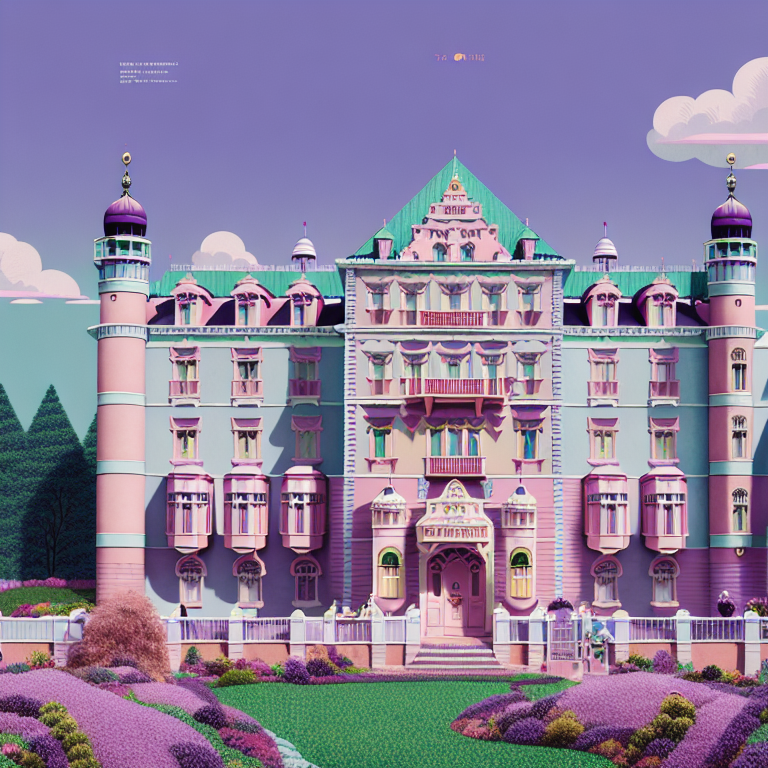
  • Why ‘Mad Max: Fury Road’ Is a Feminist Masterpiece

    Why ‘Mad Max: Fury Road’ Is a Feminist Masterpiece

    When most people think about Mad Max: Fury Road, they picture insane car chases, spectacular explosions, and wild costumes in a post-apocalyptic desert. And yes, the movie absolutely delivers on all that action. But beneath the roaring engines and spectacular stunts lies something deeper and more revolutionary – a story that challenges how we think about heroes, power, and gender roles in action movies.

    This 2015 blockbuster, directed by George Miller, became much more than just another sequel in the Mad Max franchise. It sparked conversations about feminism in action films and showed that you can have intense, thrilling entertainment while also telling a story centered on women’s strength, agency, and survival. Let’s explore why this movie stands as a true feminist masterpiece and how it changed the game for action cinema.

    Furiosa: The Hero We Didn’t Expect

    The heart of Fury Road beats with Imperator Furiosa, played brilliantly by Charlize Theron. Right from her first appearance, she commands attention – not through exposition or backstory, but through action and presence. She’s missing part of her arm, she’s got a shaved head, and she wears combat gear that’s practical rather than sexualized. This isn’t your typical female action hero.

    What makes Furiosa revolutionary is that she’s never defined by her relationships to men or by traditional feminine qualities. She’s a warrior, a leader, and a survivor who takes charge of her destiny. The movie doesn’t waste time explaining why she’s strong or making excuses for her capabilities. She simply is who she is, and everyone in the story accepts that without question.

    Her journey isn’t about finding love or proving herself to anyone. Instead, it’s about redemption and freedom – themes that resonate universally but are particularly powerful when centered on a female character in an action context. Furiosa drives the entire plot forward, making decisions that affect everyone around her. She’s not a sidekick or a love interest; she’s the protagonist, with Max serving more as her ally than her savior.

    The Wives: More Than Damsel in Distress

    The five wives – Angharad, Capable, Toast, Cheedo, and Dag – could have easily been written as helpless victims who need saving. After all, they’re escaping sexual slavery under the brutal warlord Immortan Joe. But Fury Road takes a different approach that elevates these characters beyond typical action movie tropes.

    Each wife has distinct personality traits and contributes meaningfully to their escape and survival. They’re not interchangeable beauties waiting to be rescued. Angharad is pregnant and fights through her condition. Capable shows emotional intelligence and compassion, even toward their enemy Nux. Toast demonstrates strategic thinking and weapon skills. Cheedo grapples with fear but ultimately finds courage. Dag provides sharp commentary and perspective.

    Most importantly, they’re active participants in their liberation rather than passive recipients of rescue. They make choices, take risks, and support each other through trauma. The film shows their scars – both physical and emotional – without exploiting their suffering for cheap drama. Their journey toward freedom becomes a collective effort where they save themselves as much as they’re saved by others.

    Breaking the Male Savior Complex

    Traditional action movies often follow a pattern where male heroes rescue female characters who exist mainly to be saved. Fury Road deliberately subverts this expectation in several clever ways. Max, the titular character, actually spends much of the movie as a passenger in his own story – literally handcuffed to the front of a car for a significant portion.

    When Max and Furiosa first meet, there’s potential for the typical “hero saves the helpless woman” dynamic. Instead, they form an alliance based on mutual need and respect. Furiosa remains the primary driver of their mission, with Max contributing as an equal partner rather than a superior savior. Their relationship develops through cooperation rather than rescue.

    The wives also reject the idea that they need male protection. When Max suggests he could help them escape, Furiosa immediately asserts that they had a plan before he arrived. The movie consistently shows women solving their own problems, defending themselves, and making strategic decisions. Even the male characters who join their cause – like Nux – do so by rejecting toxic masculinity and embracing more cooperative, respectful approaches.

    Visual Storytelling That Speaks Volumes

    Fury Road demonstrates feminist principles not just through its plot and characters, but through its visual language. The costume design is particularly noteworthy. The wives wear sheer, white fabric that represents their purity and value to Immortan Joe, but as they journey toward freedom, their clothing becomes more practical and less sexualized. They’re never shown in exploitative poses or gratuitous nudity.

    Furiosa’s costume design emphasizes function over form. She wears armor that protects her, boots that allow her to move and fight effectively, and her missing arm is never hidden or treated as a weakness. The film treats her physical difference matter-of-factly, showing that disability doesn’t prevent someone from being a capable leader and warrior.

    The color palette also reinforces the film’s themes. The wives’ white costumes contrast sharply with the grim, polluted world around them, symbolizing hope and innocence. As they move toward freedom, the visual storytelling supports their journey without reducing them to objects of the male gaze. Even in the most intense action sequences, the camera focuses on their agency and determination rather than their bodies.

    Female Relationships That Drive the Plot

    One of the most powerful aspects of Fury Road is how it centers relationships between women without making them secondary to male characters. The bond between Furiosa and the wives, the solidarity among the wives themselves, and the connection to the Vuvalini (the matriarchal society Furiosa comes from) all drive the narrative forward.

    These relationships aren’t defined by competition or jealousy – common pitfalls in how female characters are often written. Instead, they’re characterized by mutual support, shared trauma, and collective strength. The wives protect each other, share resources, and make decisions together. Furiosa becomes their protector not because she’s a man substituting for absent male authority, but because she understands their struggle and shares their goal of freedom.

    The Vuvalini represent an entire society of women who are skilled, capable, and independent. They’re not nurturing earth mothers or wise old crones – they’re warriors, mechanics, and leaders who have survived in a brutal world through their own strength and intelligence. This portrayal challenges the idea that female power must be soft or maternal rather than fierce and tactical.

    Themes of Reproductive Freedom and Bodily Autonomy

    At its core, Fury Road is about women reclaiming control over their bodies and reproductive rights – themes that resonate strongly with contemporary feminist discourse. The wives are literally valued by Immortan Joe for their ability to produce healthy offspring, reducing them to their reproductive capacity. Their escape represents a fight for bodily autonomy that extends far beyond the film’s post-apocalyptic setting.

    The movie handles these themes without being preachy or heavy-handed. The pregnancy of Angharad becomes a source of strength rather than weakness – she continues fighting and making decisions throughout their journey. The film shows how reproductive control is fundamental to personal freedom, and how systems of oppression often center on controlling women’s bodies.

    This aspect of the story connects to real-world feminist struggles for reproductive rights, healthcare access, and freedom from sexual exploitation. By framing these issues within an action movie context, Fury Road makes feminist themes accessible to audiences who might not engage with more overtly political content. It shows that stories about women’s autonomy can be exciting, visually stunning, and commercially successful.

    Action That Serves the Story

    Many action movies use spectacular sequences as empty spectacle, but every action scene in Fury Road serves the story and themes. The car chases aren’t just cool set pieces – they represent the pursuit of freedom and the obstacles that stand in the way. When Furiosa fights, it’s always in service of her mission and her values, not for gratuitous violence.

    The film’s approach to action also challenges traditional gender expectations. Women engage in combat, drive vehicles, and make tactical decisions throughout the movie. There’s no separation between “female” and “male” types of action – everyone fights, everyone drives, everyone contributes according to their skills rather than their gender.

    This egalitarian approach to action extends to how violence is portrayed. While the movie is intense and sometimes brutal, it doesn’t sexualize female suffering or use women’s pain as motivation for male characters. The violence serves the story’s themes about oppression, resistance, and liberation rather than existing purely for shock value.

    Cultural Impact and Industry Influence

    Fury Road’s success demonstrated that feminist action films could be both critically acclaimed and commercially successful. It won six Academy Awards and influenced how studios approach female-led action projects. The film showed that audiences would embrace complex female protagonists and that stories centered on women’s experiences could have universal appeal.

    This impact extended beyond just representation. Fury Road proved that you could make a blockbuster action film with strong feminist themes without compromising on entertainment value. It challenged the assumption that action movies need to cater primarily to male audiences or rely on traditional gender roles to succeed.

    The film’s influence can be seen in subsequent action movies that feature more complex female characters and challenge traditional gender dynamics. It helped create space for films like Wonder Woman, Captain Marvel, and other female-led action projects that might not have been greenlit without Fury Road’s demonstrated success.

    The Broader Conversation About Feminism in Film

    Fury Road arrived during a time when conversations about gender representation in Hollywood were gaining momentum. The film became a touchstone in discussions about the male gaze, female representation, and what feminist storytelling looks like in mainstream entertainment. It showed that you could make a film that appeals to everyone while still centering women’s experiences and perspectives.

    The movie also sparked debates about what constitutes feminist art and who gets to define those terms. Some critics argued that Fury Road wasn’t feminist enough or that its feminism was accidental rather than intentional. These conversations, while sometimes contentious, helped advance understanding of how gender representation works in film and what audiences expect from modern storytelling.

    What’s clear is that Fury Road expanded the possibilities for what action movies could be and who they could be for. It demonstrated that feminist principles – like equality, autonomy, and mutual respect – could enhance rather than detract from entertainment value. The film showed that stories about women’s liberation could be thrilling, beautiful, and meaningful all at once.

    Frequently Asked Questions

    Is Mad Max: Fury Road really a feminist movie if it was directed by a man?

    Absolutely. Feminism isn’t about who creates art but about what messages and values the art promotes. George Miller crafted a story centered on female strength, agency, and liberation. The film’s feminist qualities come from its narrative choices, character development, and thematic focus rather than the gender of its director. Many male filmmakers have created powerful feminist works, just as many female creators make content that doesn’t align with feminist principles.

    How does Fury Road compare to other female-led action movies?

    Fury Road stands out because it doesn’t treat its female characters as exceptions in a male-dominated world or make their gender the central focus of their characterization. Unlike some female-led action films that feel like male movies with women substituted in, Fury Road creates a story where gender dynamics are integral to the plot but don’t define every character interaction. The film also avoids common pitfalls like excessive sexualization or making female strength dependent on male approval.

    What makes Furiosa such a compelling character beyond her gender?

    Furiosa works as a character because she’s written and performed with depth and complexity. She has clear motivations, makes difficult choices, shows vulnerability without weakness, and demonstrates leadership through competence rather than authority. Her missing arm, her past trauma, and her determination all contribute to a fully realized character who happens to be female rather than a “female character” defined by stereotypes about women.

    Did the wives need male characters like Max and Nux to succeed?

    While Max and Nux contribute to the group’s survival, the film makes clear that the wives and Furiosa were already on a path to freedom before they arrived. Max becomes an ally rather than a savior, and Nux’s transformation shows how men can support feminist goals by rejecting toxic masculinity. The story emphasizes collective effort over individual heroism, regardless of gender.

    How does the film handle violence against women?

    Fury Road addresses the reality of violence against women – particularly sexual violence and reproductive exploitation – without graphically depicting it on screen. The film shows the consequences and trauma of this violence while focusing on the characters’ resistance and recovery rather than their suffering. This approach respects the seriousness of these issues while avoiding exploitation for entertainment purposes.

    Why is the film’s approach to gender considered revolutionary for action movies?

    Most action films either exclude women from meaningful roles, reduce them to love interests or victims, or create “strong female characters” who are basically men with breasts. Fury Road does something different by creating female characters with distinct personalities, strengths, and arcs while also exploring how gender affects their experiences in a patriarchal society. It shows that action films can be both entertaining and thoughtful about gender dynamics.

    Conclusion

    Mad Max: Fury Road succeeds as a feminist masterpiece because it proves that you don’t have to choose between thrilling entertainment and meaningful representation. The film delivers spectacular action, stunning visuals, and compelling characters while also advancing feminist themes about autonomy, equality, and collective liberation. It challenges traditional action movie formulas without feeling preachy or sacrificing entertainment value.

    What makes Fury Road truly revolutionary is how naturally it integrates feminist principles into its storytelling. The women drive the plot, make the tough decisions, and ultimately determine their own fates. The male characters who support them do so by embracing cooperation over domination. The film shows a world where everyone’s contributions matter regardless of gender, and where freedom is worth fighting for on multiple levels.

    More than just a great action movie or a successful experiment in feminist storytelling, Fury Road represents what mainstream cinema can achieve when it takes risks and trusts audiences to embrace more complex, inclusive narratives. It demonstrated that stories centered on women’s experiences could captivate global audiences and earn critical acclaim. In doing so, it helped pave the way for a new generation of action films that recognize women as full participants in stories of heroism, survival, and liberation.

    The legacy of Fury Road extends beyond its immediate impact. It showed filmmakers that feminist storytelling isn’t a limitation but an opportunity for richer, more interesting narratives. It proved to studios that audiences would embrace female-led action films. And most importantly, it gave viewers – especially women and girls – action heroes who reflect their own strength, complexity, and capacity for leadership. That’s why this roaring, thundering masterpiece deserves its place as a landmark in both action cinema and feminist storytelling.

  • The Real-Life Inspirations Behind ‘The Crown’: Royal Truths Revealed

    The Real-Life Inspirations Behind ‘The Crown’: Royal Truths Revealed

    When you watch “The Crown,” you’re seeing more than just a TV drama about the British royal family. You’re watching a carefully crafted story that blends historical facts with creative storytelling. The Netflix series has captivated millions with its portrayal of Queen Elizabeth II’s reign, but how much of what we see is real? Let’s dive into the fascinating true stories behind the show’s most dramatic moments.

    The creators of “The Crown” spent years researching royal archives, biographies, and historical documents to bring authenticity to the screen. However, they also took creative liberties to make the story more engaging for viewers. Understanding the real-life inspirations behind the show helps us appreciate both the historical accuracy and the artistic choices that make “The Crown” so compelling.

    The Queen’s Early Years: More Than Just a Young Princess

    The early seasons of “The Crown” focus on Queen Elizabeth II’s transformation from a young princess to a monarch. The show accurately depicts her unexpected ascension to the throne in 1952 after her father, King George VI, died unexpectedly. However, the series also dramatizes her relationship with Prince Philip, showing their struggles with duty versus personal happiness.

    In reality, Elizabeth and Philip’s marriage faced similar challenges to those portrayed on screen. They married in 1947 when Elizabeth was just 21 years old, and Philip had to give up his Greek and Danish royal titles to marry her. The show captures their complex dynamic well, though some intimate details remain private family matters.

    Winston Churchill’s Relationship with the Young Queen

    One of the most fascinating aspects of early “The Crown” seasons is the relationship between Queen Elizabeth II and Prime Minister Winston Churchill. The show portrays Churchill as a father figure and mentor to the young queen, which aligns with historical accounts. When Elizabeth became queen at age 25, Churchill was already a seasoned politician in his 70s.

    Their weekly meetings, shown in the series, were indeed a crucial part of British governance. These private conversations between the monarch and prime minister remain confidential to this day, but historians believe they developed a genuine friendship and mutual respect. The show captures this dynamic beautifully, though some specific conversations are fictionalized for dramatic effect.

    Princess Margaret’s Love Story: Fact vs. Fiction

    The tragic love story between Princess Margaret and Peter Townsend is one of “The Crown’s” most emotional storylines. The show accurately depicts the royal family’s refusal to allow Margaret to marry Townsend, a divorced commoner, due to the Church of England’s stance on divorce at the time.

    However, the series takes some liberties with the timeline and specific events. In reality, Margaret and Townsend’s relationship was more complex than shown, and the royal family’s response was influenced by political considerations beyond just religious doctrine. The emotional toll on Margaret, however, was very real and contributed to her later struggles with mental health and relationships.

    The Profumo Affair: Political Scandal That Rocked Britain

    Season two of “The Crown” delves into the Profumo affair, a major political scandal that exposed the British establishment’s vulnerabilities. The show accurately portrays how Secretary of State for War John Profumo’s affair with Christine Keeler, who was also involved with a Soviet naval attaché, created a national security concern.

    The series captures the media frenzy and political consequences of the scandal, though it compresses some timelines for dramatic purposes. The real Profumo affair had far-reaching implications for British politics and contributed to the Conservative Party’s eventual downfall in 1964.

    Prince Charles and Camilla: The Early Days

    The show’s portrayal of Prince Charles’s early relationship with Camilla Shand (now Duchess of Cornwall) has sparked much discussion. “The Crown” suggests that Charles and Camilla had a connection before his relationship with Diana Spencer, which aligns with historical accounts.

    However, the series takes creative liberties with specific conversations and events. The real relationship between Charles and Camilla was more complex and evolved over many years, influenced by royal duties, family expectations, and personal circumstances that the show can only hint at.

    The Queen’s Leadership During Crisis

    Throughout the series, we see Queen Elizabeth II navigating various national crises, from the Aberfan disaster to the miners’ strike. The show generally portrays her leadership style accurately – calm, measured, and focused on duty above personal feelings.

    However, many of her private thoughts and specific conversations during these events remain unknown. The series fills these gaps with educated speculation based on historical context and known patterns of her behavior. Her famous commitment to duty and the monarchy’s role in modern Britain comes through clearly in both the show and historical records.

    How “The Crown” Handles Historical Accuracy

    The creators of “The Crown” have been transparent about their approach to historical accuracy. They aim to capture the essence of historical events and relationships rather than provide a documentary-style retelling. This approach allows them to explore the emotional truth of situations while maintaining dramatic tension.

    For instance, the show often compresses timelines, combines characters, or invents specific conversations to serve the narrative. This creative license has drawn criticism from some historians and royal family members, but it also makes the series more engaging for general audiences.

    The Impact of “The Crown” on Public Perception

    “The Crown” has significantly influenced how people view the British royal family and British history. The show has sparked renewed interest in royal history, leading many viewers to research the actual events portrayed on screen.

    This phenomenon has created a new form of historical engagement, where entertainment media drives public interest in real historical events. However, it also raises questions about how fictionalized portrayals can shape public understanding of historical figures and events.

    Where to Learn More About Royal History

    If “The Crown” has sparked your interest in British royal history, there are many resources available to learn more. The Royal Family’s official website provides accurate historical information about the monarchy. Additionally, many biographies and historical texts offer detailed accounts of the events portrayed in the series.

    For those interested in how media shapes historical narratives, you might find our article on how movie reviews affect box office numbers particularly interesting, as it explores similar themes of public perception and media influence.

    The Future of Royal Storytelling

    As “The Crown” continues to explore more recent history, it faces new challenges in balancing historical accuracy with compelling storytelling. The show must navigate sensitive topics involving living people while maintaining its commitment to dramatic excellence.

    This challenge reflects a broader trend in historical storytelling, where creators must balance entertainment value with historical responsibility. The success of “The Crown” suggests that audiences are hungry for well-researched historical dramas that bring the past to life in engaging ways.

    Frequently Asked Questions About “The Crown”

    How accurate is “The Crown” compared to real events?

    The show aims for emotional and historical accuracy but takes creative liberties with specific events and conversations. While the broad strokes of history are accurate, many intimate details are fictionalized for dramatic effect.

    Did Queen Elizabeth II watch “The Crown”?

    While the royal family has never officially commented on the show, various sources suggest that some family members have watched it. However, the Queen herself has not publicly acknowledged viewing the series.

    How long did it take to research “The Crown”?

    The creators spent several years researching before production began, consulting historical documents, biographies, and experts on royal history. However, they have been clear that the show is a dramatization, not a documentary.

    Are the actors in “The Crown” similar to the real people they portray?

    The actors bear some physical resemblance to their real-life counterparts, but the show uses makeup and prosthetics to enhance this similarity, especially as characters age throughout the series.

    Will “The Crown” cover more recent royal history?

    The final season of “The Crown” is set to cover events up to the early 2000s, though it will not depict the most recent royal events due to the show’s production timeline.

    Conclusion

    “The Crown” offers a fascinating glimpse into the British royal family’s history, blending factual events with creative storytelling. While it’s not a perfect historical record, the show succeeds in capturing the emotional truth of royal life and the challenges faced by Queen Elizabeth II throughout her remarkable reign.

    Understanding the real-life inspirations behind “The Crown” enhances our appreciation of both the show and the actual historical events it portrays. Whether you’re a history buff or simply enjoy compelling drama, recognizing the blend of fact and fiction in “The Crown” allows for a richer viewing experience.

    As we continue to watch the series unfold, it’s worth remembering that behind every dramatized scene lies a complex reality that shaped modern British history. The true story of Queen Elizabeth II and her family remains as fascinating as any scripted drama, filled with duty, sacrifice, and the weight of history.

    For more insights into how media shapes our understanding of history and culture, check out our analysis of how streaming services are changing movie theater attendance, which explores similar themes of media evolution and audience engagement.

  • How ‘Parasite’ Changed Everything We Know About Social Commentary in Movies

    How ‘Parasite’ Changed Everything We Know About Social Commentary in Movies

    When Parasite won the Oscar for Best Picture in 2020, it did something no foreign-language film had ever done before. But the real story isn’t just about awards – it’s about how this movie changed the way we talk about class, wealth, and social inequality in cinema.

    Bong Joon-ho’s thriller hit theaters at exactly the right moment. The world was already grappling with growing wealth gaps, housing crises, and economic uncertainty. Parasite didn’t just reflect these issues – it made audiences feel them in their bones.

    The film tells the story of two families: the wealthy Parks who live in a modern mansion, and the poor Kims who scheme their way into working for them. What starts as a clever con job turns into something much darker. The genius of Parasite isn’t in its plot twists, but in how it uses everyday situations to expose uncomfortable truths about our society.

    The Visual Language of Class Division
    One of the most striking things about Parasite is how it uses space and architecture to tell its story. The Parks live high above the city in a bright, airy house with huge windows and open spaces. The Kims exist in a semi-basement apartment, literally underground, where they can only see the world through small windows near the ceiling.

    This vertical arrangement isn’t just symbolic – it’s the foundation of the entire story. Director Bong Joon-ho uses these physical spaces to create tension and meaning. When characters move between floors, they’re moving between social classes. The stairs in the Park house become a battleground for power and control.

    The cinematography reinforces this constantly. Bright, natural light floods the Park home while the Kim apartment is often shown in dim, artificial light. Even the weather plays a role – a rainstorm that’s just a minor inconvenience for the Parks becomes a devastating flood for the Kims.

    Why the Script Works So Perfectly
    The screenplay for Parasite is a masterclass in storytelling. It starts as a comedy about clever grifters, shifts into a tense thriller, and ends somewhere completely unexpected. This genre-blending works because it mirrors how real-life class conflicts often escalate.

    The dialogue feels incredibly natural, even when characters are saying things that cut deep. When the wealthy Park mother says her husband is “nice because he’s rich,” it’s both funny and painfully true. These moments work because they’re grounded in real observations about how money changes people’s behavior.

    The script also uses clever misdirection. Early scenes make us root for the Kims as they outsmart their employers. But as the story progresses, we start to question whether any of these characters are truly good or bad. This moral complexity is what makes Parasite so memorable.

    The Power of Cultural Specificity
    Parasite works so well because it’s deeply rooted in Korean culture while speaking to universal experiences. The film shows specific details about Korean society – from the importance of college entrance exams to the prevalence of domestic workers. But these specifics make the story feel more real, not less accessible.

    This cultural authenticity is part of why Parasite succeeded internationally. Audiences around the world recognized versions of the Kim and Park families in their own societies. The film’s success proved that stories from non-Western cultures could resonate globally when told with honesty and skill.

    The movie also benefits from understanding Korean social dynamics that outsiders might miss. The concept of “nunchi” – the ability to read social situations and adjust behavior accordingly – plays a crucial role in how the Kims navigate their deception. These cultural nuances add layers of meaning that reward careful viewing.

    Sound Design That Tells a Story
    The audio in Parasite works on multiple levels to reinforce its themes. The cheerful, upbeat music during the Kims’ initial scheming creates ironic contrast with the darker events to come. As tensions rise, the soundtrack becomes more discordant and unsettling.

    Sound effects are used brilliantly throughout. The sound of running water takes on different meanings – from the Kims’ flooded apartment to the Parks’ luxurious bathroom fixtures. Even silence is used effectively, particularly in scenes where characters must remain absolutely quiet to avoid detection.

    The film’s use of language is also significant. Characters switch between formal and informal Korean depending on their social status, and this linguistic hierarchy becomes another tool for control and manipulation.

    The Ending That Haunts You
    Without giving away spoilers, Parasite’s ending is one of its most powerful elements. It doesn’t offer easy answers or neat resolutions. Instead, it leaves viewers with questions about whether real social mobility is even possible in a system designed to maintain inequality.

    The final scenes are particularly devastating because they show how the cycle of poverty continues, even when characters try their hardest to escape it. This refusal to provide false hope is what makes Parasite’s social commentary so effective – it’s honest about the difficulty of changing deeply entrenched systems.

    The ending also works because it’s earned. Every element of the story – from character development to visual motifs – builds toward this conclusion. When the credits roll, you’re left thinking about the characters and their situations long after the movie ends.

    How Parasite Changed the Industry
    The success of Parasite had ripple effects throughout the film industry. It proved that subtitled films could find massive audiences when given proper distribution and marketing. Major theater chains that had previously avoided foreign films began reconsidering their policies.

    The movie also influenced how studios think about international markets. Rather than just exporting American films globally, there’s now more interest in bringing international hits to Western audiences. This has led to more diverse storytelling and new opportunities for filmmakers from different backgrounds.

    Parasite’s success also sparked discussions about class and inequality that extended beyond cinema. The film became a reference point in political and economic debates, showing how art can influence real-world conversations.

    The Universal Appeal of Specific Stories
    One of Parasite’s greatest achievements is proving that deeply specific stories can have universal impact. By focusing on the particular details of Korean class dynamics, the film actually becomes more relatable to global audiences. We recognize the truth in its portrayal of wealth inequality, even if the specific cultural context differs from our own.

    This approach challenges the idea that stories need to be “universal” by removing cultural specifics. Instead, Parasite shows that authenticity and attention to detail create stronger emotional connections than generic, one-size-fits-all narratives.

    The film’s success has encouraged other filmmakers to tell stories rooted in their specific cultural experiences, confident that audiences will connect with the underlying human truths. This represents a significant shift in how the industry thinks about international cinema.

    Comparing Parasite to Other Social Commentary Films
    While Parasite isn’t the first film to tackle class issues, it does so in a uniquely effective way. Unlike more straightforward dramas about poverty, Parasite uses genre elements to make its points more powerfully. The thriller aspects keep viewers engaged while the social commentary works on a deeper level.

    The film also differs from other class-conscious movies in its moral complexity. There are no clear heroes or villains – just people trying to survive in an unfair system. This ambiguity makes the film more thought-provoking than more didactic approaches to similar themes.

    Parasite’s visual storytelling also sets it apart. Many social commentary films rely heavily on dialogue to convey their messages, but Parasite shows rather than tells. This makes its points more visceral and memorable.

    The Technical Excellence Behind the Message
    While Parasite’s social commentary gets most of the attention, the film’s technical achievements are equally impressive. The editing creates perfect pacing, knowing exactly when to build tension and when to release it. The cinematography uses color and composition to reinforce themes without being heavy-handed.

    The production design deserves special mention. The Park house, designed specifically for the film, becomes a character in its own right. Its modern architecture and careful spatial arrangement enable many of the story’s key moments.

    Even smaller technical choices contribute to the overall effect. The way characters are framed in relation to their surroundings constantly reinforces their social status and power dynamics.

    Why Parasite Still Matters Today
    The themes Parasite explores – wealth inequality, social mobility, the hidden costs of capitalism – have only become more relevant since its release. Economic disruptions from the pandemic and ongoing debates about income inequality have made the film’s insights even more timely.

    Parasite also continues to influence how filmmakers approach social issues. More movies are now willing to tackle class and economic themes without being preachy or simplistic. The film showed that audiences are hungry for intelligent, nuanced takes on real-world problems.

    The movie’s success has also encouraged more international co-productions and cross-cultural collaborations, potentially leading to more diverse voices in mainstream cinema.

    What Makes Parasite Different from Other Oscar Winners
    Most Best Picture winners follow certain patterns – historical dramas, inspirational stories, or films about Hollywood itself. Parasite broke this mold by being a foreign-language thriller that’s also a scathing social critique. This combination made it stand out in Academy Award history.

    The film’s victory also represented a shift in what kinds of stories the Oscars celebrate. Rather than rewarding safe, conventional choices, the Academy took a risk on something challenging and different. This could encourage more experimental and international films in future awards seasons.

    Parasite’s win also highlighted changing audience demographics and tastes. Younger viewers in particular embraced the film, suggesting that future award winners might need to appeal to more diverse, global audiences.

    The Legacy of Parasite’s Success
    Since Parasite’s triumph, we’ve seen increased interest in international cinema across all platforms. Streaming services have invested more in foreign-language content, and theatrical distributors are more willing to take chances on non-English films.

    The movie also inspired academic analysis and cultural discussions that extended far beyond typical film criticism. Courses were developed about the film’s themes, and it became a reference point in discussions about economics, architecture, and social policy.

    Perhaps most importantly, Parasite proved that artistic excellence and commercial success aren’t mutually exclusive. The film was both a critical darling and a box office hit, showing that audiences will embrace challenging, intelligent cinema when given the opportunity.

    ###TITLE_START###
    Frequently Asked Questions About Parasite and Social Commentary in Film

    What makes Parasite’s social commentary different from other films about class?
    Parasite uses genre elements and visual storytelling to make its points more powerfully than straightforward dramas. The film’s moral complexity – showing all characters as flawed humans rather than heroes and villains – creates more nuanced commentary. Its specific cultural details actually make the themes more universally relatable.

    How did Parasite influence the film industry?
    The movie proved that subtitled films could achieve massive commercial and critical success, leading to more international films getting wider releases. It also encouraged studios to take more risks on diverse stories and influenced how filmmakers approach social issues in their work.

    Why is the visual contrast between the two families so important?
    The stark architectural and spatial differences between the Parks and Kims aren’t just visual flair – they’re fundamental to the story’s themes. The vertical arrangement of spaces (upstairs versus downstairs, high-rise versus basement) physically represents the social hierarchy the film critiques.

    What role does Korean culture play in Parasite’s effectiveness?
    The film’s specific cultural details – from language use to social customs – make it feel authentic and grounded. These specifics actually help international audiences connect more deeply because they recognize the underlying human truths, even if the cultural context differs from their own.

    How does Parasite compare to Bong Joon-ho’s other films?
    While Bong’s other films also tackle social issues, Parasite is more subtle and complex in its approach. Movies like Snowpiercer are more overtly allegorical, while Parasite embeds its commentary within a realistic, character-driven story. This makes Parasite’s messages feel more immediate and personal.

    What technical elements make Parasite so effective?
    Beyond its writing and directing, Parasite excels in editing, cinematography, sound design, and production design. The careful spatial arrangement of scenes, the use of lighting and color, and the precise timing of reveals all contribute to both the film’s entertainment value and its thematic impact.

    Why does Parasite’s ending feel so powerful?
    The ending refuses to provide easy answers or false hope, instead honestly depicting the difficulty of escaping entrenched social systems. It’s earned through every previous element of the story, making it both surprising and inevitable. The emotional impact comes from its honesty about systemic inequality.

    ###TITLE_START###
    Conclusion: The Lasting Impact of Parasite

    Parasite didn’t just win awards – it changed how we think about what movies can accomplish. By combining gripping entertainment with sharp social insight, it showed that audiences are ready for films that challenge them intellectually while keeping them on the edge of their seats.

    The movie’s success has opened doors for more international voices and more honest discussions of class and inequality in cinema. It proved that specific, culturally grounded stories can have universal impact when told with skill and authenticity.

    What makes Parasite truly remarkable is how it continues to resonate years after its release. The issues it explores – wealth inequality, social mobility, the hidden costs of capitalism – remain pressing concerns. But the film offers more than just commentary; it provides a framework for understanding these issues through the lens of human experience.

    As the film industry evolves, Parasite stands as a model for how to create meaningful art that also achieves commercial success. It’s a reminder that the best movies don’t just entertain or inform – they transform how we see the world around us. In that sense, Parasite’s greatest achievement might be showing us that cinema can still surprise us, still make us think, and still matter in ways we never expected.

  • The Hidden Symbolism in ‘The Matrix’ You Missed

    The Hidden Symbolism in ‘The Matrix’ You Missed

    When The Matrix hit theaters in 1999, audiences were blown away by its groundbreaking special effects and mind-bending story. But beneath the surface of bullet-time action and leather trench coats lies a treasure trove of hidden meanings and philosophical ideas that many viewers miss on their first watch. Let’s dive into the secret symbolism that makes this sci-fi classic so much deeper than just a cool action movie.

    The Red Pill vs. Blue Pill: More Than Just a Choice
    The famous red pill/blue pill scene isn’t just about choosing between two colored tablets. This moment represents the fundamental choice between facing painful truth or living in comfortable ignorance. The red pill symbolizes enlightenment and the willingness to see reality as it truly is, while the blue pill represents the safety of illusion. This mirrors philosophical debates that have existed for centuries about whether ignorance is bliss or if knowledge, no matter how difficult, is always preferable.

    The Wachowskis, who directed The Matrix, drew heavily from philosopher Jean Baudrillard’s book “Simulacra and Simulations.” In fact, Neo keeps a copy of this book in his apartment early in the film. Baudrillard argued that in our modern world, we often confuse simulations of reality with reality itself. The Matrix takes this idea literally, creating a simulated world that most humans mistake for the real thing.

    Names That Tell a Story
    Pay attention to the character names in The Matrix, and you’ll find they’re packed with meaning. Neo, whose real name is Thomas Anderson, represents “the One” – a savior figure. The name Thomas means “twin,” suggesting Neo has two identities: his fake life in the Matrix and his true self. Anderson means “son of man,” a title often used for Christ-like figures.

    Other character names continue this pattern of hidden meaning. Morpheus is named after the Greek god of dreams, fitting since he helps people wake up from the dream-like Matrix. Trinity represents the Christian Holy Trinity and also symbolizes Neo’s connection to something greater than himself. Even the traitor Cypher’s name hints at his role – “cipher” means zero or nothing, reflecting how he betrays his friends for personal gain.

    The Matrix as a Digital Prison
    The Matrix itself serves as a powerful metaphor for various forms of control and oppression. Some viewers see it as representing consumer culture, where people are trapped in a cycle of working, buying, and consuming without questioning why. Others interpret it as a commentary on government surveillance and control, especially relevant in our modern world of smartphones and social media tracking.

    The way humans are literally used as batteries in the film adds another layer of meaning. This represents how modern society can exploit people for their labor and energy while keeping them distracted with entertainment and false needs. The endless fields of human pods recall both dystopian fiction and real concerns about losing individuality in an increasingly connected world.

    Alice in Wonderland Connections
    The Matrix borrows heavily from Lewis Carroll’s “Alice’s Adventures in Wonderland.” Neo is told to “follow the white rabbit” early in the film, just as Alice follows the white rabbit down the rabbit hole into Wonderland. Both stories involve characters discovering hidden worlds that exist alongside our own.

    The mirror scene where Neo touches a liquid mirror that spreads over his body directly references Alice stepping through the looking glass. Both scenes represent the moment when the protagonist crosses from one reality into another. The chess-like patterns seen in the loading program also echo the chessboard-like world Alice encounters.

    Biblical and Mythological References
    Religious symbolism runs throughout The Matrix. Neo’s journey mirrors the story of Christ – he dies and resurrects, gathers disciples, and sacrifices himself for humanity’s salvation. The scene where Neo is pierced in his side after being shot recalls the crucifixion of Jesus.

    Greek mythology also influences the film’s symbolism. The Oracle plays a role similar to the oracles of ancient Greece, offering prophecies that guide the heroes’ actions. The ship Nebuchadnezzar is named after a biblical king who had prophetic dreams, suggesting the crew is on a divinely guided mission.

    Technology and Control
    Released at the dawn of the internet age, The Matrix captures fears about technology’s growing role in our lives. The film asks whether our increasing dependence on machines might one day lead to our enslavement. Today, with artificial intelligence advancing rapidly, these concerns feel even more relevant.

    The way agents can take over any human still plugged into the Matrix represents fears about identity theft and loss of privacy in the digital age. The scene where Neo wakes up in his pod surrounded by millions of others suggests concerns about how technology might isolate us even while connecting us.

    Color Symbolism Throughout
    The Matrix uses color deliberately to convey meaning. The real world appears in cool blues and greens, suggesting a harsh but authentic existence. The Matrix itself uses warmer tones, particularly green, to create a sense of false comfort. The green tint throughout Matrix scenes resembles old computer monitors, reinforcing the digital nature of this reality.

    Red appears at crucial moments – the red pill, the red woman in the training program, blood from injuries. This color consistently marks moments of truth, danger, and awakening. White is used for scenes of transformation, like Neo’s training and resurrection.

    The Architect and Systems of Control
    The Architect scene in the second film introduces complex ideas about control systems and the cyclical nature of revolution. Some interpret this as commentary on how revolutionary movements often get absorbed back into the systems they oppose. The choice between rebooting the system or letting humanity die represents the false choices often presented by those in power.

    This scene also explores ideas about free will versus determinism. Are the characters truly making choices, or are they following a path predetermined by the system? This philosophical question has puzzled thinkers for centuries and remains relevant to modern discussions about technology and human agency.

    Modern Relevance and Cultural Impact
    The Matrix predicted many aspects of our current digital life. Reality TV, social media echo chambers, deepfakes, and virtual reality all reflect the film’s central concern about distinguishing between what’s real and what’s simulated. The phrase “take the red pill” has entered popular culture, though often stripped of its original meaning about seeking truth.

    The film’s themes of awakening and questioning authority resonate strongly in today’s world of misinformation and conspiracy theories. However, The Matrix suggests that true awakening requires not just questioning, but also taking responsibility and working to help others see the truth.

    ###TITLE_START###
    Frequently Asked Questions About Matrix Symbolism

    What does the spoon-bending scene really mean?
    The famous “there is no spoon” scene teaches that reality is more malleable than we think. The boy explains that it’s not the spoon that bends, but our perception of it. This represents the idea that our beliefs and perceptions shape our reality more than external circumstances.

    Why is Neo’s passport expiration date significant?
    Eagle-eyed viewers noticed Neo’s passport expires on September 11, 2001 – the date of the real-world terrorist attacks. While likely coincidental, this detail has led to various interpretations about the film predicting future events or commenting on how reality can change dramatically.

    What’s the significance of the numbers on Neo’s apartment door?
    Neo’s apartment number is 101, a binary code reference that also suggests he’s the first of a new kind of human. In George Orwell’s “1984,” Room 101 represents ultimate truth and confrontation with one’s fears, paralleling Neo’s journey to discover the truth about reality.

    How does the film’s martial arts training relate to its themes?
    The martial arts training scenes show that knowledge and skill can be instantly downloaded, raising questions about what makes us human. Is it our experiences, our choices, or something else? The training also represents how awakening to truth requires both mental understanding and practical ability to act on that knowledge.

    What does the Merovingian character represent?
    The Merovingian represents the old guard of the system – someone who understands how the Matrix works and uses that knowledge for personal gain rather than liberation. He’s a cautionary figure showing how enlightenment without ethics can lead to exploitation.

    ###TITLE_START###
    Conclusion: Why The Matrix Still Matters

    Nearly 25 years after its release, The Matrix continues to fascinate viewers with its rich layers of symbolism and meaning. The film works on multiple levels – as an exciting action movie, as a philosophical exploration, and as a cultural commentary that grows more relevant with each passing year. Its central question about the nature of reality and our ability to choose our path remains one of the most compelling in modern cinema.

    The genius of The Matrix lies in how it packages complex philosophical ideas into an accessible, entertaining package. Whether you’re interested in deep philosophical questions or just want to watch cool action scenes, the film offers something valuable. By understanding the hidden symbolism, viewers can appreciate how this seemingly simple sci-fi movie actually contains profound insights about technology, freedom, and what it means to be human in an increasingly digital world.

    The next time you watch The Matrix, try looking beyond the surface. Notice the color choices, the character names, the philosophical references, and the way each scene builds on centuries of philosophical thought. You might discover that this film you thought you knew well actually contains entire worlds of meaning waiting to be explored.

  • Why Dune Is More Than Just a Sci-Fi Epic

    When most people hear about Dune, they think of spaceships, giant sandworms, and epic battles on distant planets. But this story is so much deeper than that. It’s a tale that mixes politics, religion, ecology, and human nature in ways that feel just as important today as when the book first came out in 1965.

    The story follows Paul Atreides, a young man who moves with his family to the dangerous desert planet Arrakis. What seems like a simple change of location quickly turns into a fight for survival, power, and understanding. The movie version, directed by Denis Villeneuve, brings this complex world to life with stunning visuals and careful attention to detail.

    What makes Dune special is how it uses its sci-fi setting to explore real human problems. The desert planet isn’t just a backdrop – it’s a character that shapes everyone who lives there. The struggle for control over the planet’s valuable resource, spice, mirrors real-world conflicts over oil and other precious materials.

    The Politics Behind the Sand Dunes

    The political system in Dune is incredibly detailed. Instead of a simple good-versus-evil story, we see multiple factions all fighting for power. The noble houses, the emperor, the mysterious Bene Gesserit, and the native Fremen all have their own goals and motivations.

    This political complexity reminds me of how real governments work. Different groups push for their own interests, often leading to complicated alliances and betrayals. The way power shifts throughout the story feels realistic, even though it’s set in a fantasy world.

    The movie does an excellent job showing these political tensions through small details – the way characters interact, the careful wording of diplomatic exchanges, and the subtle power plays that happen in every meeting. It’s like watching a chess game where every piece matters.

    Religion and Prophecy as Power Tools

    One of the most interesting aspects of Dune is how it treats religion. The Bene Gesserit, a secretive sisterhood, have been planting religious ideas across different planets for generations. They use these beliefs as tools to control people and situations.

    This manipulation of faith raises questions about how religions develop in real life. Are some beliefs shaped by those in power? How do prophecies influence people’s actions? The story doesn’t give easy answers, which makes it more thought-provoking.

    Paul’s journey also explores the burden of being seen as a messiah figure. He struggles with the expectations placed on him and the danger of people following him blindly. This theme connects to historical and modern figures who have been viewed as saviors or prophets.

    The Environment Shapes Everything

    Arrakis isn’t just a setting – it’s the heart of the entire story. The desert environment controls every aspect of life for the characters. People must wear special suits to conserve water, live in caves to avoid the heat, and adapt to constant danger from sandstorms and giant creatures.

    This focus on ecology was revolutionary when the book was written. Frank Herbert did extensive research on desert ecosystems and environmental science. The way he connects the planet’s health to the story’s events shows how deeply environment and survival are linked.

    The Fremen’s efforts to terraform their planet – to make it more habitable – reflect real environmental movements. Their struggle shows how people can work with nature rather than just trying to dominate it. This message feels especially relevant today as we face climate challenges.

    Family, Loyalty, and Personal Growth

    At its core, Dune is also a family story. The Atreides family shows different aspects of loyalty, love, and sacrifice. Paul’s relationship with his mother Jessica is particularly touching, showing how family bonds can be both a strength and a complication.

    The story explores how people grow and change when faced with extreme circumstances. Paul starts as a young man unsure of his place in the world. Through trials and challenges, he transforms into someone who must make difficult decisions that affect millions of lives.

    This personal journey connects with viewers because we all face moments where we must step up and take responsibility. The way Paul handles his growing powers and knowledge mirrors how people deal with their own abilities and influence.

    Technology and Human Nature

    Despite being set in the distant future, Dune shows a world where technology hasn’t solved human problems. People still fight over resources, struggle with power, and make the same mistakes they’ve made throughout history. This realistic approach to the future makes the story more relatable.

    The technology shown in the story – from spaceships to personal shields – serves the plot without becoming the focus. It’s a reminder that tools and inventions are only as good or bad as the people who use them. The story suggests that human nature might be the one thing that never changes, no matter how advanced we become.

    Cultural Impact and Modern Relevance

    Dune has influenced countless other stories, from Star Wars to Game of Thrones. Its impact shows how powerful ideas can spread and evolve over time. The story’s themes about power, ecology, and human nature continue to resonate with new generations of readers and viewers.

    The recent movie adaptations have introduced Dune to people who might never have read the books. These films show how classic stories can be reimagined for modern audiences while keeping their core messages intact. The visual style and careful pacing help new viewers understand the complex world without feeling overwhelmed.

    Connections to Other Great Stories

    The way Dune handles complex world-building reminds me of other great stories that create entire universes. Like how Parasite uses vertical space to show class divide, Dune uses its setting to reflect social structures. Both stories show how environment shapes human relationships and conflicts.

    The attention to detail in Dune’s universe-building connects to how other successful franchises create believable worlds. Whether it’s the political intrigue or the cultural details, these elements make fictional worlds feel real and lived-in.

    Why This Story Still Matters

    Dune continues to attract new fans because it asks questions that don’t have simple answers. How do we balance power and responsibility? What’s our relationship with the environment? How do beliefs shape our actions? These questions remain relevant no matter when you read or watch the story.

    The story’s complexity is actually one of its strengths. It rewards careful attention and repeated viewing or reading. Each time through, you might notice new details or understand characters’ motivations better. This depth is why Dune has remained popular for nearly 60 years.

    Frequently Asked Questions (FAQ)

    What is the spice in Dune and why is it so important?

    The spice, also called melange, is a substance found only on the planet Arrakis. It has several amazing properties – it can extend life, enhance mental abilities, and allow space travel. Without spice, interstellar travel would be impossible, making it the most valuable resource in the universe. The spice also has a deep connection to the planet’s ecosystem and the giant sandworms that produce it.

    Is it necessary to read the books before watching the movies?

    While reading the books provides more background and detail, the movies are designed to be enjoyed on their own. The first movie covers roughly the first half of the first book, and the storytelling is clear enough for new viewers to follow. However, reading the books will give you a deeper understanding of the characters’ inner thoughts and the complex political background.

    How accurate are the movie adaptations compared to the books?

    The movies, especially the 2021 and 2024 versions directed by Denis Villeneuve, are quite faithful to the spirit and many details of the books. Some elements are simplified or rearranged for better visual storytelling, but the core themes and major plot points remain intact. The movies also add stunning visual elements that enhance the story without changing its meaning.

    What makes Dune different from other science fiction stories?

    Dune stands out because it combines multiple genres – it’s part science fiction, part political thriller, part ecological story, and part spiritual journey. Unlike many sci-fi stories that focus mainly on technology, Dune emphasizes human nature, politics, and environmental themes. The depth of its world-building and the complexity of its characters also set it apart from more straightforward adventure stories.

    Why do people compare Dune to Star Wars?

    Many elements in Star Wars were inspired by Dune. Both stories feature desert planets, messianic heroes, political empires, and themes of destiny versus free will. However, Dune is generally more complex and serious in its treatment of these themes. The comparison shows how influential Dune has been on the science fiction genre as a whole.

    Conclusion

    Dune proves that science fiction can be more than just entertainment – it can be a way to explore deep questions about human nature, society, and our relationship with the world around us. The story’s lasting popularity shows how well it balances exciting adventure with thoughtful commentary on real issues.

    Whether you’re drawn to the political intrigue, the ecological message, the family drama, or the spectacular visuals, there’s something in Dune for everyone. The story invites us to think about our own world while entertaining us with a tale of distant planets and extraordinary people.

    As we face challenges like climate change, political division, and questions about technology’s role in our lives, stories like Dune offer both warning and inspiration. They remind us that even in the darkest times, understanding and working with our environment and each other might be our best hope for survival.

    The next time you watch or read Dune, try looking beyond the sandworms and spaceships. You might discover a story that’s not just about the future, but about us – our struggles, our potential, and our never-ending search for meaning in a vast and complicated universe.