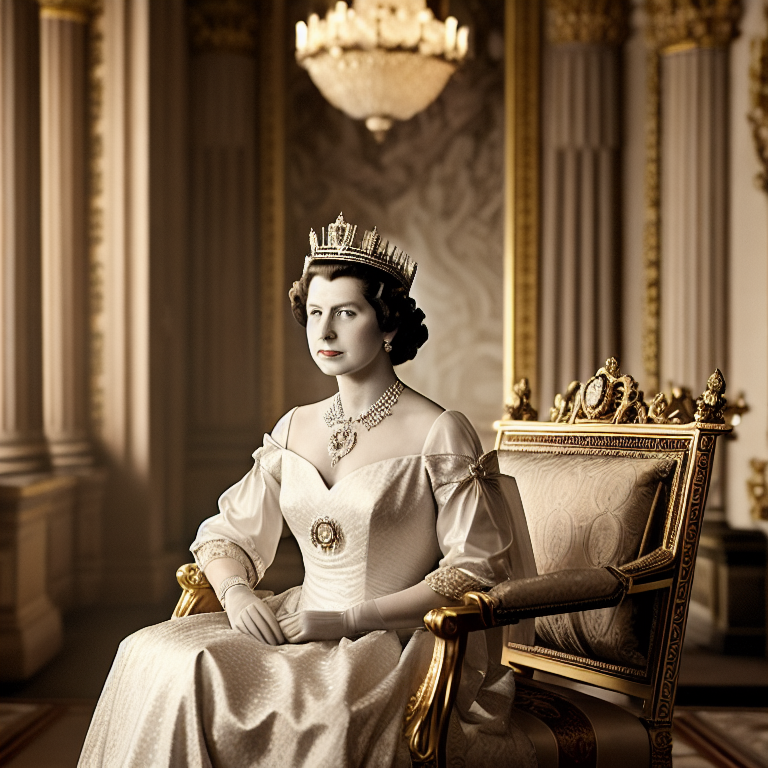
When you watch “The Crown,” you’re seeing more than just a TV drama about the British royal family. You’re watching a carefully crafted story that blends historical facts with creative storytelling. The Netflix series has captivated millions with its portrayal of Queen Elizabeth II’s reign, but how much of what we see is real? Let’s dive into the fascinating true stories behind the show’s most dramatic moments.
The creators of “The Crown” spent years researching royal archives, biographies, and historical documents to bring authenticity to the screen. However, they also took creative liberties to make the story more engaging for viewers. Understanding the real-life inspirations behind the show helps us appreciate both the historical accuracy and the artistic choices that make “The Crown” so compelling.
The Queen’s Early Years: More Than Just a Young Princess
The early seasons of “The Crown” focus on Queen Elizabeth II’s transformation from a young princess to a monarch. The show accurately depicts her unexpected ascension to the throne in 1952 after her father, King George VI, died unexpectedly. However, the series also dramatizes her relationship with Prince Philip, showing their struggles with duty versus personal happiness.
In reality, Elizabeth and Philip’s marriage faced similar challenges to those portrayed on screen. They married in 1947 when Elizabeth was just 21 years old, and Philip had to give up his Greek and Danish royal titles to marry her. The show captures their complex dynamic well, though some intimate details remain private family matters.
Winston Churchill’s Relationship with the Young Queen
One of the most fascinating aspects of early “The Crown” seasons is the relationship between Queen Elizabeth II and Prime Minister Winston Churchill. The show portrays Churchill as a father figure and mentor to the young queen, which aligns with historical accounts. When Elizabeth became queen at age 25, Churchill was already a seasoned politician in his 70s.
Their weekly meetings, shown in the series, were indeed a crucial part of British governance. These private conversations between the monarch and prime minister remain confidential to this day, but historians believe they developed a genuine friendship and mutual respect. The show captures this dynamic beautifully, though some specific conversations are fictionalized for dramatic effect.
Princess Margaret’s Love Story: Fact vs. Fiction
The tragic love story between Princess Margaret and Peter Townsend is one of “The Crown’s” most emotional storylines. The show accurately depicts the royal family’s refusal to allow Margaret to marry Townsend, a divorced commoner, due to the Church of England’s stance on divorce at the time.
However, the series takes some liberties with the timeline and specific events. In reality, Margaret and Townsend’s relationship was more complex than shown, and the royal family’s response was influenced by political considerations beyond just religious doctrine. The emotional toll on Margaret, however, was very real and contributed to her later struggles with mental health and relationships.
The Profumo Affair: Political Scandal That Rocked Britain
Season two of “The Crown” delves into the Profumo affair, a major political scandal that exposed the British establishment’s vulnerabilities. The show accurately portrays how Secretary of State for War John Profumo’s affair with Christine Keeler, who was also involved with a Soviet naval attaché, created a national security concern.
The series captures the media frenzy and political consequences of the scandal, though it compresses some timelines for dramatic purposes. The real Profumo affair had far-reaching implications for British politics and contributed to the Conservative Party’s eventual downfall in 1964.
Prince Charles and Camilla: The Early Days
The show’s portrayal of Prince Charles’s early relationship with Camilla Shand (now Duchess of Cornwall) has sparked much discussion. “The Crown” suggests that Charles and Camilla had a connection before his relationship with Diana Spencer, which aligns with historical accounts.
However, the series takes creative liberties with specific conversations and events. The real relationship between Charles and Camilla was more complex and evolved over many years, influenced by royal duties, family expectations, and personal circumstances that the show can only hint at.
The Queen’s Leadership During Crisis
Throughout the series, we see Queen Elizabeth II navigating various national crises, from the Aberfan disaster to the miners’ strike. The show generally portrays her leadership style accurately – calm, measured, and focused on duty above personal feelings.
However, many of her private thoughts and specific conversations during these events remain unknown. The series fills these gaps with educated speculation based on historical context and known patterns of her behavior. Her famous commitment to duty and the monarchy’s role in modern Britain comes through clearly in both the show and historical records.
How “The Crown” Handles Historical Accuracy
The creators of “The Crown” have been transparent about their approach to historical accuracy. They aim to capture the essence of historical events and relationships rather than provide a documentary-style retelling. This approach allows them to explore the emotional truth of situations while maintaining dramatic tension.
For instance, the show often compresses timelines, combines characters, or invents specific conversations to serve the narrative. This creative license has drawn criticism from some historians and royal family members, but it also makes the series more engaging for general audiences.
The Impact of “The Crown” on Public Perception
“The Crown” has significantly influenced how people view the British royal family and British history. The show has sparked renewed interest in royal history, leading many viewers to research the actual events portrayed on screen.
This phenomenon has created a new form of historical engagement, where entertainment media drives public interest in real historical events. However, it also raises questions about how fictionalized portrayals can shape public understanding of historical figures and events.
Where to Learn More About Royal History
If “The Crown” has sparked your interest in British royal history, there are many resources available to learn more. The Royal Family’s official website provides accurate historical information about the monarchy. Additionally, many biographies and historical texts offer detailed accounts of the events portrayed in the series.
For those interested in how media shapes historical narratives, you might find our article on how movie reviews affect box office numbers particularly interesting, as it explores similar themes of public perception and media influence.
The Future of Royal Storytelling
As “The Crown” continues to explore more recent history, it faces new challenges in balancing historical accuracy with compelling storytelling. The show must navigate sensitive topics involving living people while maintaining its commitment to dramatic excellence.
This challenge reflects a broader trend in historical storytelling, where creators must balance entertainment value with historical responsibility. The success of “The Crown” suggests that audiences are hungry for well-researched historical dramas that bring the past to life in engaging ways.
Frequently Asked Questions About “The Crown”
How accurate is “The Crown” compared to real events?
The show aims for emotional and historical accuracy but takes creative liberties with specific events and conversations. While the broad strokes of history are accurate, many intimate details are fictionalized for dramatic effect.
Did Queen Elizabeth II watch “The Crown”?
While the royal family has never officially commented on the show, various sources suggest that some family members have watched it. However, the Queen herself has not publicly acknowledged viewing the series.
How long did it take to research “The Crown”?
The creators spent several years researching before production began, consulting historical documents, biographies, and experts on royal history. However, they have been clear that the show is a dramatization, not a documentary.
Are the actors in “The Crown” similar to the real people they portray?
The actors bear some physical resemblance to their real-life counterparts, but the show uses makeup and prosthetics to enhance this similarity, especially as characters age throughout the series.
Will “The Crown” cover more recent royal history?
The final season of “The Crown” is set to cover events up to the early 2000s, though it will not depict the most recent royal events due to the show’s production timeline.
Conclusion
“The Crown” offers a fascinating glimpse into the British royal family’s history, blending factual events with creative storytelling. While it’s not a perfect historical record, the show succeeds in capturing the emotional truth of royal life and the challenges faced by Queen Elizabeth II throughout her remarkable reign.
Understanding the real-life inspirations behind “The Crown” enhances our appreciation of both the show and the actual historical events it portrays. Whether you’re a history buff or simply enjoy compelling drama, recognizing the blend of fact and fiction in “The Crown” allows for a richer viewing experience.
As we continue to watch the series unfold, it’s worth remembering that behind every dramatized scene lies a complex reality that shaped modern British history. The true story of Queen Elizabeth II and her family remains as fascinating as any scripted drama, filled with duty, sacrifice, and the weight of history.
For more insights into how media shapes our understanding of history and culture, check out our analysis of how streaming services are changing movie theater attendance, which explores similar themes of media evolution and audience engagement.
Leave a Reply