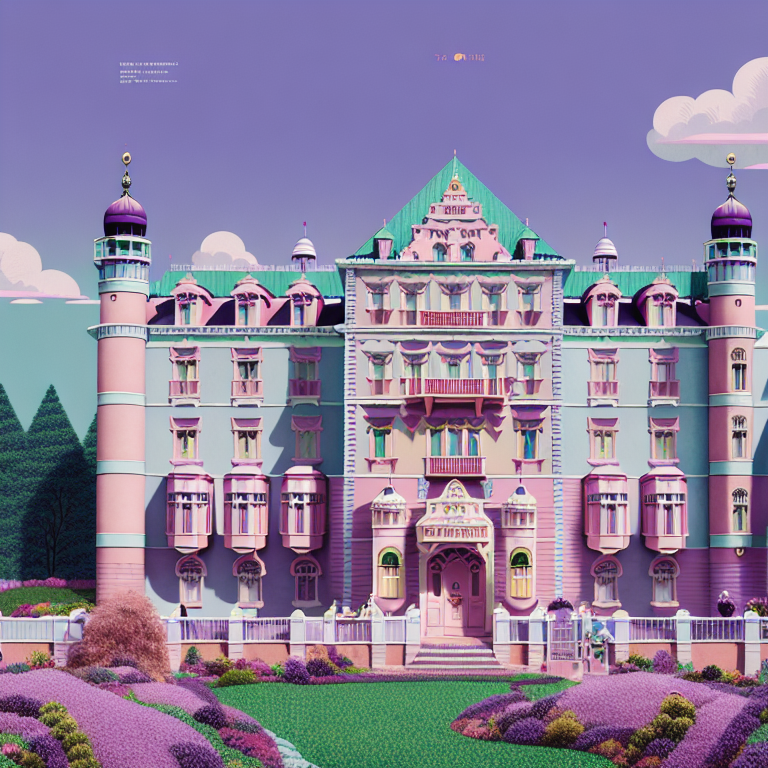
When you watch Wes Anderson’s “The Grand Budapest Hotel,” you might notice the beautiful colors, the symmetrical shots, and the charming story. But if you look closer, you’ll find a treasure trove of subtle humor that makes this movie even more delightful. This film is packed with clever jokes and funny moments that you might miss on your first viewing. Let’s explore some of these hidden gems that make “The Grand Budapest Hotel” such a joy to watch again and again.
The Art of Visual Comedy
Wes Anderson is famous for his unique visual style, and he uses it brilliantly to create humor in “The Grand Budapest Hotel.” One of the funniest things about the movie is how Anderson uses symmetry to set up visual jokes. For example, when Monsieur Gustave is standing perfectly centered in a doorway, it creates a funny contrast with the chaos happening around him. This use of symmetry isn’t just pretty to look at – it’s a clever way to highlight the absurdity of the situations the characters find themselves in.
Another visual gag that you might not notice right away is the way Anderson uses miniature models and stop-motion animation. These techniques add a layer of whimsy to the film that makes even serious moments feel a bit silly. When you see a tiny model of the hotel or a stop-motion ski chase, it’s hard not to smile at the playful creativity on display.
The Power of Wordplay
The dialogue in “The Grand Budapest Hotel” is full of witty wordplay that adds to the film’s humor. Wes Anderson has a knack for creating funny phrases and clever turns of phrase that make you chuckle. For instance, when Gustave describes his signature scent as smelling “like a baby’s burp after a tall glass of milk,” it’s both absurd and oddly specific in a way that’s hilarious.
The characters in the movie also have a habit of using overly formal language in ridiculous situations, which creates a funny contrast. When Gustave is in the middle of a chaotic prison break and still manages to say things like “I’ve never seen such a beautiful, ugly building,” it shows how the film uses language to create humor in unexpected ways.
Physical Comedy in a Refined Setting
While “The Grand Budapest Hotel” might seem like a sophisticated film, it actually has a lot of physical comedy hidden within its refined setting. The contrast between the elegant hotel and the slapstick situations that occur there is part of what makes the humor so effective. For example, when Gustave is trying to escape from prison and ends up in a series of increasingly absurd situations, it’s funny because it’s so unexpected in such a posh environment.
Another great example of physical comedy is the way characters move and interact with their surroundings. The exaggerated gestures and precise movements of the actors, combined with Anderson’s meticulous framing, create moments of humor that are both subtle and effective. When characters bump into each other or struggle with props, it adds a layer of comedy that enhances the overall experience of the film.
The Humor of Historical Inaccuracies
“The Grand Budapest Hotel” is set in a fictional version of Europe between the two World Wars, but Anderson plays fast and loose with historical accuracy in a way that adds to the film’s humor. The movie creates its own version of history that’s both familiar and absurd, allowing for jokes that wouldn’t work in a more realistic setting.
For instance, the film’s portrayal of the military and government officials is intentionally exaggerated and silly. The soldiers wear bright pink uniforms, and the officials are often portrayed as bumbling and incompetent. This playful approach to history creates a world where anything can happen, and the humor comes from the unexpected twists and turns of the plot.
Character-Driven Comedy
The characters in “The Grand Budapest Hotel” are a big part of what makes the film so funny. Each character has their own quirks and personality traits that contribute to the overall humor of the movie. Gustave, with his over-the-top manners and obsession with luxury, is a constant source of amusement. His interactions with other characters, especially the gruff Zero, create a comedy of contrasts that’s both charming and hilarious.
The supporting characters also add to the film’s humor in their own ways. From the angry chef who communicates through angry grunts to the wealthy widow who’s obsessed with her dead husband’s paintings, each character brings something unique to the table. The way these characters bounce off each other and react to the absurd situations they find themselves in is a big part of what makes the movie so entertaining.
The Joy of Running Gags
One of the things that makes “The Grand Budapest Hotel” so rewatchable is the presence of running gags throughout the film. These are jokes that keep popping up in different forms, getting funnier each time you notice them. For example, the recurring mention of Gustave’s “creamy skin” becomes funnier each time it’s brought up, especially as the situation becomes more dire.
Another great running gag is the way characters keep mentioning how much they love the Grand Budapest Hotel, even as it falls into disrepair. This contrast between the characters’ nostalgia and the reality of the hotel’s condition creates a subtle humor that builds throughout the film. These running gags reward attentive viewers and make the movie more enjoyable with each viewing.
The Subtlety of Situational Irony
“The Grand Budapest Hotel” is full of situational irony that adds depth to its humor. This is when the opposite of what you expect to happen actually occurs, creating a funny and often surprising result. For example, the film’s climax involves a high-speed chase on skis, which is both thrilling and absurd at the same time. The fact that such a serious moment is played out in such a ridiculous way is a perfect example of the film’s ironic humor.
Another instance of situational irony is the way the characters’ plans often backfire in unexpected ways. When Gustave tries to use his charm to get out of a difficult situation, it often leads to even more trouble. This irony adds a layer of complexity to the humor, making the film rewarding for viewers who appreciate subtle comedy.
The Art of Timing and Pacing
Wes Anderson is a master of timing and pacing, and this is especially evident in the humor of “The Grand Budapest Hotel.” The way scenes are edited and the timing of jokes is crucial to their effectiveness. Anderson often uses quick cuts and precise timing to deliver punchlines, creating a rhythm to the humor that keeps viewers engaged.
The pacing of the film also contributes to its humor. The way the story moves quickly from one absurd situation to another creates a sense of momentum that makes the jokes land even better. When you’re caught up in the fast-paced action, the subtle humor woven throughout becomes even more effective.
Frequently Asked Questions (FAQ)
What makes “The Grand Budapest Hotel” different from other Wes Anderson films in terms of humor?
“The Grand Budapest Hotel” stands out for its blend of visual comedy, wordplay, and situational irony. While all of Anderson’s films have humor, this one combines these elements in a particularly effective way, creating a unique comedic experience.
Are there any hidden jokes that only appear in the background?
Yes! Anderson often includes background details that add to the humor. For example, in the prison scenes, you might notice funny posters or signs that add to the absurdity of the situation. These details reward viewers who pay close attention to the entire frame.
How does the film’s setting contribute to its humor?
The fictional European setting allows Anderson to play with historical elements in a way that creates humor. By mixing real historical periods with fictional elements, the film creates a world where the unexpected can happen, leading to many of the movie’s funniest moments.
Is the humor in “The Grand Budapest Hotel” suitable for all ages?
While the film is rated R for language and some adult themes, much of its humor is clever and sophisticated rather than crude. Older children and teenagers who appreciate wordplay and visual comedy might enjoy it, but parents should be aware of the mature content.
How does the film’s structure affect its comedic timing?
The film’s non-linear structure, with its multiple time periods and narrators, creates opportunities for ironic humor and unexpected twists. This structure allows Anderson to set up jokes that pay off later in surprising ways, enhancing the overall comedic experience.
Conclusion
“The Grand Budapest Hotel” is a treasure trove of subtle humor that rewards multiple viewings. From visual gags and clever wordplay to situational irony and running jokes, the film is packed with comedic moments that you might miss on your first watch. Wes Anderson’s unique style and attention to detail create a world where humor can be found in the smallest of moments, making the movie a joy to revisit again and again. Whether you’re a fan of sophisticated wordplay or enjoy visual slapstick, there’s something in this film for everyone to appreciate and laugh at. So next time you watch “The Grand Budapest Hotel,” keep an eye out for these subtle jokes – you might just find yourself smiling at the clever details you never noticed before.
Leave a Reply