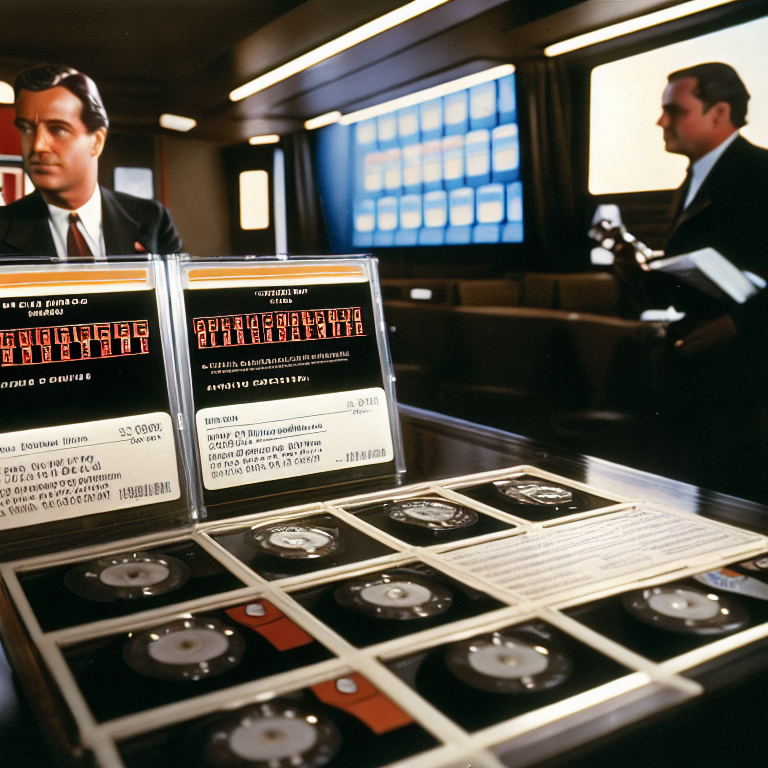
Hollywood movies come with age ratings that tell us who can watch them. These ratings help parents know what’s in a movie before their kids see it. But have you ever wondered how these ratings really work? The system has some secrets that most people don’t know about.
The movie rating system in the United States is run by the Motion Picture Association. They give movies ratings like G, PG, PG-13, R, and NC-17. Each rating has rules about what kind of content is allowed. But the process behind these ratings is not as simple as you might think.
The people who decide ratings are part of a special group called the Classification and Rating Administration. This group meets in secret to watch movies and decide their ratings. They don’t make their meetings public, and they don’t explain exactly why they give certain ratings. This secrecy has led to many questions about fairness and consistency.
How Ratings Actually Get Decided
The rating process starts when a movie studio submits their film to the rating board. A group of 8 to 13 people watch the movie together in a private screening room. These viewers come from different backgrounds but they all have one thing in common – they’re parents with kids under 17 years old.
After watching the movie, the group discusses what they saw. They look at things like violence, language, sexual content, and drug use. Then they vote on what rating the movie should get. The rating needs majority approval to be assigned. If the studio doesn’t like the rating, they can appeal or make changes to the movie and resubmit it.
The guidelines for each rating are not written in stone. The board has some flexibility in how they apply the rules. This means that two movies with similar content might get different ratings depending on the specific board members watching them. This inconsistency is one of the biggest complaints about the system.
The Money Factor in Ratings
Movie ratings have a huge impact on how much money a film can make. A movie with an R rating can’t be seen by anyone under 17 without a parent. This cuts out a big part of the audience. That’s why studios often try hard to get a PG-13 rating instead of an R rating.
Sometimes studios will actually change their movies to avoid an R rating. They might cut scenes or change dialogue. This happens because R-rated movies typically make less money at the box office. The rating system therefore has a big influence on what ends up on screen.
The NC-17 rating is especially problematic for studios. Many theaters won’t show NC-17 movies, and some newspapers won’t run ads for them. This makes the NC-17 rating almost like a death sentence for a film’s commercial prospects. As a result, very few movies actually receive this rating.
Violence vs. Sex: The Double Standard
One of the most interesting secrets about movie ratings is how they treat violence compared to sexual content. Generally speaking, movies can show a lot more violence than sexual content before getting an R rating. This has been true for decades and reflects cultural attitudes about what’s acceptable.
A movie can show people getting shot or beaten up and still get a PG-13 rating. But if it shows too much skin or sexual activity, it’s more likely to get an R rating. This double standard has been criticized by many filmmakers and cultural critics. They argue that this sends the wrong message to young viewers.
Foreign films often face different standards when it comes to sexual content. Movies from Europe or other countries that show nudity or sexual themes might get harsher ratings in the US than they do in their home countries. This cultural difference affects which international films succeed in the American market.
The Appeals Process
When a studio disagrees with a rating, they can go through an appeals process. This involves presenting their case to a different panel of viewers. The appeals board includes movie theater owners and distributors who have a financial stake in how movies are rated.
During an appeal, the studio can present arguments about why their movie deserves a different rating. They might point to similar movies that got different ratings. Sometimes this works, and the rating gets changed. Other times, the original rating stands.
The appeals process is private, just like the initial rating decision. This means the public never knows what arguments were made or why a decision was changed. This lack of transparency continues to be a point of controversy in the film industry.
Independent Films vs. Studio Films
Independent films often face different treatment than big studio productions when it comes to ratings. Some filmmakers have complained that the same content gets stricter ratings when it appears in small, independent movies compared to major studio releases.
This perception of unfairness has led to calls for more transparency in the rating process. Independent filmmakers argue that they don’t have the resources to fight ratings decisions the way major studios do. This can limit the audience for important independent films that tackle challenging subjects.
The rating board has denied that they treat independent films differently. They say they apply the same standards to all movies. But the perception of bias remains, especially among independent filmmakers who feel their work is judged more harshly.
The International Rating Puzzle
Movie ratings work differently in other countries. What gets a PG rating in the US might get a 12 rating in the UK or a G rating in Australia. This creates challenges for studios releasing movies globally.
Some countries have much stricter rules about certain types of content. For example, many European countries are more relaxed about sexual content but stricter about violence. Asian countries might have different standards for supernatural themes or religious content.
Studios sometimes create different versions of movies for different markets. They might cut scenes for countries with stricter standards. This means that the movie you see in the US might be different from the one shown in other countries, even with the same rating.
Technology Changing the Game
Streaming services have started to change how we think about movie ratings. When you watch a movie on Netflix or Hulu, you don’t see the same prominent rating as you would in a theater. The platforms have their own content warnings and age restrictions.
This shift to streaming has led some to question whether traditional movie ratings are still necessary. When parents can read detailed content descriptions and use parental controls, does the simple G, PG, PG-13 system still serve its purpose?
Some streaming services are developing more detailed content classifications. Instead of just an age rating, they provide specific information about what type of content is in a movie. This gives viewers more information to make decisions about what to watch.
The Future of Movie Ratings
The movie rating system has been around for over 50 years, but it’s facing new challenges. With content available everywhere from theaters to phones, the old system might need updating. Some experts suggest moving to a more detailed content description system rather than simple age ratings.
There’s also growing pressure for more transparency in how ratings are decided. Filmmakers, parents, and cultural critics all want to understand the process better. Some suggest making the rating board’s meetings public or at least explaining their decisions more clearly.
Despite these challenges, the rating system continues to play an important role in American media. Parents still rely on these ratings to make decisions about what their children watch. The system may evolve, but it’s likely to remain a part of how we classify and consume media for years to come.
Frequently Asked Questions (FAQ)
What do the different movie ratings mean?
G means General Audiences – suitable for all ages. PG suggests Parental Guidance – some material might not be suitable for young children. PG-13 means Parents Strongly Cautioned – some material might be inappropriate for children under 13. R means Restricted – under 17 requires accompanying parent or adult guardian. NC-17 means No One 17 and Under Admitted.
Who decides movie ratings?
The Classification and Rating Administration, part of the Motion Picture Association, decides movie ratings. The group consists of 8-13 parents with children under 17 who watch each movie and vote on the appropriate rating.
Can movie ratings be changed?
Yes, studios can appeal a rating decision if they disagree with it. They can also choose to edit their movie and resubmit it for a new rating. The appeals process involves a different panel of viewers than the original rating decision.
Why do some movies seem to get different ratings for similar content?
The rating system has some flexibility, and different board members might interpret guidelines differently. There’s also evidence of a double standard where violence often gets more lenient treatment than sexual content. Independent films sometimes appear to face stricter standards than studio films.
How do movie ratings affect box office performance?
Ratings significantly impact box office potential. G, PG, and PG-13 movies can be seen by wider audiences, including teenagers who buy many movie tickets. R-rated movies exclude viewers under 17 without parents, and NC-17 ratings can prevent movies from being shown in many theaters entirely.
Do other countries use the same rating system?
No, different countries have their own rating systems with different standards. What gets a PG-13 rating in the US might get a 12 rating in the UK or a different rating entirely in countries like Australia, Germany, or Japan. Studios often make different versions of movies for international markets.
Conclusion
The secret world of movie ratings is more complex than most people realize. Behind those simple letters lies a system that affects what movies get made, how they’re marketed, and who can watch them. While the system has its flaws and critics, it continues to serve an important function in helping viewers make informed choices about media consumption.
As technology changes how we watch movies and cultural attitudes evolve, the rating system will likely need to adapt. But for now, those little rating cards at the beginning of movies remain a powerful force in Hollywood, shaping everything from creative decisions to box office results. Understanding how this system really works gives us a new perspective on the movies we watch and the industry that creates them.
Leave a Reply