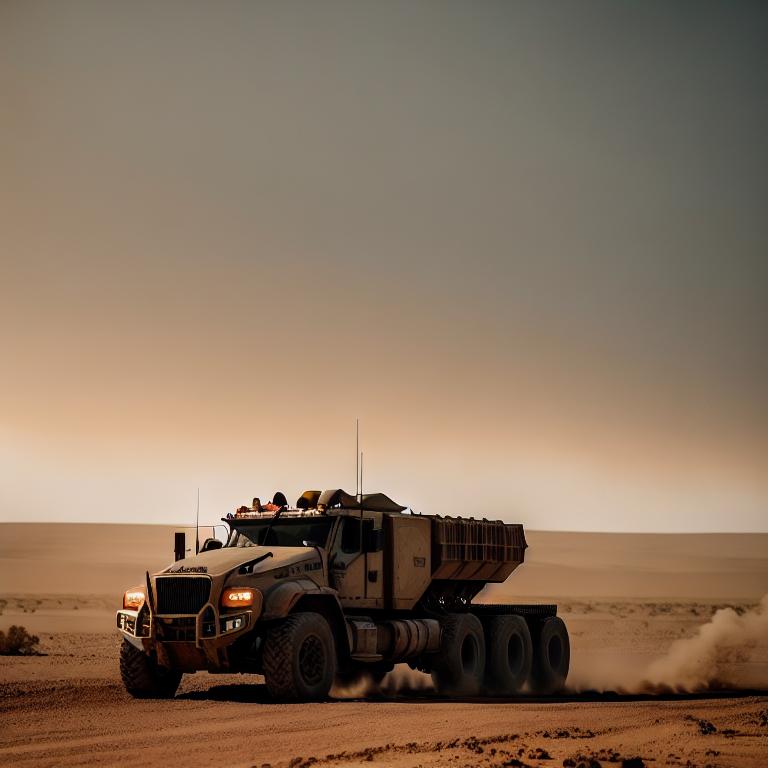
When most people think about Mad Max: Fury Road, they picture insane car chases, spectacular explosions, and wild costumes in a post-apocalyptic desert. And yes, the movie absolutely delivers on all that action. But beneath the roaring engines and spectacular stunts lies something deeper and more revolutionary – a story that challenges how we think about heroes, power, and gender roles in action movies.
This 2015 blockbuster, directed by George Miller, became much more than just another sequel in the Mad Max franchise. It sparked conversations about feminism in action films and showed that you can have intense, thrilling entertainment while also telling a story centered on women’s strength, agency, and survival. Let’s explore why this movie stands as a true feminist masterpiece and how it changed the game for action cinema.
Furiosa: The Hero We Didn’t Expect
The heart of Fury Road beats with Imperator Furiosa, played brilliantly by Charlize Theron. Right from her first appearance, she commands attention – not through exposition or backstory, but through action and presence. She’s missing part of her arm, she’s got a shaved head, and she wears combat gear that’s practical rather than sexualized. This isn’t your typical female action hero.
What makes Furiosa revolutionary is that she’s never defined by her relationships to men or by traditional feminine qualities. She’s a warrior, a leader, and a survivor who takes charge of her destiny. The movie doesn’t waste time explaining why she’s strong or making excuses for her capabilities. She simply is who she is, and everyone in the story accepts that without question.
Her journey isn’t about finding love or proving herself to anyone. Instead, it’s about redemption and freedom – themes that resonate universally but are particularly powerful when centered on a female character in an action context. Furiosa drives the entire plot forward, making decisions that affect everyone around her. She’s not a sidekick or a love interest; she’s the protagonist, with Max serving more as her ally than her savior.
The Wives: More Than Damsel in Distress
The five wives – Angharad, Capable, Toast, Cheedo, and Dag – could have easily been written as helpless victims who need saving. After all, they’re escaping sexual slavery under the brutal warlord Immortan Joe. But Fury Road takes a different approach that elevates these characters beyond typical action movie tropes.
Each wife has distinct personality traits and contributes meaningfully to their escape and survival. They’re not interchangeable beauties waiting to be rescued. Angharad is pregnant and fights through her condition. Capable shows emotional intelligence and compassion, even toward their enemy Nux. Toast demonstrates strategic thinking and weapon skills. Cheedo grapples with fear but ultimately finds courage. Dag provides sharp commentary and perspective.
Most importantly, they’re active participants in their liberation rather than passive recipients of rescue. They make choices, take risks, and support each other through trauma. The film shows their scars – both physical and emotional – without exploiting their suffering for cheap drama. Their journey toward freedom becomes a collective effort where they save themselves as much as they’re saved by others.
Breaking the Male Savior Complex
Traditional action movies often follow a pattern where male heroes rescue female characters who exist mainly to be saved. Fury Road deliberately subverts this expectation in several clever ways. Max, the titular character, actually spends much of the movie as a passenger in his own story – literally handcuffed to the front of a car for a significant portion.
When Max and Furiosa first meet, there’s potential for the typical “hero saves the helpless woman” dynamic. Instead, they form an alliance based on mutual need and respect. Furiosa remains the primary driver of their mission, with Max contributing as an equal partner rather than a superior savior. Their relationship develops through cooperation rather than rescue.
The wives also reject the idea that they need male protection. When Max suggests he could help them escape, Furiosa immediately asserts that they had a plan before he arrived. The movie consistently shows women solving their own problems, defending themselves, and making strategic decisions. Even the male characters who join their cause – like Nux – do so by rejecting toxic masculinity and embracing more cooperative, respectful approaches.
Visual Storytelling That Speaks Volumes
Fury Road demonstrates feminist principles not just through its plot and characters, but through its visual language. The costume design is particularly noteworthy. The wives wear sheer, white fabric that represents their purity and value to Immortan Joe, but as they journey toward freedom, their clothing becomes more practical and less sexualized. They’re never shown in exploitative poses or gratuitous nudity.
Furiosa’s costume design emphasizes function over form. She wears armor that protects her, boots that allow her to move and fight effectively, and her missing arm is never hidden or treated as a weakness. The film treats her physical difference matter-of-factly, showing that disability doesn’t prevent someone from being a capable leader and warrior.
The color palette also reinforces the film’s themes. The wives’ white costumes contrast sharply with the grim, polluted world around them, symbolizing hope and innocence. As they move toward freedom, the visual storytelling supports their journey without reducing them to objects of the male gaze. Even in the most intense action sequences, the camera focuses on their agency and determination rather than their bodies.
Female Relationships That Drive the Plot
One of the most powerful aspects of Fury Road is how it centers relationships between women without making them secondary to male characters. The bond between Furiosa and the wives, the solidarity among the wives themselves, and the connection to the Vuvalini (the matriarchal society Furiosa comes from) all drive the narrative forward.
These relationships aren’t defined by competition or jealousy – common pitfalls in how female characters are often written. Instead, they’re characterized by mutual support, shared trauma, and collective strength. The wives protect each other, share resources, and make decisions together. Furiosa becomes their protector not because she’s a man substituting for absent male authority, but because she understands their struggle and shares their goal of freedom.
The Vuvalini represent an entire society of women who are skilled, capable, and independent. They’re not nurturing earth mothers or wise old crones – they’re warriors, mechanics, and leaders who have survived in a brutal world through their own strength and intelligence. This portrayal challenges the idea that female power must be soft or maternal rather than fierce and tactical.
Themes of Reproductive Freedom and Bodily Autonomy
At its core, Fury Road is about women reclaiming control over their bodies and reproductive rights – themes that resonate strongly with contemporary feminist discourse. The wives are literally valued by Immortan Joe for their ability to produce healthy offspring, reducing them to their reproductive capacity. Their escape represents a fight for bodily autonomy that extends far beyond the film’s post-apocalyptic setting.
The movie handles these themes without being preachy or heavy-handed. The pregnancy of Angharad becomes a source of strength rather than weakness – she continues fighting and making decisions throughout their journey. The film shows how reproductive control is fundamental to personal freedom, and how systems of oppression often center on controlling women’s bodies.
This aspect of the story connects to real-world feminist struggles for reproductive rights, healthcare access, and freedom from sexual exploitation. By framing these issues within an action movie context, Fury Road makes feminist themes accessible to audiences who might not engage with more overtly political content. It shows that stories about women’s autonomy can be exciting, visually stunning, and commercially successful.
Action That Serves the Story
Many action movies use spectacular sequences as empty spectacle, but every action scene in Fury Road serves the story and themes. The car chases aren’t just cool set pieces – they represent the pursuit of freedom and the obstacles that stand in the way. When Furiosa fights, it’s always in service of her mission and her values, not for gratuitous violence.
The film’s approach to action also challenges traditional gender expectations. Women engage in combat, drive vehicles, and make tactical decisions throughout the movie. There’s no separation between “female” and “male” types of action – everyone fights, everyone drives, everyone contributes according to their skills rather than their gender.
This egalitarian approach to action extends to how violence is portrayed. While the movie is intense and sometimes brutal, it doesn’t sexualize female suffering or use women’s pain as motivation for male characters. The violence serves the story’s themes about oppression, resistance, and liberation rather than existing purely for shock value.
Cultural Impact and Industry Influence
Fury Road’s success demonstrated that feminist action films could be both critically acclaimed and commercially successful. It won six Academy Awards and influenced how studios approach female-led action projects. The film showed that audiences would embrace complex female protagonists and that stories centered on women’s experiences could have universal appeal.
This impact extended beyond just representation. Fury Road proved that you could make a blockbuster action film with strong feminist themes without compromising on entertainment value. It challenged the assumption that action movies need to cater primarily to male audiences or rely on traditional gender roles to succeed.
The film’s influence can be seen in subsequent action movies that feature more complex female characters and challenge traditional gender dynamics. It helped create space for films like Wonder Woman, Captain Marvel, and other female-led action projects that might not have been greenlit without Fury Road’s demonstrated success.
The Broader Conversation About Feminism in Film
Fury Road arrived during a time when conversations about gender representation in Hollywood were gaining momentum. The film became a touchstone in discussions about the male gaze, female representation, and what feminist storytelling looks like in mainstream entertainment. It showed that you could make a film that appeals to everyone while still centering women’s experiences and perspectives.
The movie also sparked debates about what constitutes feminist art and who gets to define those terms. Some critics argued that Fury Road wasn’t feminist enough or that its feminism was accidental rather than intentional. These conversations, while sometimes contentious, helped advance understanding of how gender representation works in film and what audiences expect from modern storytelling.
What’s clear is that Fury Road expanded the possibilities for what action movies could be and who they could be for. It demonstrated that feminist principles – like equality, autonomy, and mutual respect – could enhance rather than detract from entertainment value. The film showed that stories about women’s liberation could be thrilling, beautiful, and meaningful all at once.
Frequently Asked Questions
Is Mad Max: Fury Road really a feminist movie if it was directed by a man?
Absolutely. Feminism isn’t about who creates art but about what messages and values the art promotes. George Miller crafted a story centered on female strength, agency, and liberation. The film’s feminist qualities come from its narrative choices, character development, and thematic focus rather than the gender of its director. Many male filmmakers have created powerful feminist works, just as many female creators make content that doesn’t align with feminist principles.
How does Fury Road compare to other female-led action movies?
Fury Road stands out because it doesn’t treat its female characters as exceptions in a male-dominated world or make their gender the central focus of their characterization. Unlike some female-led action films that feel like male movies with women substituted in, Fury Road creates a story where gender dynamics are integral to the plot but don’t define every character interaction. The film also avoids common pitfalls like excessive sexualization or making female strength dependent on male approval.
What makes Furiosa such a compelling character beyond her gender?
Furiosa works as a character because she’s written and performed with depth and complexity. She has clear motivations, makes difficult choices, shows vulnerability without weakness, and demonstrates leadership through competence rather than authority. Her missing arm, her past trauma, and her determination all contribute to a fully realized character who happens to be female rather than a “female character” defined by stereotypes about women.
Did the wives need male characters like Max and Nux to succeed?
While Max and Nux contribute to the group’s survival, the film makes clear that the wives and Furiosa were already on a path to freedom before they arrived. Max becomes an ally rather than a savior, and Nux’s transformation shows how men can support feminist goals by rejecting toxic masculinity. The story emphasizes collective effort over individual heroism, regardless of gender.
How does the film handle violence against women?
Fury Road addresses the reality of violence against women – particularly sexual violence and reproductive exploitation – without graphically depicting it on screen. The film shows the consequences and trauma of this violence while focusing on the characters’ resistance and recovery rather than their suffering. This approach respects the seriousness of these issues while avoiding exploitation for entertainment purposes.
Why is the film’s approach to gender considered revolutionary for action movies?
Most action films either exclude women from meaningful roles, reduce them to love interests or victims, or create “strong female characters” who are basically men with breasts. Fury Road does something different by creating female characters with distinct personalities, strengths, and arcs while also exploring how gender affects their experiences in a patriarchal society. It shows that action films can be both entertaining and thoughtful about gender dynamics.
Conclusion
Mad Max: Fury Road succeeds as a feminist masterpiece because it proves that you don’t have to choose between thrilling entertainment and meaningful representation. The film delivers spectacular action, stunning visuals, and compelling characters while also advancing feminist themes about autonomy, equality, and collective liberation. It challenges traditional action movie formulas without feeling preachy or sacrificing entertainment value.
What makes Fury Road truly revolutionary is how naturally it integrates feminist principles into its storytelling. The women drive the plot, make the tough decisions, and ultimately determine their own fates. The male characters who support them do so by embracing cooperation over domination. The film shows a world where everyone’s contributions matter regardless of gender, and where freedom is worth fighting for on multiple levels.
More than just a great action movie or a successful experiment in feminist storytelling, Fury Road represents what mainstream cinema can achieve when it takes risks and trusts audiences to embrace more complex, inclusive narratives. It demonstrated that stories centered on women’s experiences could captivate global audiences and earn critical acclaim. In doing so, it helped pave the way for a new generation of action films that recognize women as full participants in stories of heroism, survival, and liberation.
The legacy of Fury Road extends beyond its immediate impact. It showed filmmakers that feminist storytelling isn’t a limitation but an opportunity for richer, more interesting narratives. It proved to studios that audiences would embrace female-led action films. And most importantly, it gave viewers – especially women and girls – action heroes who reflect their own strength, complexity, and capacity for leadership. That’s why this roaring, thundering masterpiece deserves its place as a landmark in both action cinema and feminist storytelling.
Leave a Reply