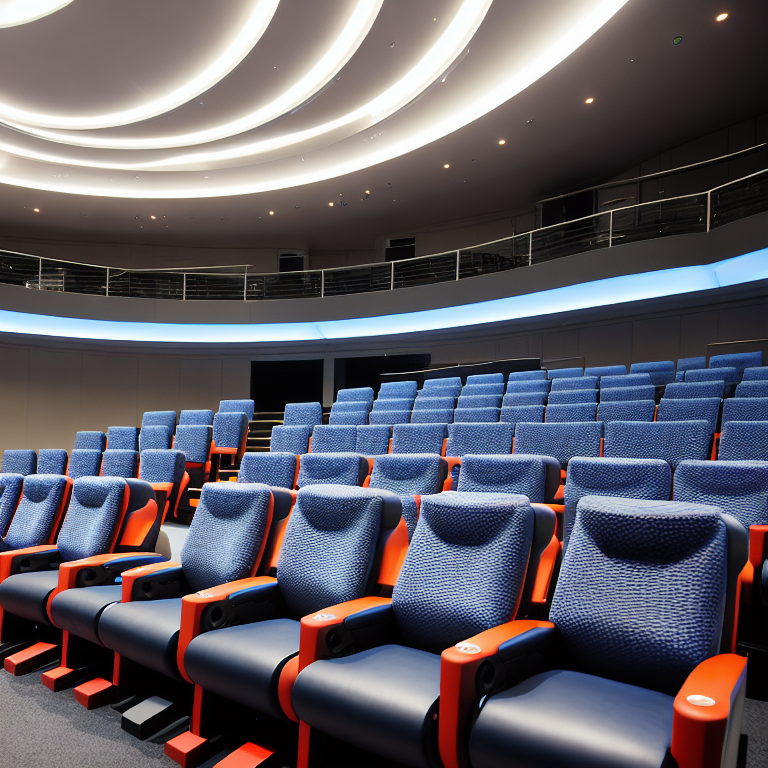
Imagine sitting in a theater seat and suddenly finding yourself inside the movie itself. That’s exactly what virtual reality movie theaters are promising to deliver. This new technology is changing how we watch films, making the experience more personal and exciting than ever before.
VR movie theaters use special headsets that let you see a 360-degree view of the movie world. Instead of just watching the action on a flat screen, you can look around and feel like you’re actually there. Some systems even let you walk around or interact with objects in the virtual space.
The technology works by using high-resolution displays mounted in headsets, combined with motion tracking sensors. These sensors follow your head movements so the picture changes as you look around. Advanced VR theaters also include spatial audio systems that make sounds come from all directions, just like in real life.
Movie studios are starting to create films specifically for VR theaters. These aren’t just regular movies shown on VR headsets – they’re designed from the ground up to take advantage of the technology. Directors can place viewers right in the middle of the action, whether that’s standing on a battlefield or floating through space.
The cost of VR theater equipment has dropped significantly in recent years, making it more accessible for theater owners. A complete VR theater system now costs about the same as a traditional premium large-format screen, but takes up much less space. This makes it easier for smaller theaters to adopt the technology.
Several major theater chains have already started testing VR experiences. AMC Theatres has partnered with Dreamscape Immersive to open VR “location-based entertainment” centers in shopping malls. These venues offer multiplayer VR experiences where groups of friends can explore virtual worlds together.
The COVID-19 pandemic actually helped speed up VR theater development. With social distancing requirements, VR provided a way for people to enjoy group entertainment while maintaining safe distances. Some theaters found that VR experiences could be enjoyed while seated several feet apart.
Content creators are finding new ways to tell stories in VR. Unlike traditional films where the director controls exactly what you see, VR movies let viewers choose where to look. This creates a more personalized experience but also presents new challenges for filmmakers who must now consider multiple viewing angles.
Some VR theaters are experimenting with adding physical effects to enhance the experience. This might include rumble seats that vibrate during action scenes, wind machines that blow air when characters are flying, or even scent dispensers that release smells matching the on-screen action.
The technology is also being used for more than just entertainment. Some theaters are offering educational VR experiences where students can take virtual field trips to historical sites or explore the human body from the inside. This has proven especially valuable for schools with limited field trip budgets.
Privacy concerns have emerged as VR theaters become more popular. The headsets collect data about where viewers are looking and how they move, which raises questions about data collection and usage. Theater companies are working to address these concerns while still providing personalized experiences.
The rise of VR in theaters coincides with growing competition from streaming services. As more people watch movies at home, theaters need to offer experiences that can’t be replicated on a living room couch. VR provides exactly that kind of unique, can’t-get-at-home experience.
Some filmmakers are concerned that VR might change the art of cinema too much. Traditional filmmaking relies heavily on controlling the viewer’s perspective through careful camera placement and editing. VR removes much of that control, which some directors see as a threat to their artistic vision.
Technical challenges remain for widespread VR theater adoption. The headsets need regular cleaning between uses, the wireless systems must handle many devices at once without interference, and the content must be compelling enough to justify the higher ticket prices typically charged for VR experiences.
Despite these challenges, the market for VR entertainment is growing rapidly. Industry analysts predict the location-based VR market will reach $1.5 billion by 2025, with movie theaters being a significant part of that growth. This suggests that VR could become a standard offering at many theaters within the next few years.
The environmental impact of VR theaters is also worth considering. While they require electricity to run, they often use less energy than traditional large-format screens. Additionally, virtual experiences can reduce the need for physical travel, potentially lowering the carbon footprint of entertainment.
As the technology continues to improve, we can expect to see even more innovative uses of VR in theaters. Future developments might include haptic feedback suits that let you feel virtual objects, brain-computer interfaces that respond to your thoughts, or social VR experiences that connect audiences across different locations.
Leave a Reply